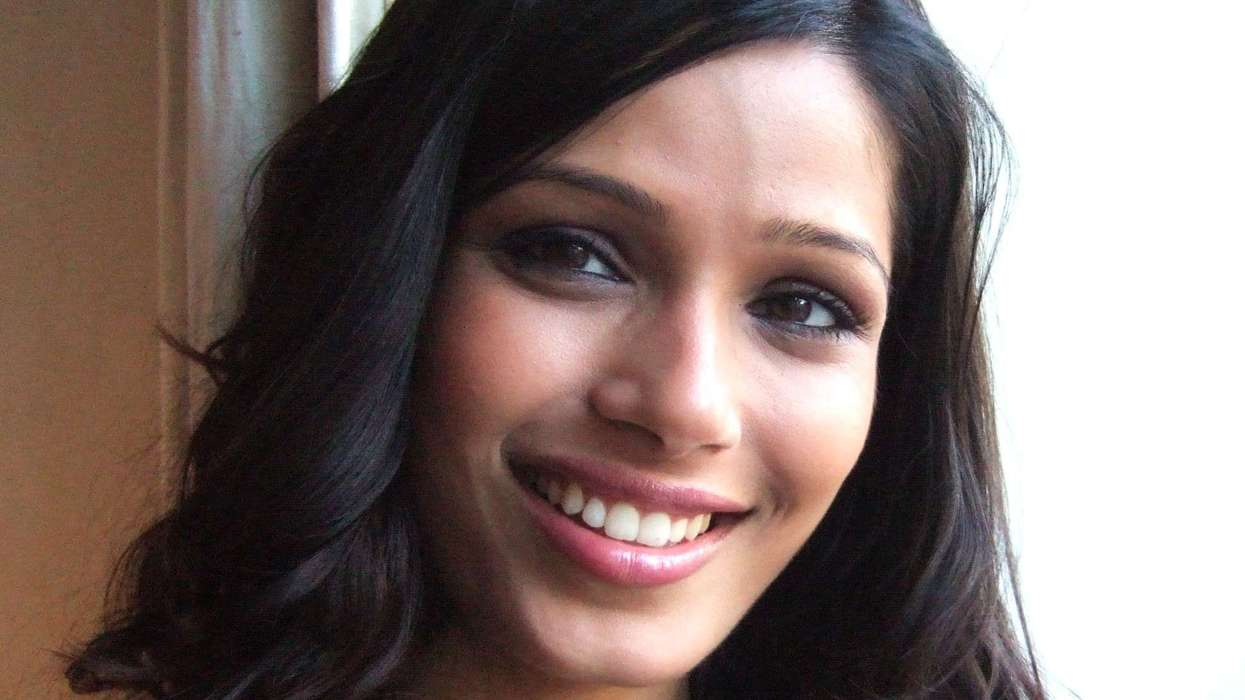

THE first time I met Freida Pinto was in December 2008 at the Soho Hotel in London, when she was 24 years old. She and Dev Patel, her 18-year-old co-star, were promoting Slumdog Millionaire.
Freida told me she was a simple Bombay (Mumbai) girl who caught auto-rickshaws. She showed “my Bombay” to Dev, a boy from Harrow in north London, when he first arrived in India.
“I took him all over south Bombay, including the Taj – tea at the Shamiana – Colaba Causeway, Leopold’s Café, Mahesh Lunch Home,” she said.
Freida, whose parents were Catholics from Mangalore, attended St Xavier’s College before becoming a model. She heard the news of the terrorist attacks on Mumbai when she was returning home from Los Angeles. “Bombay means everything to me. I was crying non-stop. It literally felt like people were burning my house – and to think we shot the dance sequence at VT station.”
She sensed her old, carefree life was about to change. “I still get an auto-rickshaw. If this so-called fame hits me, it’s going to be so difficult to travel by train.”
There was speculation that Slumdog Millionaire would win an Oscar. I told Freida that if that happened, I wouldn’t have access even to her secretary’s secretary because she would become a prisoner of her PR people. That is more or less what came to pass.
The following February, I went to Los Angeles for the Oscars.
When I wondered if Slumdog Millionaire would pick up an Oscar, TV producer Ashok Amritraj, who knew how things worked in Hollywood, assured me: “Slumdog will sweep.”
And so indeed it did.
I was up till dawn filing my copy because Slumdog Millionaire picked up eight Oscars: best picture (Christian Colson, producer); best director (Danny Boyle); best adapted screenplay (Simon Beaufoy); best cinematography (Anthony Dod Mantle); best film editing (Chris Dickens); best original score (AR Rahman); best original song (Jai Ho, music by AR Rahman, lyrics by Gulzar); and best sound mixing (Resul Pookutty, Richard Pryke and Ian Tapp).
Last Sunday (18), Freida turned 42, according to the birthday column in the Times.
In the 18 years since I first met her, she has appeared in a number of films, including Woody Allen’s You Will Meet a Tall Dark Stranger and Trishna, Michael Winterbottom’s adaptation of Thomas Hardy’s novel Tess of the d’Urbervilles.
In 2011, she went to the Cannes Film Festival as an ambassador for L’Oréal. She moved away from acting when she felt stereotyped as “this exotic doll from India”.
Life is quieter these days. She has settled in Los Angeles with her Vietnamese-American husband, Cory Tran, a photographer and content producer, and their son, Rumi-Ray.
The world has changed beyond recognition for her since Loveleen Tandan, the associate director of Slumdog Millionaire, picked her from the modelling circuit in Mumbai and cast her as Latika, the love interest of Jamal Malik (Dev Patel). She was depicted as a simple desi girl in a salwar kameez and yellow dupatta.
Sympathy is not antisemitism
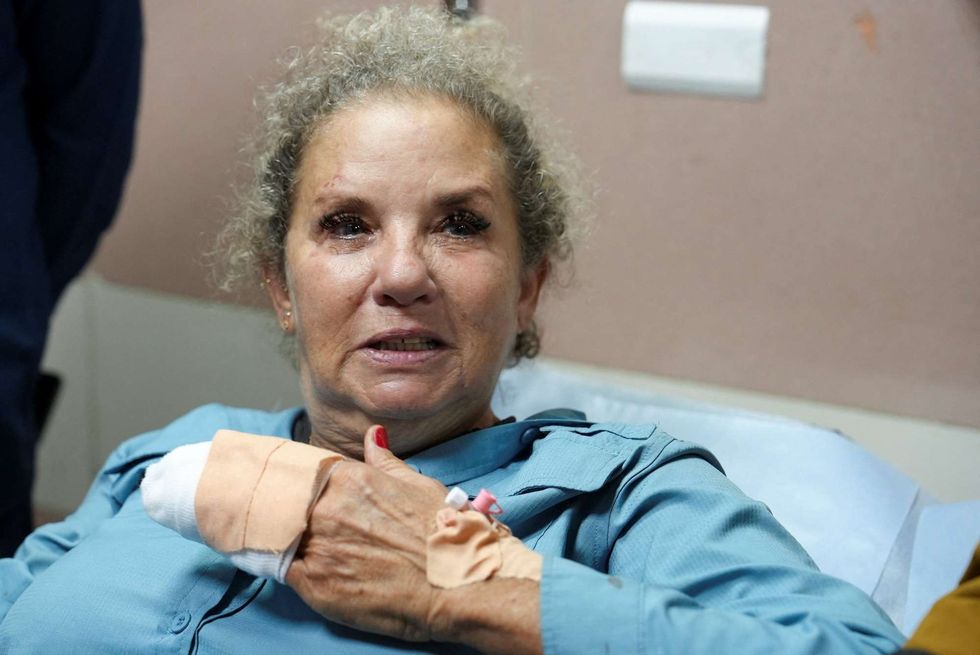 Heidi Levine at a hospital after an attack by Israeli settlers in the West Bank last Friday (16)Agencies
MY GUESS is that the majority of people in Britain generally support the cause of the Palestinian people. This does not make them antisemitic. People are just confused by the government’s decision to decree that Palestine Action is a proscribed terrorist organisation.
Take, for example, the author and journalist Sarah Helm, who happens to be married to Jonathan Powell, the government’s national security adviser.
She wrote on the social media platform X: “God help us authors who support Palestine and Palestine Action.” When middle-class people in the media start questioning government legislation, it is a sign that the law is not going to work. Those arrested by the police appear to include typical readers of, say, the Times and the Daily Telegraph.
Sarah’s brother, Toby Helm, was a colleague of mine for many years during our Daily Telegraph days. There are many middle-class people who are sympathetic to Israel but don’t like what Israeli settlers are doing in the West Bank.
It is not hard to see why many Daily Telegraph readers sympathise with Palestinians without being antisemitic in the least.
The paper reported last week that “a Washington Post reporter was beaten by settlers in the West Bank during escalating violence. Heidi Levine, an American photojournalist, said she was kicked and punched repeatedly on the ground. Video footage shows her visibly shaken and being led away by colleagues as masked settlers give chase. Other footage later emerged appearing to show the journalist, believed to be in her 60s, lying on the floor while men crowd around to beat her with sticks.”
The Telegraph added: “Israeli settler violence against Palestinians in the occupied West Bank has surged, with at least 170 attacks since Sept 27, around the start of the annual olive harvest, according to Yesh Din, an Israeli settlements monitoring group.”
Iran ayatollahs have a bone to pick with Trump
 Donald TrumpAgencies
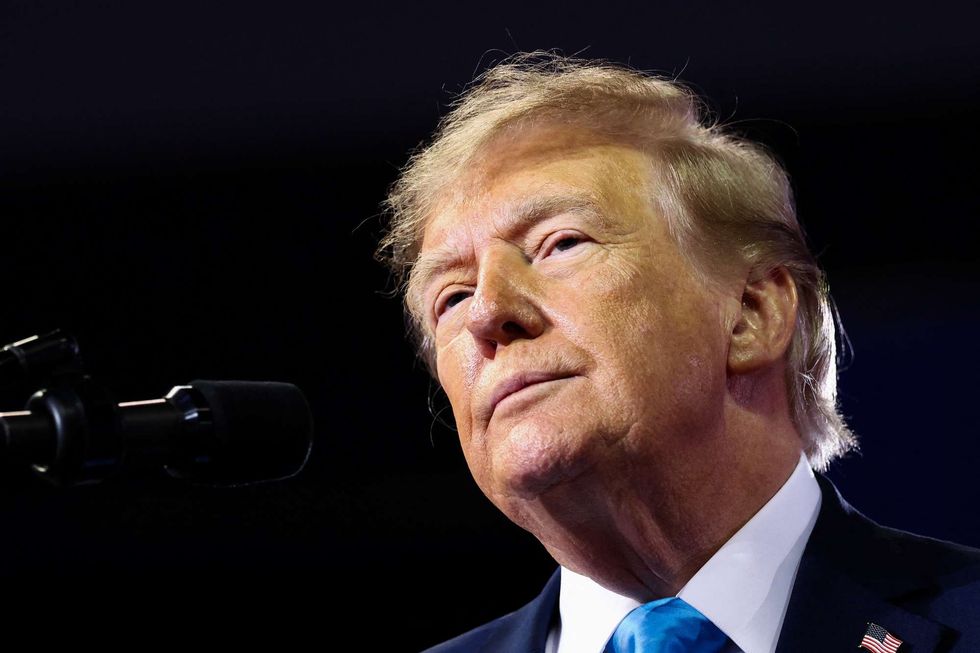
THE ayatollahs in Iran have expressed shock and horror that president Donald Trump endorsed the livestreaming of the execution by firing squad of former US army major Nidal Hasan, who fatally shot 13 unarmed US military personnel and injured 32 others at an armed forces base in Texas in 2009.
A spokesman for the Tehran regime said: “We string people up from cranes because it is part of our way of life – death, actually. Not that it has stopped people from taking to the streets. But for Trump to livestream an execution is so uncivilised. To be honest, in common with the rest of the world, we find the livestreaming of his impromptu press conferences pretty painful.”
Shamed by Tehran, Trump has changed his mind about livestreaming the execution.
“I think streaming the execution for all to see might have been a strong deterrent for the World to witness how America deals with Terrorists and SCUM like Hasan,” Trump said. “He will die, as scheduled, by firing squad, but this event will not be streamed.”
Meanwhile, Trump’s economic policies continue to baffle his allies. He is punishing India, for example, for buying Russian oil. But the US is also buying diesel from Russia.
Trump’s policy was condemned by the Telegraph newspaper in India: “Mr Trump blaming Mr Zelensky — he said Ukraine needs a new president after Kyiv criticised the Russia diesel deal — is no longer surprising. Still, the US move to buy Russian diesel until at least April after targeting India and others for doing the same is a stunning act of hypocrisy.”
Asian hustle goes too far
 National Crime Agency
WHEN I read about financial fraud, I have a sinking feeling the accused will be Asian. For example, a civil servant used remote working and sick notes to fraudulently juggle five government jobs, prosecutors said.
Kashim Chowdhury, 55, from Whitechapel, east London, is accused of lying about his employment status to secure a string of overlapping full-time roles across government departments and public bodies. Between February 2020 and September 2023, Chowdhury earned almost £350,000 from eight employers, the court heard.
Meanwhile, the organiser of a personal protective equipment (PPE) fraud who bought Rolex watches and luxury cars after scamming companies during the pandemic has been jailed for eight years.
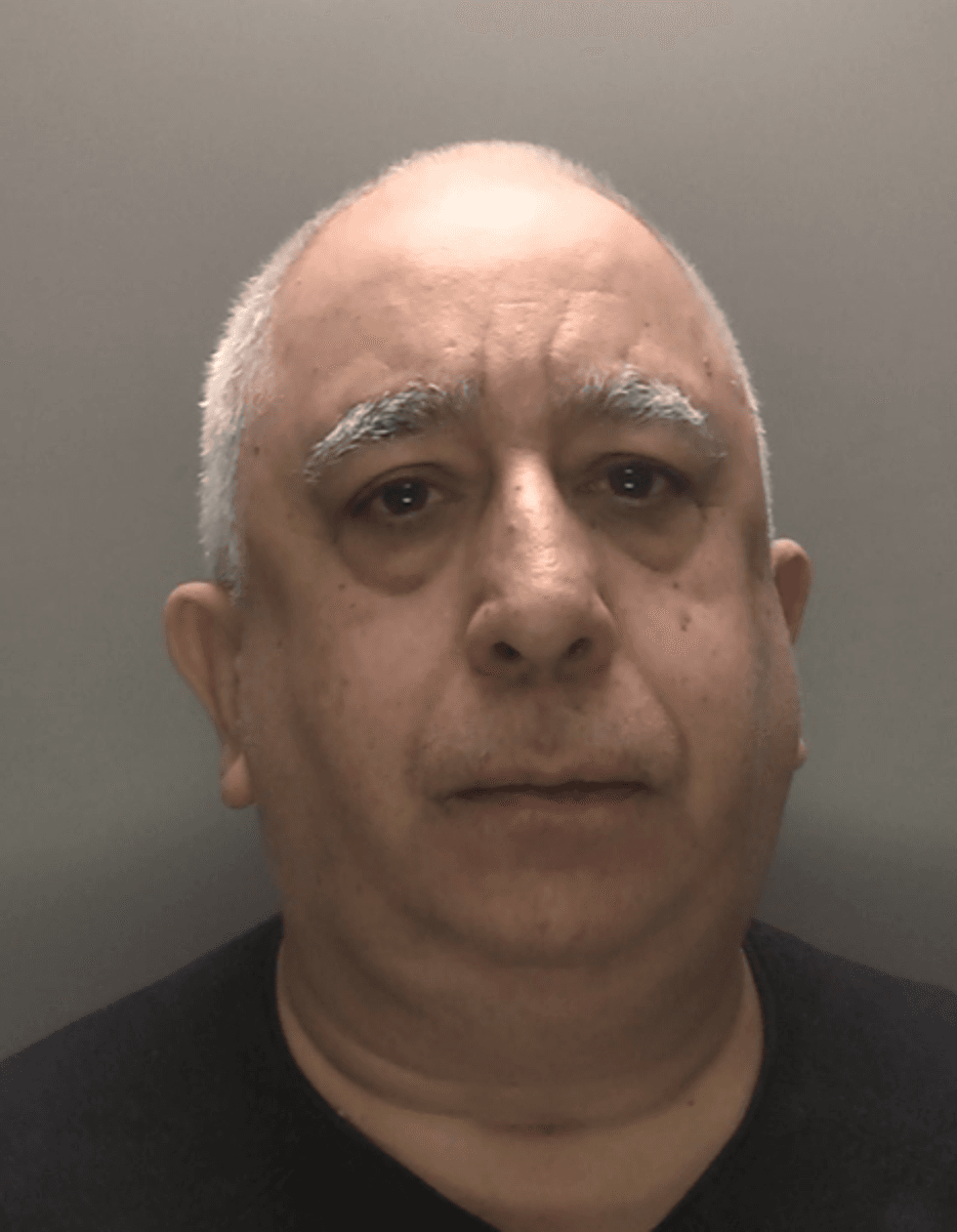
Jogesh Bhandari (pictured), 60, spent £126,000 on a Porsche sports car and also bought an Audi A5, a Land Rover Discovery, jewellery and holiday packages after pretending he could supply protective clothing to medical customers in the US and Germany. He teamed up with Frank Labruzzo, a lawyer working for the Louisiana attorney general’s office, to secure an order for 12 million boxes of PPE gloves in November 2020.
It is possible that the desire to make money, by any means, is very strong in sections of the Asian community.



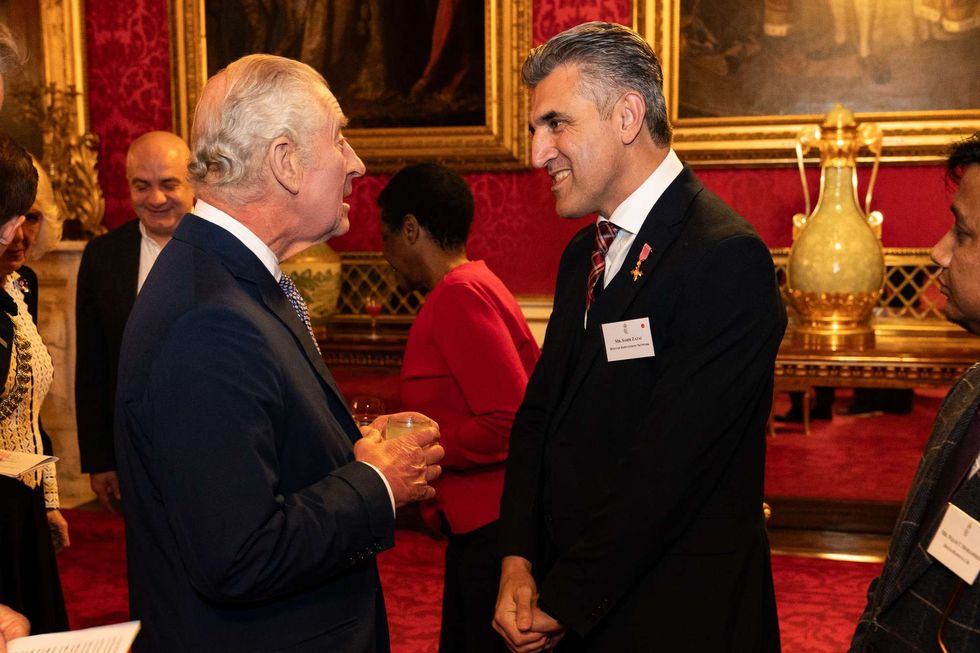 Sabir Zazai (right) speaks with King Charles III during a reception at Buckingham Palace to recognise the UK's contribution to humanitarian efforts across the world and to mark 60 years of the Disasters Emergency Committee on November 8, 2023 in London, England.Getty Images