
Sabir Zazai remembers how he first heard about the refugee convention. He was given an official letter, after arriving in Dover in the back of a lorry during the cold December of 1999. It told him that he was now ‘a person liable to be detained’, having arrived without permission, but that he could make his application for asylum under the 1951 refugee convention.
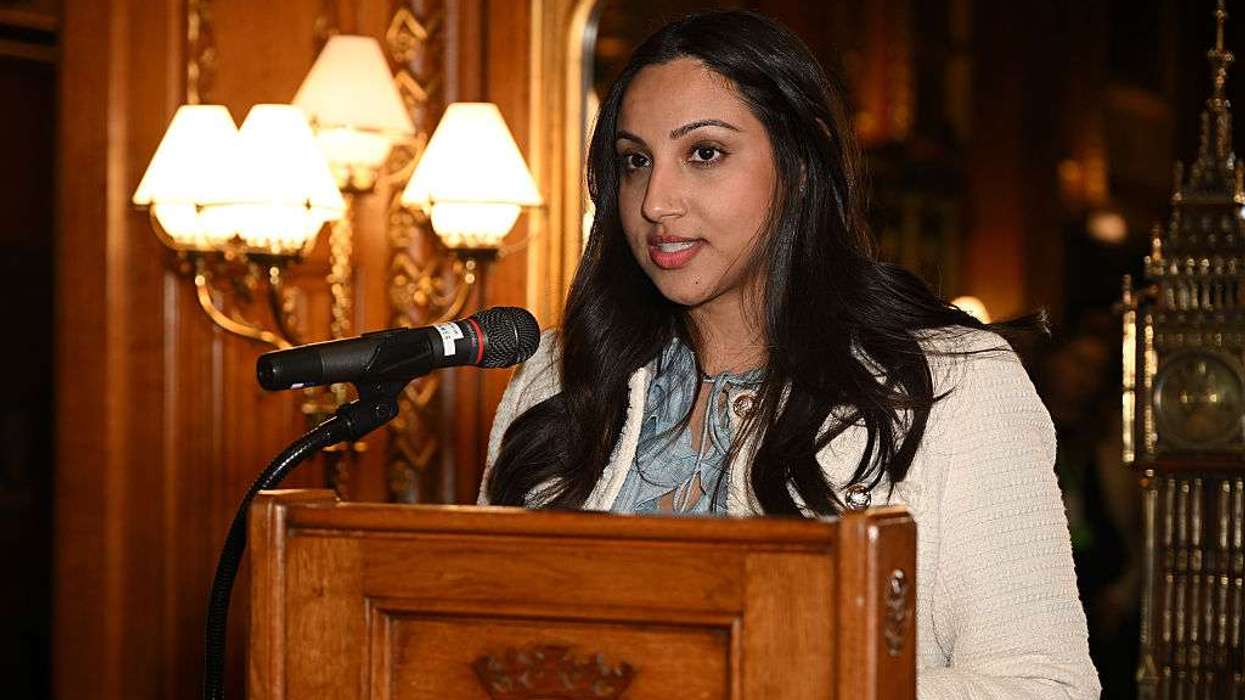
Zazai recalls a kind woman giving him some fish and chips – and reflected, more recently, that there were no balaclava-clad men roaming around the port that day. Zazai was sent to Coventry, while his asylum claim was deemed well founded. He now displays the letter given to his 22-year-old self, alongside a more recent missive in which Her Majesty’s Government awarded him an OBE for his civic contribution in the decades since. Zazai leads the Scottish Refugee Council today, and was speaking at last week’s opening of a UNHCR UK dialogue event, reflecting on the 75th anniversary of the refugee convention.
His story is one of thousands from each of those seven and a half decades. People who fled Hungary and South Africa, Vietnam or Sri Lanka, or more recent civil wars in Yugoslavia, Afghanistan and Syria, could make new lives here and contribute to Britain. We do talk of a proud British tradition of protecting refugees, which stretches back long before 1951. Few can keep a dry eye seeing the famous clip in which Nicholas Winton is shown hundreds of the lives he saved from Hitler.
But we can forget that the kindertransport – solely for children – came about because governments feared a lack of public support to save the adults from Hitler’s genocidal intent too. So governments made a post-holocaust promise: that those fleeing persecution must not be sent back to danger, without having their claim for refuge assessed. With no convention, governments would have acted when there were popular surges of empathy.
Ted Heath’s courage in protecting the Ugandan Asians showed that leaders can act when it is politically difficult, too. But the refugee convention made protection a right, not just a privilege in moments of generosity. That commitment has been maintained by every government since Churchill’s - whether willingly or grudgingly, amid contested arguments about how to put it into practice.
The louder voices during this 75th anniversary year have often been those trying to end asylum, rather than those trying to save it. The Trump administration only wants white South Africans – though its diplomatic push to get other governments to call for the convention to be narrowed or ditched had few takers. The UNHCR UK dialogue came at the end of a week when Reform were proposing to abolish asylum or suspend it.
The good news for those who want to save asylum is that the principle has broad public backing. Ipsos’s annual global study finds 73 per cent support for Britain giving refuge to those fleeing war and persecution, a little above the EU and global averages. A surly one-in-five, in the UK and across all major democracies, would say no to everyone.
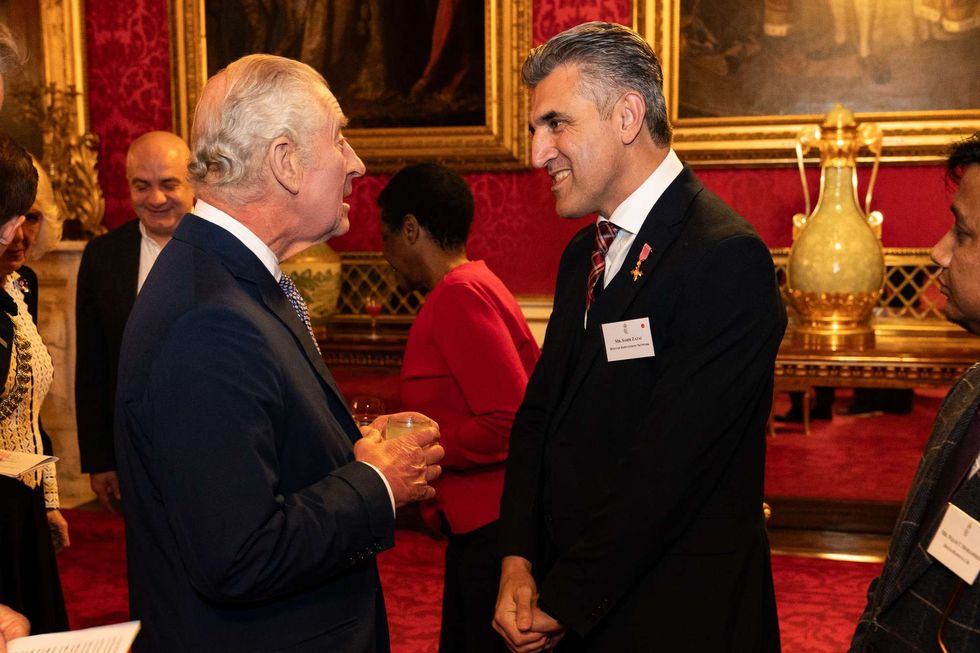 Sabir Zazai (right) speaks with King Charles III during a reception at Buckingham Palace to recognise the UK's contribution to humanitarian efforts across the world and to mark 60 years of the Disasters Emergency Committee on November 8, 2023 in London, England.Getty Images
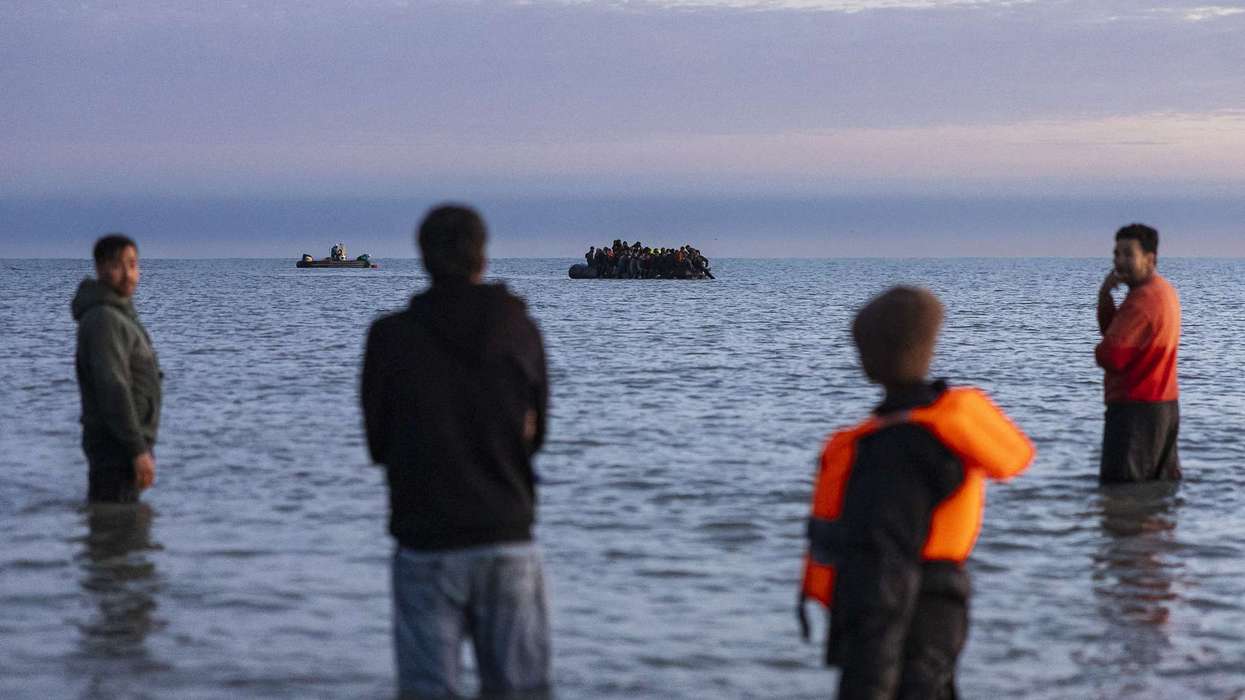
The challenge is to secure consent in practice as well as principle, when faced with a visible lack of control in the Channel.
Dangerous journeys across icy waters is nobody’s idea of an orderly or safe way to protect refugees. Channel crossings are down 40 per cent this year – but the days a boat arrive will grab more headlines than invisible trends. Only a quarter of people have no sympathy at all for those coming in small boats.
A contrasting group feel enormous sympathy. An ugly rhetorical auction over who can bring the cruelty and chaos of Trump’s mass deportations to Britain appeals to those radicalised online, not the general public. But most people are balancers, so want a government competent enough to deliver compassion with control.
Rishi Sunak, who was a sceptic about the legality, cost and deterrent effect of the Rwanda scheme as chancellor before failing to deliver it as prime minister, still now wonders if there is any alternative to trying again. Sunak notes that the UK-France pilot deal, which gave more than a thousand refugees safe passage to the UK for a similar number of returns, has ended. Yet that remains the kernel of the most workable solution: a controlled ‘routes for returns’ deal at proper scale to make the smuggling route futile.
Leaving the European Convention on Human Rights would make controlling asylum much harder. Even if it sped up some returns of failed cases a little, that would come at an enormous price: the suspension of all asylum, justice and home affairs cooperation with the European Union. But prime minister Andy Burnham cannot want to bin his ambitions for a new UK-EU relationship so soon. Instead, he should give a high priority in negotiations to show how cooperation, not isolationist fantasies, can deliver control in the Channel. Saving refugee protection from these attacks could offer a roadmap for how to win broader arguments, too.