
Highlights
- Baby boy born in London following womb transplant from deceased donor
- Procedure part of UK clinical trial exploring new fertility treatment
- Doctors say breakthrough could offer hope to women without a viable womb
A birth described as a “miracle”
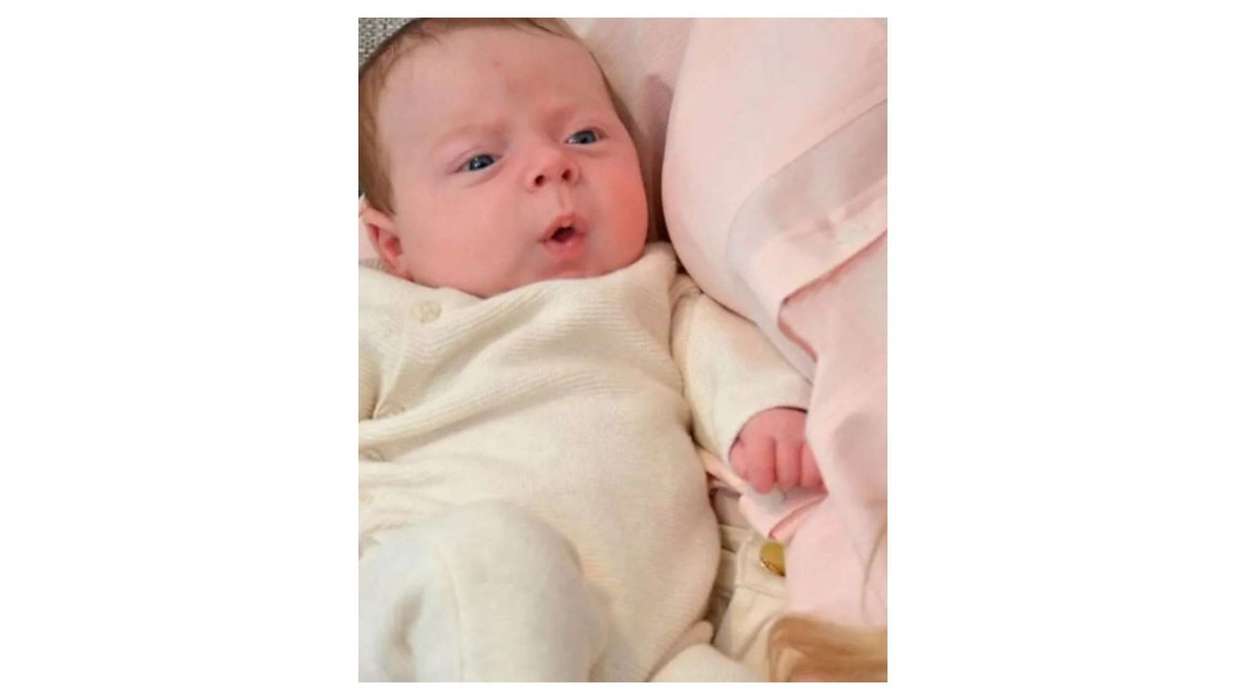
A baby boy has become the first child in the UK to be born after his mother received a womb transplant from a deceased donor, a development clinicians say represents a major step for fertility treatment.
Grace Bell, in her 30s, who was born without a functioning womb, gave birth to her son Hugo just before Christmas 2025 at Queen Charlotte's and Chelsea Hospital. She described the experience as “simply a miracle”, while paying tribute to the donor and her family for what she called an extraordinary act of generosity.
From diagnosis to transplant
Bell has MRKH syndrome, a condition affecting around one in 5,000 women in the UK, meaning she was unable to carry a pregnancy despite having functioning ovaries. She was told as a teenager she would not be able to have a baby.
Her transplant took place in June 2024 at The Churchill Hospital, with the 10-hour operation followed by IVF and embryo transfer at The Lister Fertility Clinic.
Bell said she thinks of the donor’s family daily and hopes they take comfort in knowing their daughter’s gift enabled Hugo’s birth.
Part of a wider UK trial
The case forms part of a UK clinical research programme exploring whether womb transplantation could become a standard treatment. Hugo is the first baby born in the country after a transplant from a deceased donor.
Earlier in 2025, another UK baby was born following a transplant from a living donor, while further procedures are planned.
Consultant gynaecologist Richard Smith, who has studied womb transplantation for more than two decades, said the birth demonstrated that women once told they could never carry a pregnancy may now have new possibilities.
Breakthrough with global significance
Transplant surgeon Isabel Quiroga called the outcome a breakthrough for organ transplantation, noting that only a small number of babies worldwide have been born following deceased-donor womb transplants.
Globally, more than 100 womb transplants have taken place, leading to over 70 births. Babies born after the procedure are not genetically related to the donor.
Doctors say Bell’s transplanted womb will eventually be removed once the couple decide their family is complete, to avoid the need for lifelong immunosuppressant medication.
The donor’s family, who remain anonymous, said they felt immense pride in the legacy their daughter has left. Alongside the womb, five other organs were donated, benefiting four recipients.
They said organ donation had allowed their daughter to give “hope, healing and now life” to other families — a sentiment Bell echoed as she reflected on the journey that led to Hugo’s birth.