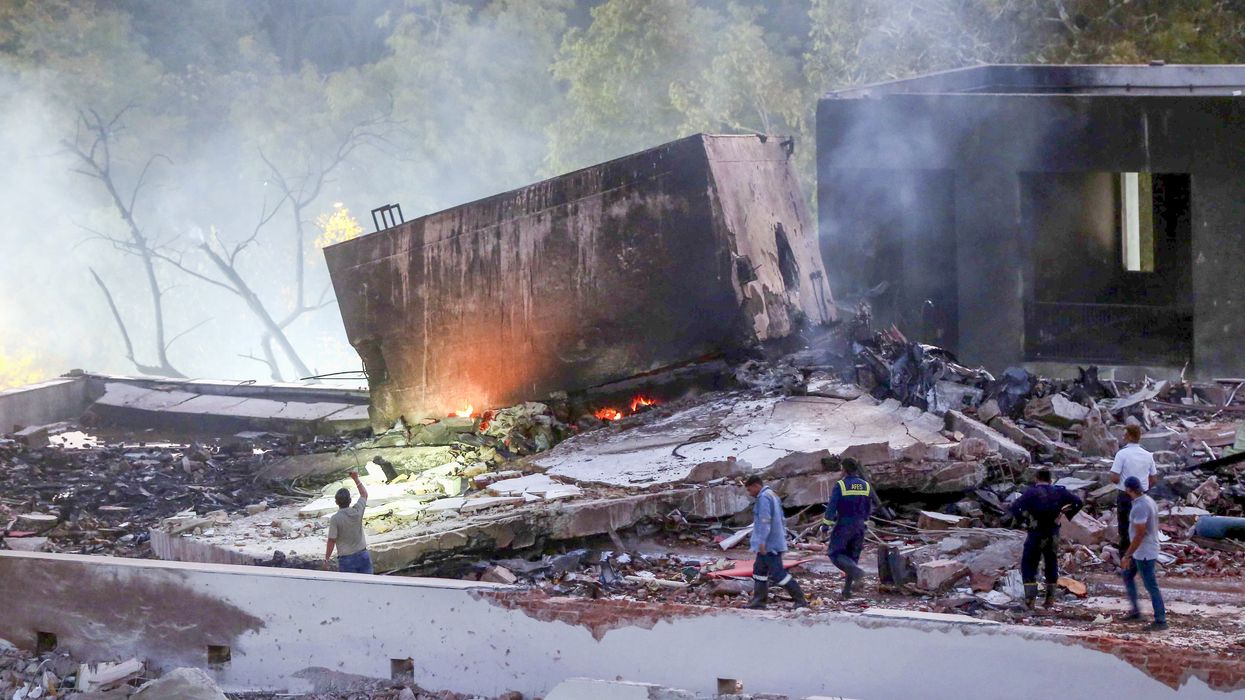

THE failure of both engines, or a bird hit soon after take-off could be among the probable causes that led to the fatal crash of a London-bound Air India aircraft with 242 people onboard, experts have said.
Three senior wide-body pilots, who are also instructors, said from observing videos of the crash available publicly, it appears the engines could not gain the required thrust needed for the take-off.
Seconds after it took off, the Air India plane crashed into a densely populated residential area.
One passenger, a UK national of Indian origin, survived the crash, which claimed the lives of more than 290 people. Those dead include residents of Ahmedabad where the plane went down.
Investigating teams from the UK and US are on their way to India to help determine the cause of the accident.
A detailed probe by the Aircraft Accident Investigation Bureau (AAIB) has been announced.
The experts offered their views on the possible causes based on the available visuals of the aircraft as it went down.
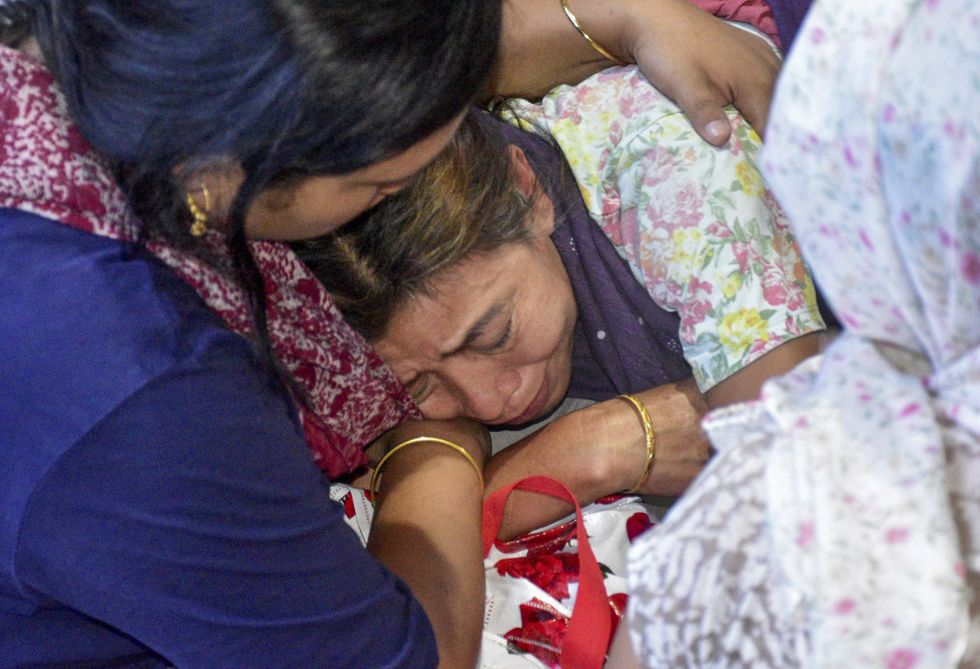 Mala, mother of 21-year-old cabin crew Kongbrailatpam Nganthoi, is consoled by family members and relatives at their residence in Thoubal district, Manipur. Nganthoi was among those feared dead in the Air India flight crash in Ahmedabad. (PTI Photo)
One said, “There is the possibility of both the engines failing... there could have been a loss of thrust in both engines. But these are only possibilities.
The commander added that from the images, it appears either the flaps were up or landing gear was down at the time of take-off.
A second commander said the manner in which the aircraft went down indicated there was a lack of thrust in both the engines.
"This could happen if both engines had flameout due to a bird hit," he said.
A third commander said both engines of the aircraft might have lost power.
One engine might have failed and possibly due to the landing gear being not retracted after take-off, the second engine might not have had adequate power.
While there are suggestions the aircraft's weight could have been higher than the permissible limit, the commander said if that was the case, then the take-off itself would not have been possible. The weight of the aircraft determines the V1 speed or take-off speed.
If the calculated speed is lower than required, the engines will struggle to get the plane airborne.
The Boeing 787-8 aircraft - VT-ANB - operating flight AI 171 took off from runway 23 at the Ahmedabad airport to London Gatwick on Thursday (12).
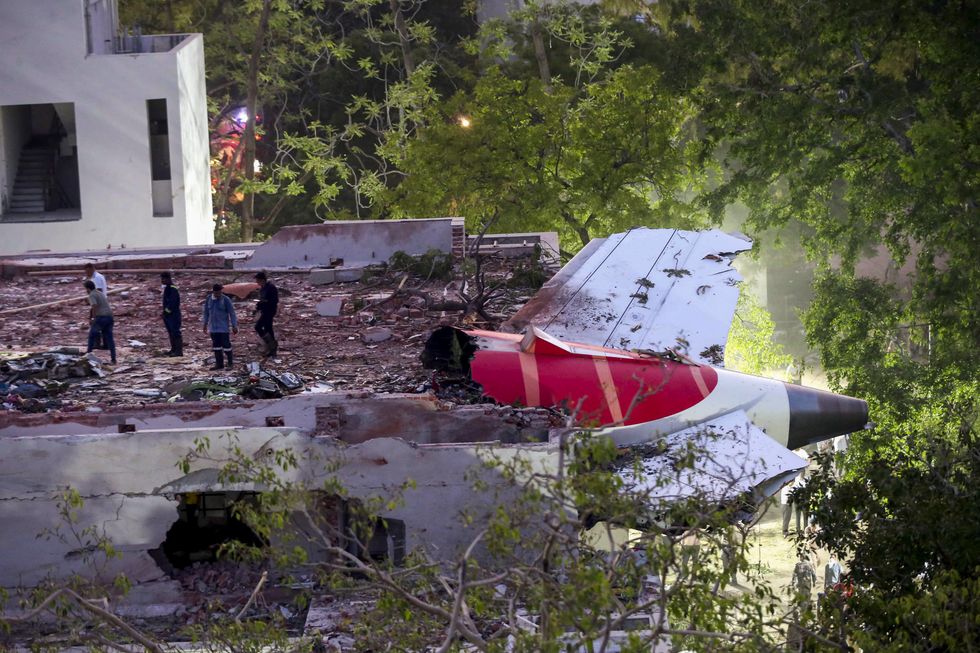 Remains of the Air India plane lies on a building in Ahmedabad. (PTI Photo)
A mayday call was sent to the air traffic controller soon after take-off, but thereafter, no response was given by the aircraft to the calls made by the air traffic controller, India’s aviation regulator DGCA said.
Salil Colge, a lecturer in aviation management at University College Birmingham, told the Telegraph: “Historically, there have been reports of several bird strikes in this area in the past, and that could be one of the possibilities.
“The airport had managed to control this significantly, with a decrease in bird strike incidents in 2024. Did the aircraft have multiple bird strikes after take-off, causing the engines to lose power?”
Another expert told the BBC the aircraft’s wing flaps may have been an issue.
Aviation analyst Geoffrey Thomas told the broadcaster, “When I'm looking at this, the undercarriage is still down, but the flaps have been retracted.
"The undercarriage is normally retracted within 10-15 seconds, and the flaps are then retracted over a period of 10-15 minutes.”
In a video message, Air India CEO and MD Campbell Wilson said, "Investigations will take time but anything we can do now we are doing".