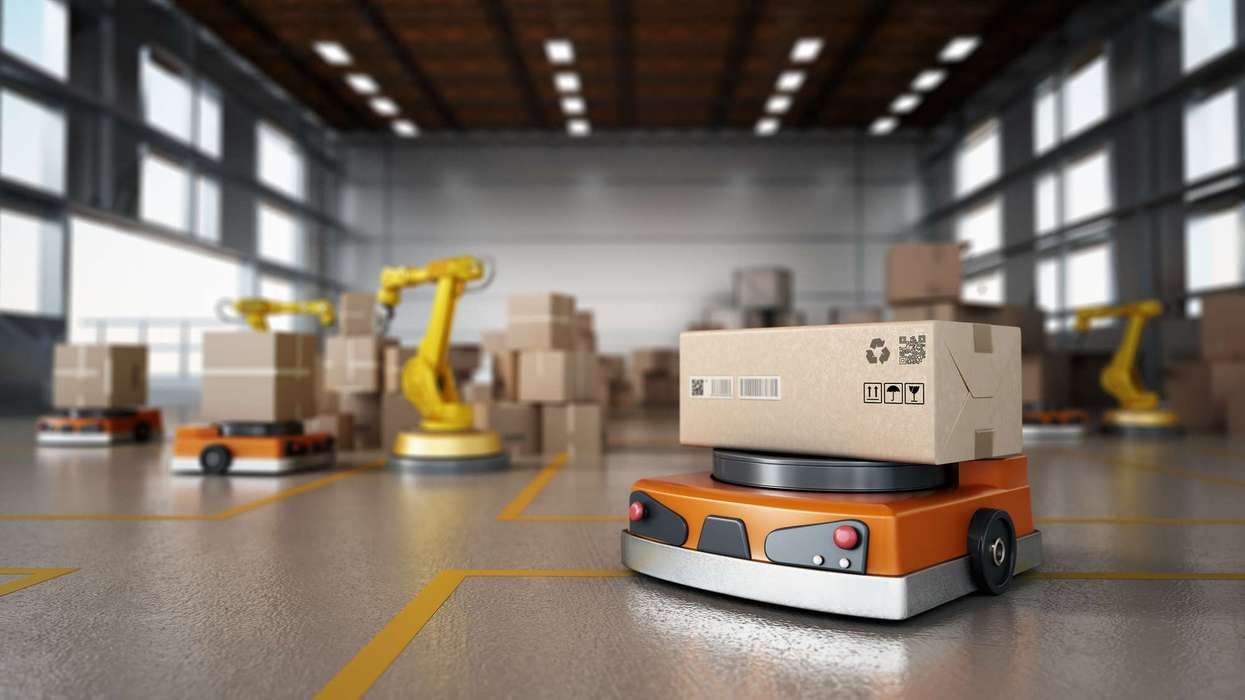

- Ministers are planning to update the law to allow delivery robots to operate more widely on pavements across England.
- Retailers see the technology as a cheaper and greener way to complete last-mile deliveries.
- Pedestrian groups warn the move could make pavements less safe for older and disabled people.
People across England could soon see delivery robots carrying groceries and takeaway meals through their neighbourhoods as the government prepares to update the law to support wider use of the technology. Ministers are expected to introduce new rules for autonomous delivery robots, giving retailers and delivery companies greater certainty after years of operating in a legal grey area.
The proposed changes could create a new option for last-mile deliveries, helping supermarkets, restaurants and online retailers cut delivery costs while reducing vehicle emissions. Companies such as Starship Technologies are expected to expand rapidly if the legislation is approved, with the company previously saying it hopes to deploy more than 10,000 robots across England and could even establish a UK manufacturing facility.
A legal hurdle could soon disappear
At present, delivery robots operate through local trials because UK law does not specifically recognise them. The Highways Act 1835 bans "carriages" from using pavements, leaving autonomous delivery devices in an uncertain legal position.
The Department for Transport is expected to address the issue through broader reforms covering micromobility vehicles, including e-scooters. Under the proposals, delivery robots would become part of a new regulatory category instead of relying on temporary local arrangements.
The government has indicated that any legal changes will follow a public consultation. A spokesperson reportedly said technological innovation has the potential to support economic growth but added that pedestrian safety and the protection of vulnerable road users would remain the priority.
Not everyone wants robots on the pavement
While businesses see an opportunity to make deliveries faster, cheaper and more environmentally friendly, campaigners argue that wider deployment could create new challenges for people who rely on safe, accessible pavements.
Living Streets, a charity that campaigns for safer walking, has urged the government to proceed cautiously. The organisation says delivery robots could make already crowded pavements more difficult to navigate, particularly for wheelchair users, blind and partially sighted people, older pedestrians and those using mobility aids.
The charity has launched a campaign highlighting what it describes as growing pressure on pavements and has called on Transport Secretary Heidi Alexander to ensure accessibility remains at the centre of any new legislation.
The debate is also being closely watched by retailers and delivery platforms, which view autonomous robots as a way to lower delivery costs and reduce carbon emissions. However, even if the law changes, the scale of any rollout is likely to depend on the powers given to local authorities, including where robots can operate, how many can be deployed and the safety standards they will have to meet.