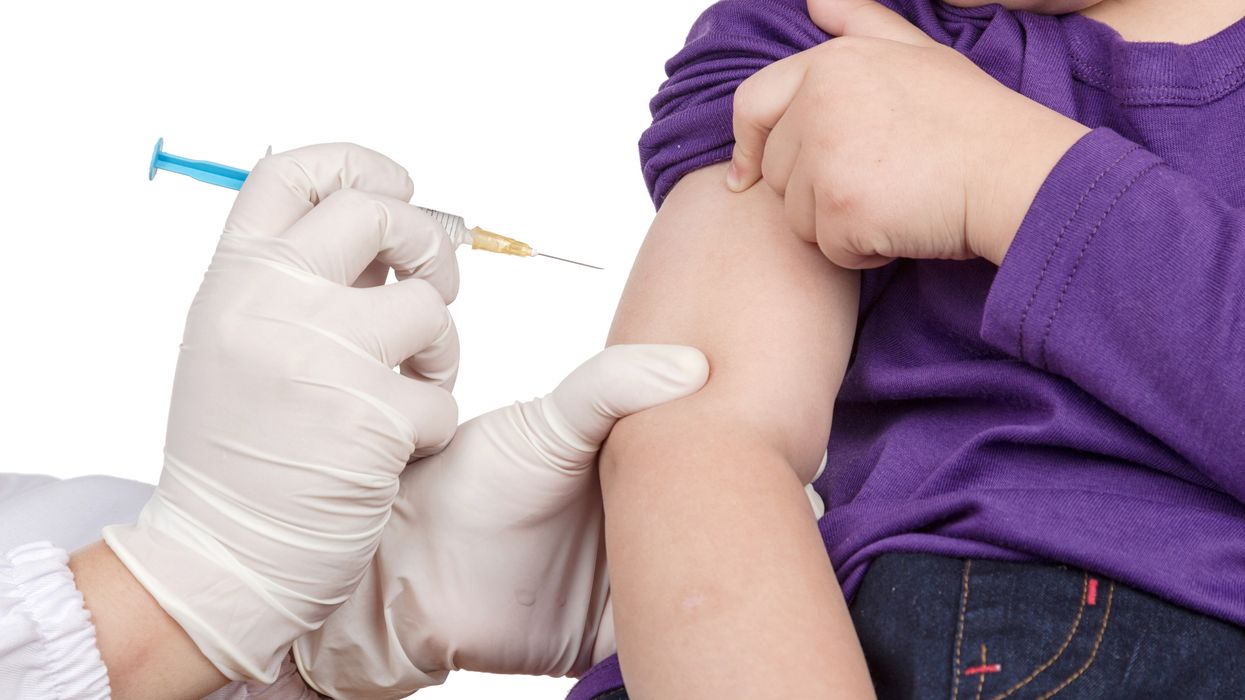

CHILDREN in England will be offered a free chickenpox vaccine for the first time from January 2026, the government has announced.
GP practices will give eligible children a combined vaccine for measles, mumps, rubella and varicella (MMRV) as part of the routine childhood vaccination schedule. Around half a million children each year are expected to be protected.
The Department of Health said the rollout would reduce missed days at nursery and school, cut time parents take off work, and save the NHS about £15 million a year. Research estimates chickenpox in childhood leads to £24 million in lost income and productivity annually.
Minister of State for Care, Stephen Kinnock, said: “We’re giving parents the power to protect their children from chickenpox and its serious complications, while keeping them in nursery or the classroom where they belong and preventing parents from scrambling for childcare or having to miss work. This vaccine puts children’s health first and gives working families the support they deserve. As part of our Plan for Change, we want to give every child the best possible start in life, and this rollout will help to do exactly that.”
Dr Gayatri Amirthalingam, Deputy Director of Immunisation at the UK Health Security Agency, said: “Most parents probably consider chickenpox to be a common and mild illness, but for some babies, young children and even adults, chickenpox can be very serious, leading to hospital admission and tragically, while rare, it can be fatal. It is excellent news that from next January we will be introducing a vaccine to protect against chickenpox into the NHS routine childhood vaccination programme – helping prevent what is for most a nasty illness and for those who develop severe symptoms, it could be a life saver.”
Amanda Doyle, National Director for Primary Care and Community Services at NHS England, said: “This is a hugely positive moment for families as the NHS gets ready to roll out a vaccine to protect children against chickenpox for the first time, adding to the arsenal of other routine jabs that safeguard against serious illness.”
The eligibility criteria will be set out in clinical guidance, and parents will be contacted by their GP surgery if their child is eligible.