
- Bus passengers could face fines of up to £100 for loud music and other offences under new local authority powers.
- A national rail campaign will ask passengers to “share the carriage, not the noise”.
- Transport campaigners have welcomed the crackdown but questioned whether authorities will have the resources to enforce it.
Passengers who play loud music on buses in England could face fines of up to £100 under a government crackdown on antisocial behaviour across public transport.
The measures target disruptive behaviour including playing music or videos aloud, littering, vaping and threatening conduct. The government says the aim is to make journeys more comfortable and encourage more people to use public transport.
New guidance has been issued to local authorities on powers introduced earlier this year to tackle antisocial behaviour on buses. The rules allow councils to introduce restrictions, subject to approval by the Transport Secretary, with authorised officers able to issue fixed penalties of up to £100.
A separate national campaign will urge rail passengers to “share the carriage, not the noise”, with messages appearing on operator websites, social media and inside trains.
Prime Minister Andy Burnham said loud music and videos played through phone speakers could quickly spoil a journey.
“We've all been on the train when someone starts blasting music or videos from their phone. It gets on your nerves and can quickly spoil the journey,” he said.
What behaviour could lead to a £100 fine?
The crackdown covers loud music and other forms of antisocial behaviour on buses, including littering, vaping and threatening conduct.
The government says bus drivers will not be expected to enforce the rules. Instead, authorised officers, including Transport Safety Officers and police, will deal with incidents.
Chris McDonald, Minister for Science, Research and Innovation, told BBC Breakfast that passengers could report problems to staff or the British Transport Police.
“They don't have to tackle the individual themselves if they don't feel confident to do that,” he said, adding that passengers could also text the British Transport Police.
On trains, existing powers allow passengers who refuse to stop disruptive behaviour when asked to do so to be removed. They could also face fines of up to £1,000.
Who will enforce the new rules?
The crackdown has received support from transport campaigners, but questions remain about whether authorities will have the staff and resources to make it work.
Michael Solomon Williams of Campaign for Better Transport told the BBC that antisocial behaviour could discourage people from using public transport, particularly those with accessibility needs. However, he questioned how local authorities would enforce the rules on buses, where the British Transport Police do not generally operate.
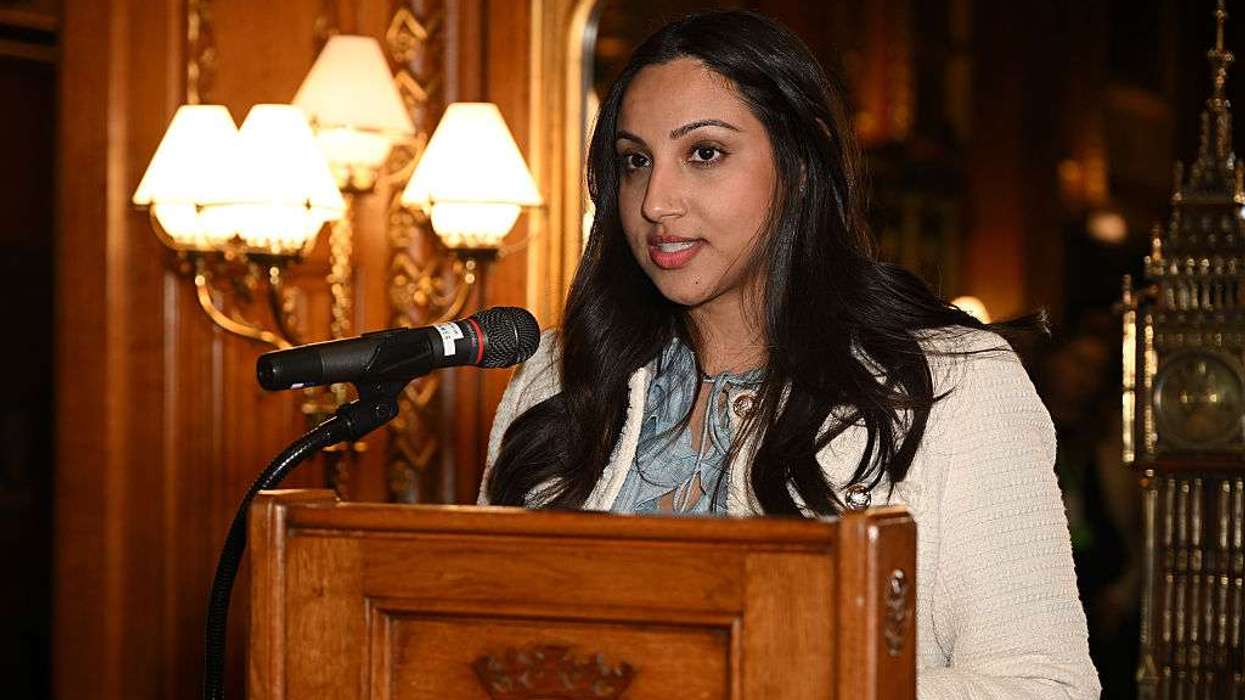
TSSA general secretary Maryam Eslamdoust described the measures as “a step in the right direction”, but said the government also needed to address violence, threats and abuse against passengers and transport workers.
She called for increased funding for the British Transport Police to protect people, respond to incidents and bring violent offenders to justice.
Shadow Transport Secretary Richard Holden said the government should focus on more serious problems alongside nuisance behaviour. He claimed assaults against rail staff had risen by 68 per cent and prosecutions had fallen under Labour, calling for stronger enforcement and better protection for railway workers.
Liberal Democrat transport spokesperson Olly Glover also questioned whether the rules would make a difference without funding for transport safety officers.
“Unless the Government funds transport safety officers on the ground, these new rules won't be worth the paper they're printed on,” he said.
Transport Focus said its research published in June found that personal safety and security had become central to passengers' confidence in rail travel.
“Four in 10 passengers say that anti-social behaviour has made them feel vulnerable when travelling,” said Alex Campbell, the watchdog's director of policy and insight.
He added that reducing nuisance behaviour, including loud music and vaping, could improve passengers' experience and encourage more people to choose public transport.