
Highlights
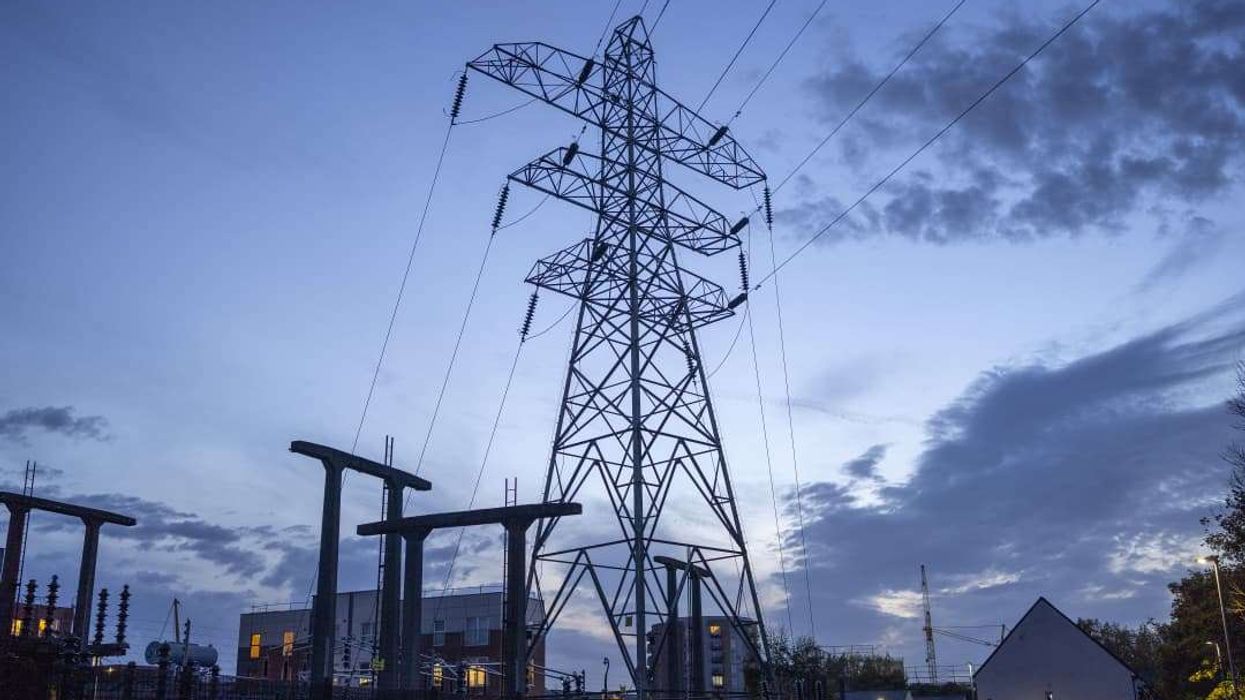
- Energy bills will rise by £3 annually from January, with households paying an extra 28p per month during winter.
- Electricity costs are climbing 5.1per cent while gas prices fall 5.7 per cent, hitting hardest those switching to electric heating.
- Government policy costs, not wholesale prices, are driving the increase, with further rises expected in April.
The surprise increase defied expert predictions. Consultants at Cornwall Insight had forecast a 1 per cent price drop due to stable wholesale markets and lower gas prices over the past three months. However, rising government policy costs including funds for the Warm Homes Discount scheme and electricity network investment pushed the cap higher.
Ofgem said wholesale prices were currently stable and had fallen by 4 per cent over the past three months, but conditions remained "volatile".
Who suffers most?
The impact will not affect all households equally. Electricity unit rates will climb 5.1 per cent to 27.69p per kilowatt hour, while gas rates will fall 5.7 per cent to 5.93p per kilowatt hour. Families relying more on electricity particularly those switching from gas boilers to electric heating – face bill increases of 3-4 per cent.
Martin Lewis, founder of MoneySavingExpert.com, warned that policy costs would continue rising until the mid-2030s. "We need a national debate about this. These costs will make an ever bigger proportion of our bills," he told BBC Radio 4.
Current energy debt in the UK stands at £4.4 bn, up from £2 bn three years ago. Nearly 7 m people about 10 per cent of Great Britain's population live in households with energy debt.
The fuel poverty charity National Energy Action has called on chancellor Rachel Reeves to use next week's budget to tackle rising household costs by removing environmental levies from energy bills.
Experts suggest households can save up to £136 annually by switching to direct debit payments or accessing the Warm Home Discount Scheme if eligible. Bills remain approximately 50 per cent higher than before Russia's 2022 invasion of Ukraine sparked the global energy crisis.