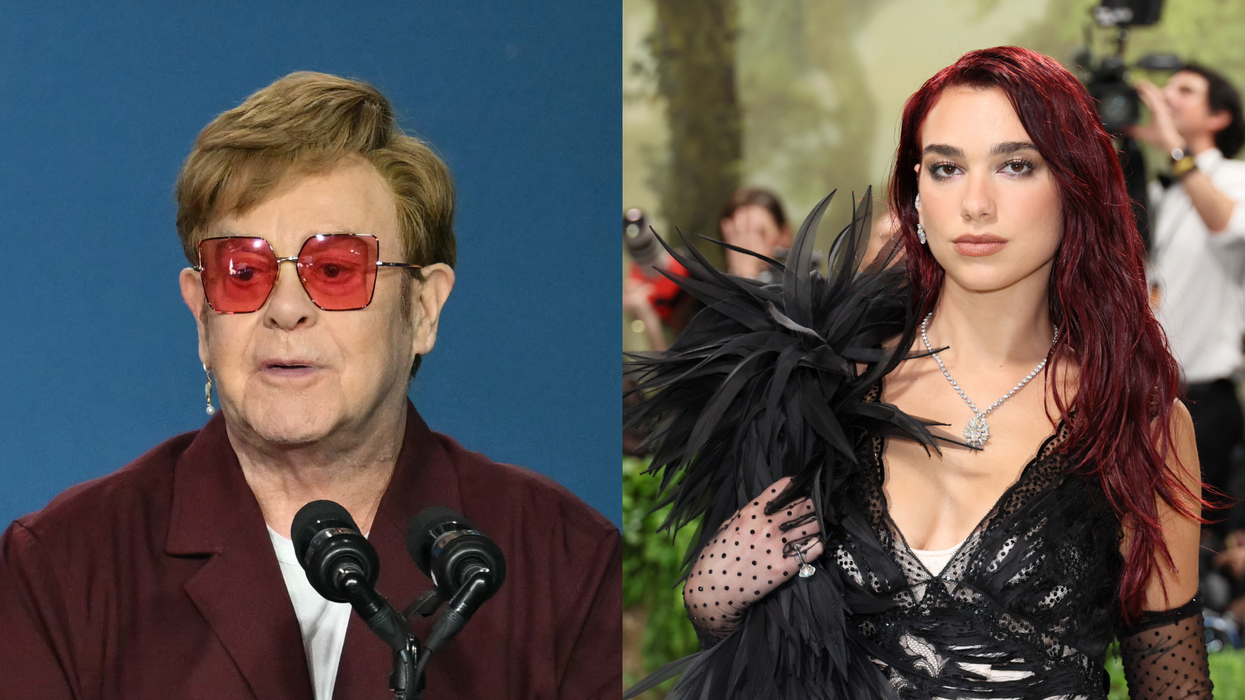

Music legends Elton John and Dua Lipa have taken a firm stand against the unchecked rise of artificial intelligence in the creative world. They’ve joined a group of over 400 British artists, writers, and performers urging the Prime Minister to update copyright laws to better protect their work from being exploited by AI systems.
The stars are calling on Sir Keir Starmer to support an amendment to the Data (Use and Access) Bill. This amendment would require tech companies to inform creators if their work is used to train AI models. John, Lipa, and others believe that without this change, they risk losing control over their creations, essentially handing them over to tech firms without consent or compensation.
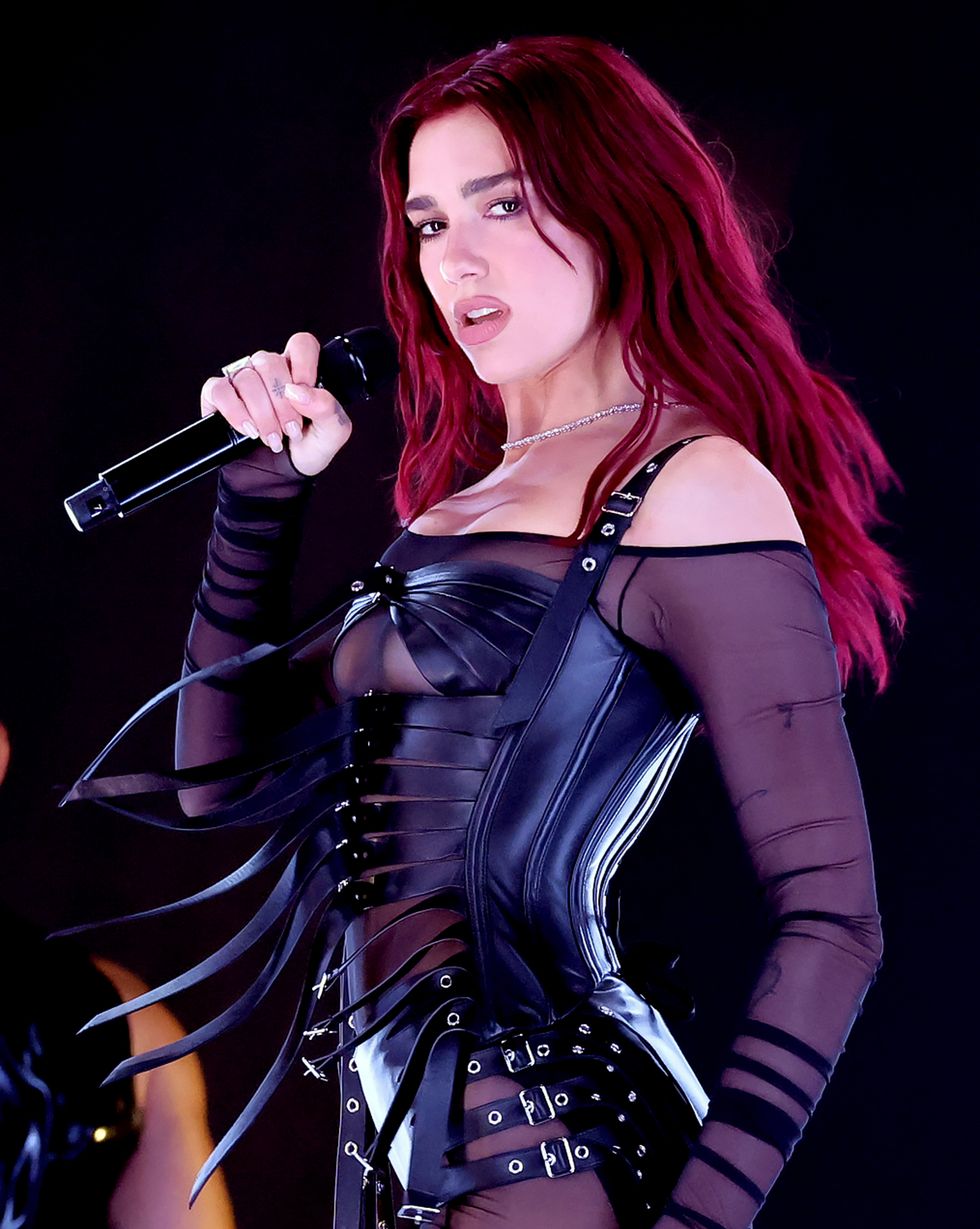 Dua Lipa lead a coalition of artists calling for stronger copyright protections against AI exploitationGetty Images
In their letter, the artists stress that failing to address this issue could jeopardise the UK’s position as a global creative leader. They see their work as the core of the industry, providing jobs and boosting the economy. Allowing tech companies to use copyrighted material without permission, they argue, could undermine the industry’s foundation.
Sir Paul McCartney and other influential names, including Kate Bush, Robbie Williams, and Coldplay, have also signed the letter. They all agree on one thing: AI should not be allowed to rip off human creativity. Instead, they believe in a balanced approach where AI development does not come at the expense of artists' rights.
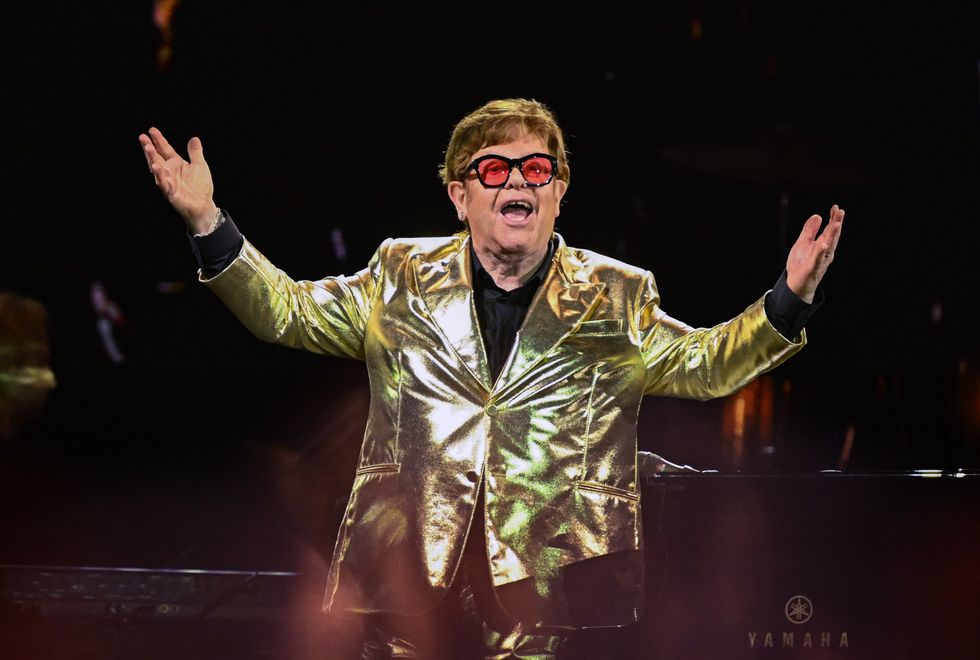 Elton John join over 400 artists demanding legal action to safeguard creative work from AI misuseGetty Images
However, not everyone supports this push for stricter regulations. Julia Willemyns from the Centre for British Progress warns that the proposed changes could drive AI development out of the UK, hurting the country’s innovation and economic growth. She argues that placing limits on content use might discourage tech companies from operating locally, pushing development offshore.
The UK government is currently reviewing its stance on AI and copyright. While they acknowledge the concerns raised, officials have stated that no changes will be made without ensuring they benefit creators.
Dua Lipa and Elton John’s message is clear: the creative community deserves protection from AI exploitation. As artists fight to safeguard their intellectual property, the outcome of this debate could shape the future of music, film, and the wider arts industry in the AI age.