
ASIAN households have been urged to take extra precautions when cooking for family gatherings this summer after a spate of fires.
Cooking is the number one cause of accidental house fires in the UK. Of the 24,083 accidental dwelling fires in the year ending March 2023, 44 per cent were due to cooking appliances, according to Home Office data.
Ahead of festivals such as Raksha Bandhan in August, fire services have warned that using deep oil can be more hazardous than other cooking methods and using larger pots can cause a buildup of deadly carbon monoxide gas.
Farzana Patel, community fire safety advisor for Lancashire Fire and Rescue Service, told Eastern Eye: “Since cooking fires are the biggest cause of accidental dwelling fires, it is especially important to cook carefully. Tie back clothing or wear something more fitted as loose-fitting garments and hijabs can present a hazard around heat sources and naked flames.
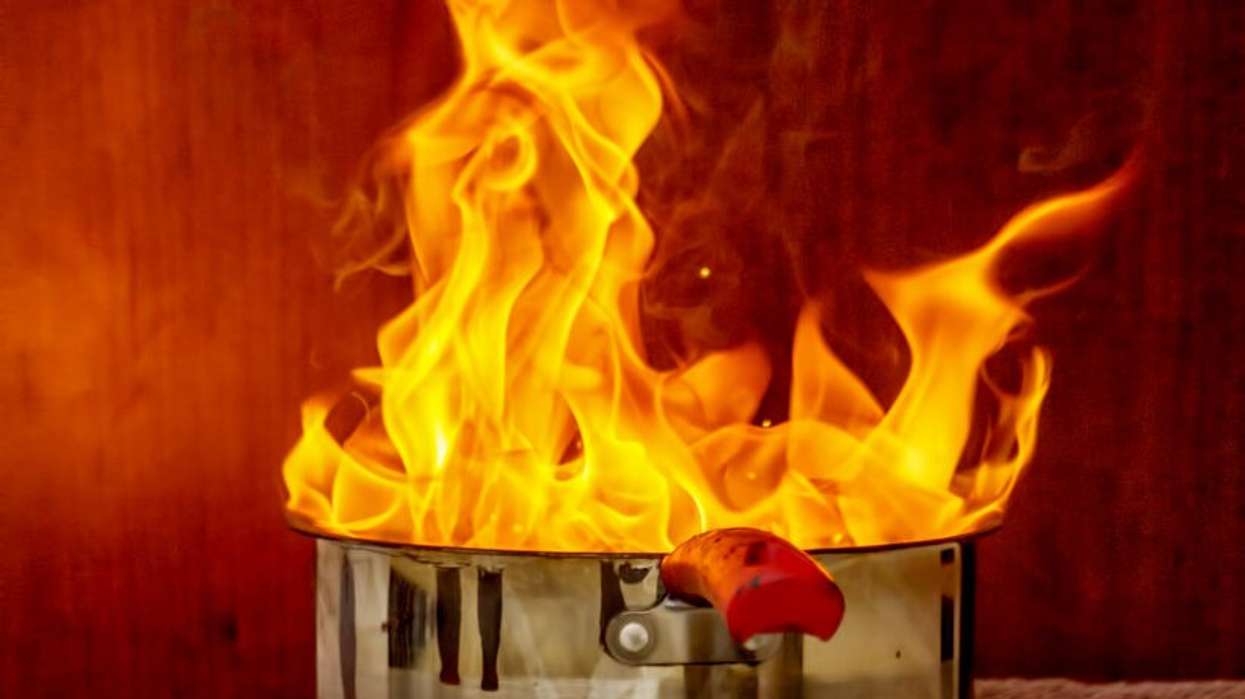
“People are also advised to avoid having any karahi (cooking pot) more than one third full of oil, keeping the temperature to 350-375°F, and ensuring the pot or pan handles are facing inwards.”
Scottish Fire and Rescue Service Group commander Steven Low said preparing food is the number one cause of house fires across Scotland. He told Eastern Eye: “It’s important to keep your eyes on the kitchen when cooking as fire can start when your attention stops. Our Recipe for Safe Cooking leaflet has lots of safety tips, which include cooking with hot oil. Never fill the pan more than one-third full of fat or oil and take extra care as oils can easily overheat and catch fire. If a pan does go on fire, do not try to move the pan, and immediately call 999.”
Recent incidents include a blaze at a home in Burgess Hill, Sussex, in April after the occupant had gone out and left the hob switched on, causing items left on top of the cooker to catch fire.
In Essex, fire crews had to force their way into an empty house in March after the resident left food cooking on the hob and went out.
The London Fire Brigade said people using an oven should never leave the hob or grill unattended and if you have to leave the kitchen, turn off the heat. “Loose clothing can easily catch fire so take care not to lean over a hot hob, and always keep tea towels and cloths away from the cooker and hob. Try to keep the oven, hob, cooker hood, extractor fan and grill clean – builtup fat and grease can ignite and cause a fire. Double-check the cooker and hob are turned off when you’ve finished cooking for your family and friends,” it added.
North Yorkshire Fire and Rescue Service advised households to avoid using hobs as a storage area, use a thermostatcontrolled deep-fat fryer and never put anything metal in the microwave.
Meanwhile, South Wales Fire and Rescue Service urged people to ensure they have a working smoke alarm and to test it regularly, never leave children alone in the kitchen, and ensure matches and saucepan handles are out of their reach.