
A RECORD 10,293 people were referred to the UK's anti-radicalisation Prevent programme in the year to September 2025, the Home Office said, with concerns over extreme right-wing views accounting for the largest share linked to a specific ideology.
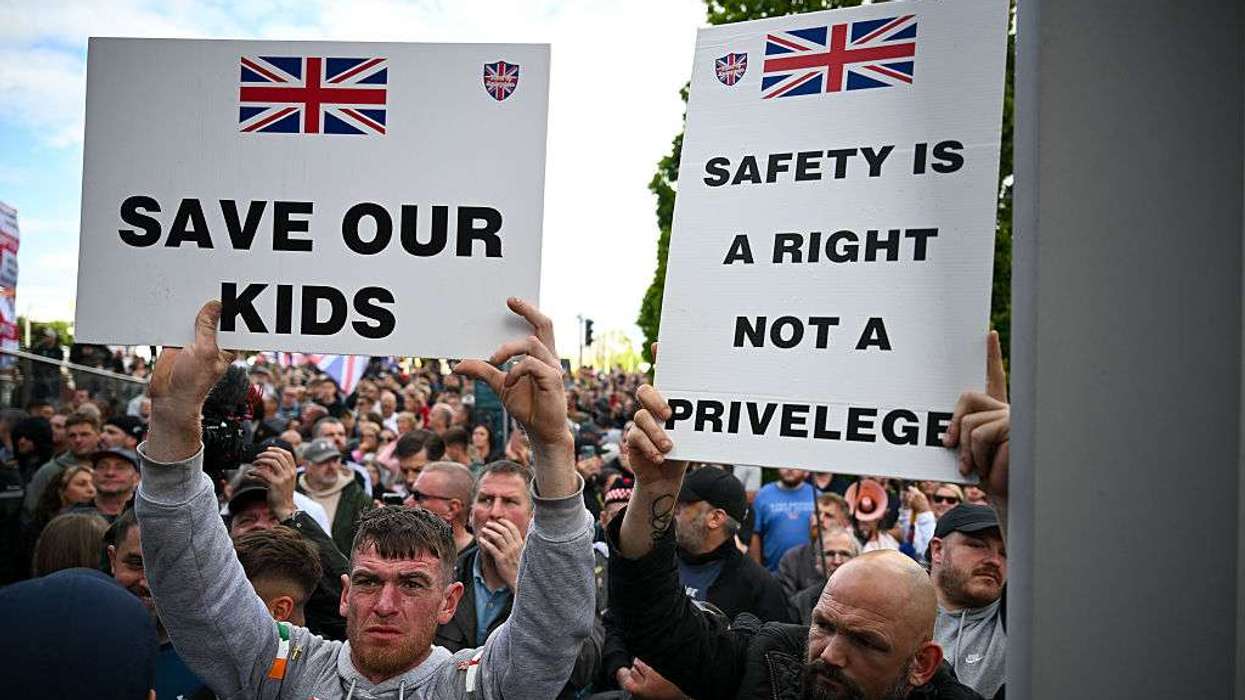
The figure was the highest recorded since Prevent referrals began being reported in 2015, representing a significant increase on the previous year. Extreme right-wing concerns accounted for 2,103 referrals, up 42 per cent year on year.
Children aged 11 to 15 were the largest proportion of all referrals, and accounted for 35 per cent of extreme right-wing ideology referrals.
Prevent is part of the UK's counter-terrorism strategy and aims to identify people at risk of being drawn into terrorism and provide early support to prevent them from becoming radicalised.
The country in April raised its terror threat level to "severe" -- the second-highest, meaning an attack is "highly likely" -- with security officials citing the "broader Islamist and extreme right-wing terrorist threat".
The largest number of referrals due to concerns about a specific ideology related to "extreme right wing" views, accounting for 20 per cent of all referrals.
There were 2,103 such referrals -- a sharp rise of 42 per cent on the previous year.
The hard-right, anti-immigrant party Reform UK led by Nigel Farage has enjoyed electoral success recently, while far-right, anti-Muslim campaigners such as Stephen Yaxley-Lennon, also known as Tommy Robinson, have bolstered support online.
Teachers, medics and others can raise concerns about an individual at risk of radicalisation with police and local authorities, resulting in screening and potential safeguarding intervention -- although the person has to consent to this.
Referrals over fascination with extreme violence also rose, accounting for eight per cent of the total.
The government attributed this to "increased awareness of the risk" of such cases, following the 2024 Southport attack, when teenager Axel Rudakubana murdered three young girls in a stabbing spree.
Rudakubana was referred repeatedly to Prevent, but the cases were closed over his lack of clear ideology.
Concerns over Islamist extremism accounted for 860 referrals or eight per cent, down nine per cent on the previous year.
The government said the total number of Islamist extremism referrals that progressed to the safeguarding stage had gone up, stressing: "Islamist terrorism remains the primary terrorist threat in the UK".