
THE government has been accused of diluting its plans for local child sexual abuse inquiries after announcing a more "flexible approach" to how councils can use a £5 million national fund, reported The Times.
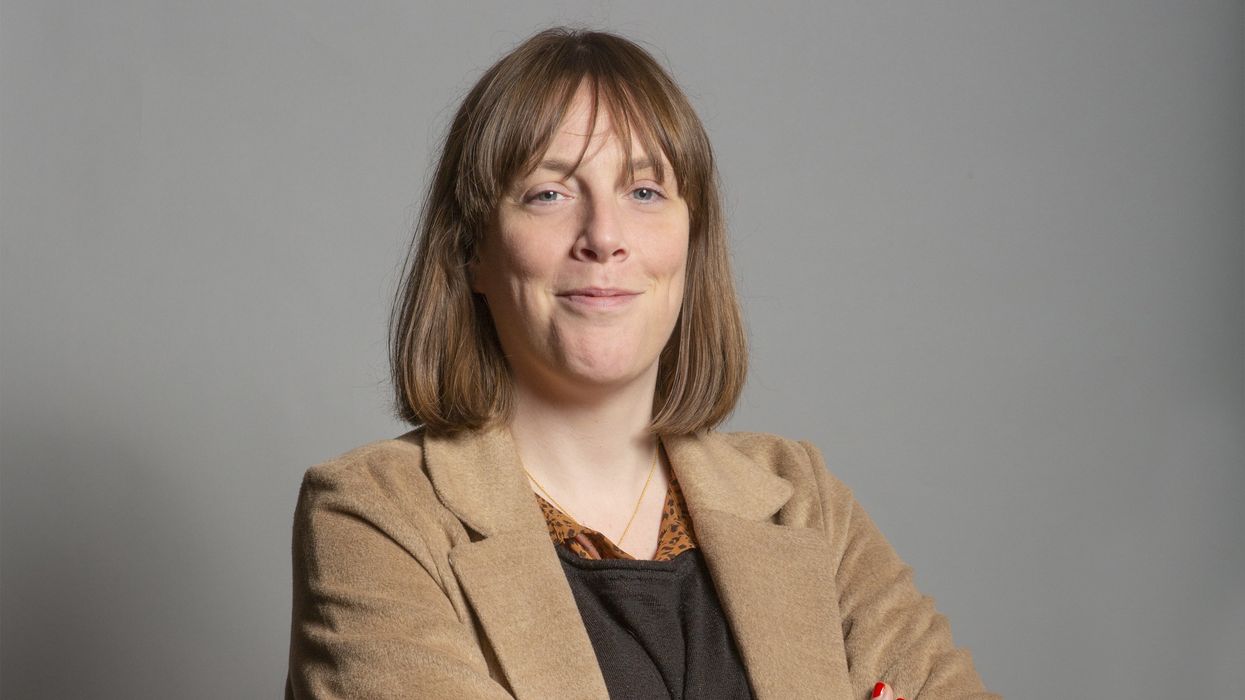
Home Office minister Jess Phillips confirmed in the Commons that local authorities will have greater choice in how they utilise the funding, which was originally intended to support five judge-led inquiries modelled on the Telford investigation.
In a statement, Phillips explained: "Following feedback, the government would adopt a flexible approach to its plans for local child sexual abuse inquiries." She added this could include full independent inquiries, but might also involve "more bespoke work, including local victims' panels or locally led audits of the handling of historical cases."
While Home Office sources insisted that the original five inquiries could still proceed, opposition MPs swiftly criticised what they viewed as a retreat from earlier commitments.
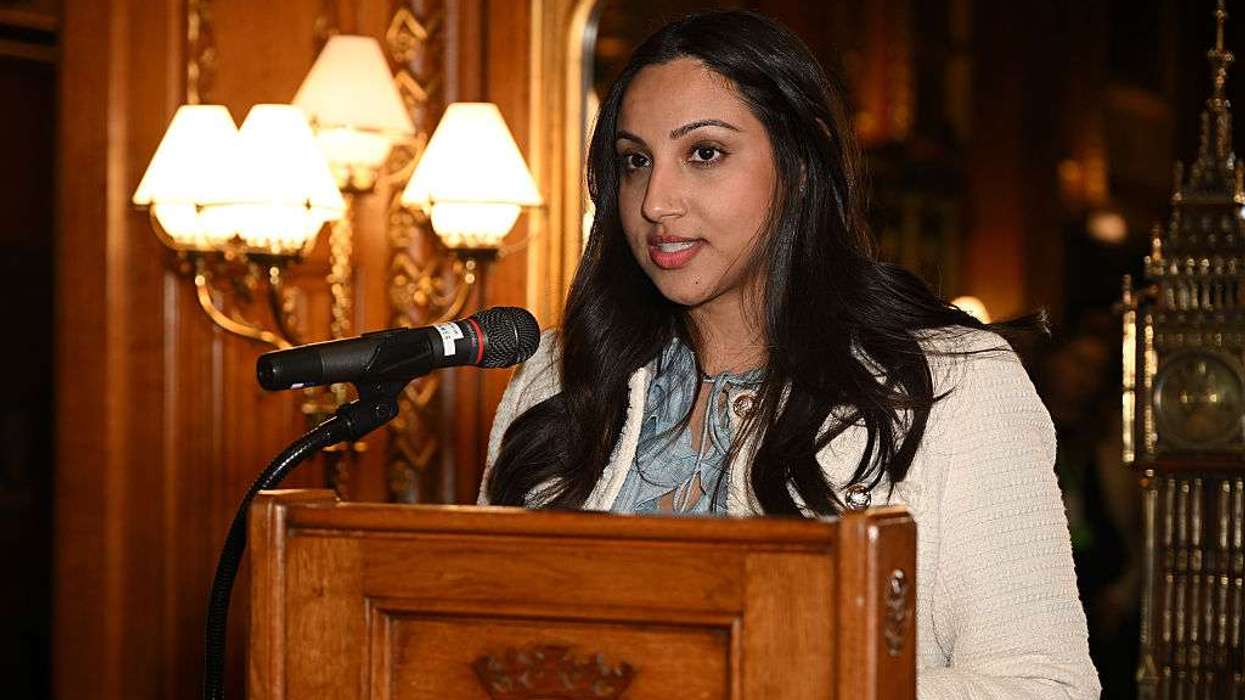
Conservative frontbencher Katie Lam challenged the government: "In January the home secretary said the government would conduct five local inquiries into the rape gangs which have terrorised so many innocent children. Over three months since the government announced these local inquiries, Tom Crowther KC, a barrister invited by the Home Office to help establish them, knows almost nothing about their progress, and neither do we."
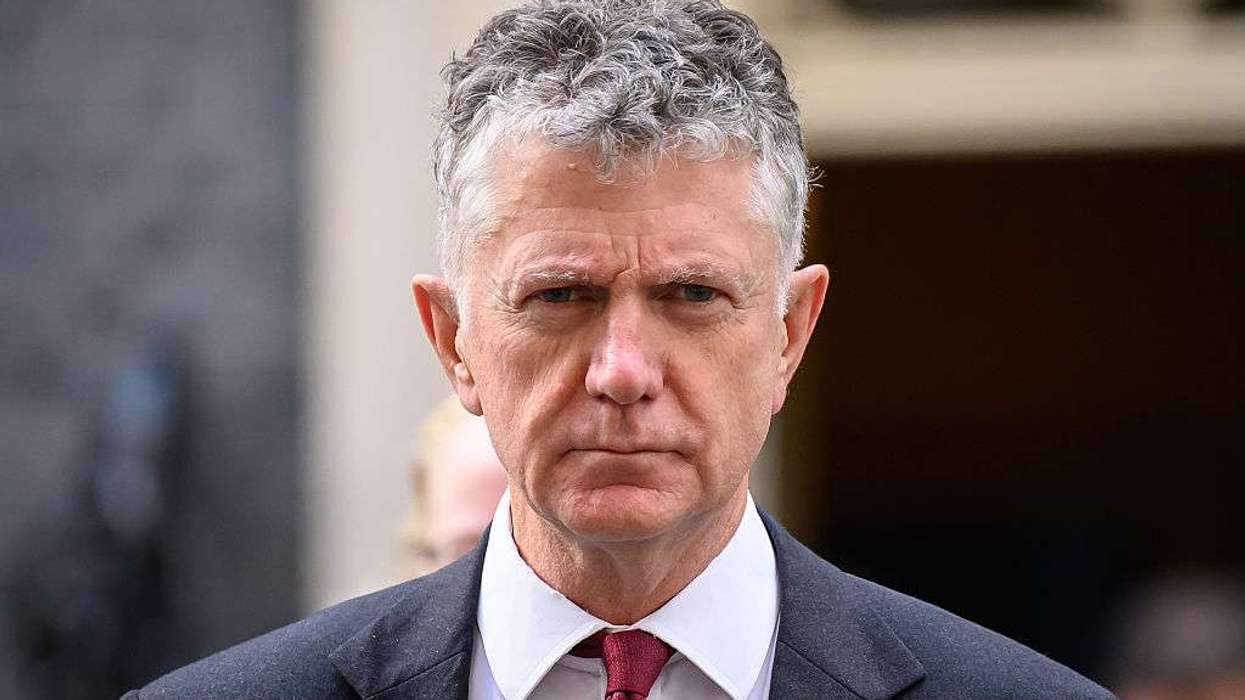
Fellow Tory MP Robbie Moore expressed his frustration, saying: "Here we are on the very last sitting day before the Easter recess and the government have all but admitted that no real progress whatsoever has been made on their promise to launch five local rape gang inquiries before Easter."
Phillips did confirm several other measures to combat child sexual abuse, including the establishment of a new child protection authority – addressing a key recommendation from the 2022 Independent Inquiry into Child Sexual Abuse (IICSA).
Professor Alexis Jay's comprehensive seven-year investigation described child sexual abuse as an "epidemic" across England and Wales and identified widespread institutional failings.
Additional measures announced include a new criminal offence for obstructing abuse reporting, doubled funding for adult survivors of child sexual abuse, and forthcoming improvements to therapeutic services for victims.
The announcement comes amid ongoing criticism over delays in implementing the IICSA's 20 recommendations, which include a national compensation scheme and mandatory reporting laws for people in positions of trust.