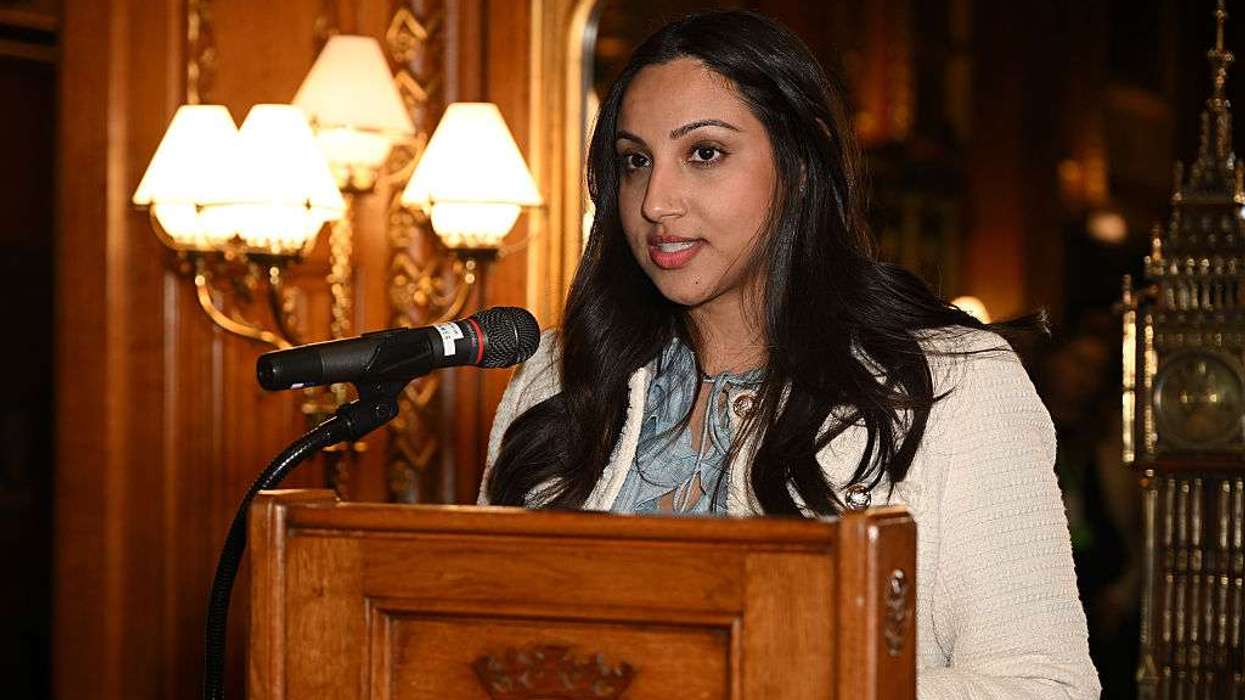
LEENA NAIR, who will become the new CEO of French fashion house Chanel in January, has joined a long list of Indian-origin corporate executives steering global brands.
She is the first female, first Asian and youngest-ever chief human resource officer at Unilever, the company she joined as a management trainee nearly 30 years ago and rose through the ranks.
On her new role, she said on Twitter, “I am humbled and honoured to be appointed the Global Chief Executive Officer of @CHANEL, an iconic and admired company”.
“I will always be a proud advocate of @Unilever and its ambition to make sustainable living commonplace,” she said of the brand she is leaving.
According to the British Indian, building a gender-balanced workplace has been one of her priorities and she strove to promote diversity and inclusion.
Born in 1969 in Kolhapur, a city in Maharashtra, India, Nair graduated in electronics and telecommunication at Walchand College of Engineering in nearby Sangli.
She obtained her master's degree in business management with a gold medal from the noted institute XLRI, before joining Hindustan Unilever, the Indian arm of the British consumer goods giant Unilever, in 1992.
Fifteen years later, she became the first woman to be appointed to the company’s south Asia leadership team, where she led the talent and organisation strategy.
An advocate of compassionate leadership and dreaming big, Nair was elevated as the chief HR officer and in 2016 became a member of the Unilever leadership executive, where she was responsible for the company’s human capital needs.
Nair speaks four languages English, Hindi, Marathi and Malayalam and said she feels her purpose is to “ignite the human spark to build a better business and a better world”.
Being “open to feedback” and constant learning has helped her in her time at Unilever, which has operations in 190 countries.
“I have always been open to feedback. Well, perhaps not from the start! After taking a few knocks along the way, I realised that I needed to hear feedback so that I didn’t continue to make the same mistakes. Being open to feedback and learning helps you take risks and be flexible,” she told Learnbly earlier this year.
Nair was previously a non-executive board member at British telecom company BT and a steering committee member of the World Economic Forum.
She has said it is important to “adapt to every culture”.
In November 2008, Nair witnessed terrorism from close quarters as she was caught up in Mumbai’s Taj Mahal hotel when it came under attack from armed militants.
“When terrorists attacked the Taj in Mumbai, I was stuck in the hotel with the Unilever senior team and my spouse. It was the hardest, most difficult night I have ever been through. Debris was constantly falling, and you could hear gunshots and screams throughout the night. You’re hiding in a corner of the room, desperately hoping that you’re not found…”
But she and her team escaped through a window, helped by a rescue team.