
- Channel 4 is expected to cut between 300 and 325 roles, around a quarter of its workforce.
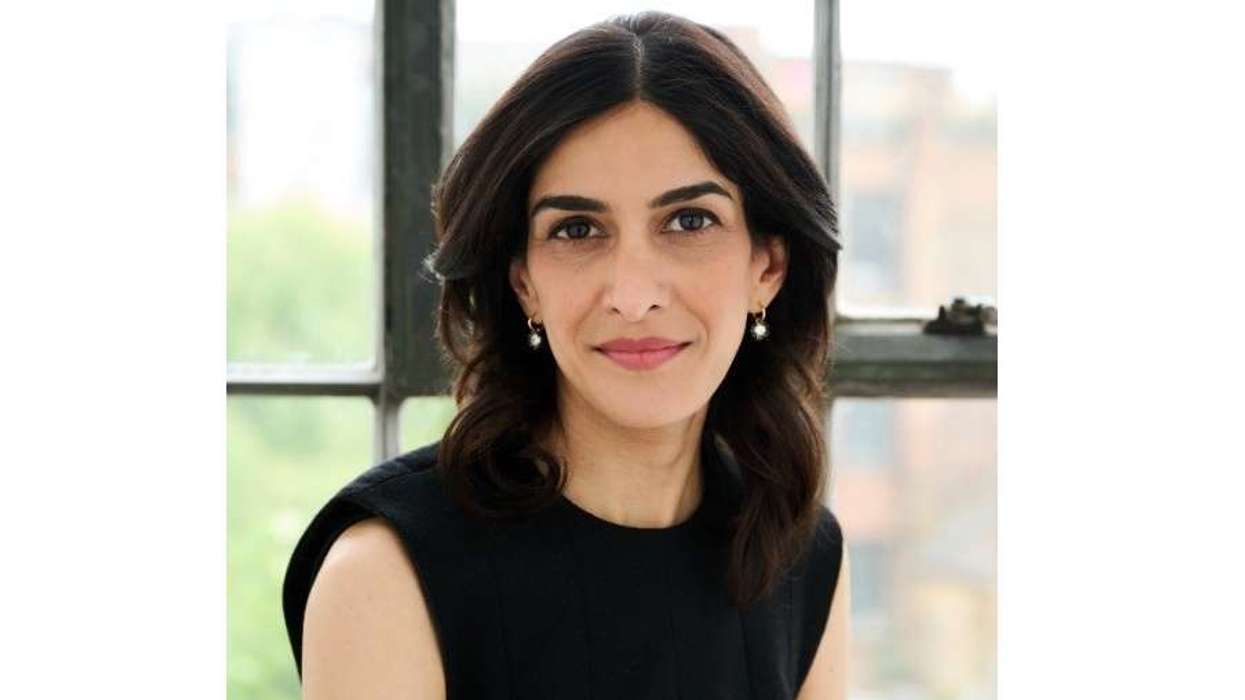
- The restructuring comes just months after Priya Dogra became chief executive.
- The cuts reflect a wider shift in how Channel 4 makes money and competes for audiences.
Channel 4 is preparing to cut around 300 jobs in one of the biggest redundancy rounds in its 43-year history, but the more important question is what the broadcaster is trying to become under new chief executive Priya Dogra.
The broadcaster is expected to remove between 300 and 325 positions, equivalent to roughly a quarter of its workforce. Channel 4 had an average headcount of 1,276 in 2025.
The scale of the cuts makes this more than another round of cost-cutting. They come just months after Dogra took over as chief executive in March, following her time as president and managing director at Warner Bros. Discovery.
Dogra is also a familiar name within the Asian business community. She was included in the 2026 GG2 Power List, which recognises influential figures from Britain’s diverse communities.
Channel 4 has not officially confirmed the number of jobs at risk. A spokesperson said the broadcaster was carrying out a comprehensive review of the “structure, shape and size” of the organisation and would update staff before commenting publicly on speculation.
Why is Channel 4 changing now?
The broadcaster is operating in a television market that looks very different from the one Channel 4 was built for.
Traditional television remains important, but audiences are increasingly moving towards streaming and digital platforms, where Channel 4 competes not only with broadcasters such as the BBC and ITV but also with global platforms and social media services.
Channel 4’s own figures show that shift. Streaming viewing increased in 2025, while digital advertising revenue reached £346m. The challenge is turning that growing digital audience into a business model strong enough to replace the advertising power of traditional television.
That helps explain why a workforce reduction can sit alongside a strategy focused on growth. The issue is not simply how much content Channel 4 produces, but how efficiently it can produce, distribute and monetise that content as viewing habits change.
The broadcaster has already gone through significant restructuring. Almost two years ago, around 200 jobs were cut under former chief executive Alex Mahon.
Dogra’s review therefore comes at a time when Channel 4 is trying to reshape itself again rather than simply returning to the old broadcasting model.
Why could London take the biggest hit?
One of the more striking elements of the reported plans is where the cuts could fall.
London-based positions are expected to be particularly exposed as Channel 4 continues its push to expand its presence in the nations and regions. The broadcaster has spent years moving parts of its operation outside London, including establishing major bases in Leeds, Glasgow and Bristol.
That creates an unusual situation. Channel 4 could be reducing its overall workforce while simultaneously trying to build a different geographical footprint.
For Dogra, that means the restructuring is not simply about making Channel 4 smaller. It is also about deciding where the broadcaster needs people and what those people should be doing.
The comparison with the BBC is also revealing. The BBC announced plans to cut around 2,000 jobs as part of efforts to reduce its workforce, reflecting the financial pressure facing large British broadcasters.
But Channel 4 has a different model. Unlike the BBC, it does not receive the licence fee and is commercially funded, meaning advertising conditions and audience behaviour have a direct impact on its finances.
The coming months will therefore show whether Dogra’s answer is to make Channel 4 leaner, more digital and more regionally distributed, while protecting its ability to compete for audiences.
For the staff facing redundancy, that strategic transformation means something much more immediate: hundreds of jobs could disappear as the new chief executive decides what Channel 4 needs to look like next.