
BT will remove diversity, equity, and inclusion (DEI) targets from its manager bonus scheme, replacing them with a measure of overall employee engagement.
The change, set to take effect in April, follows consultation with major investors and has received “strong support,” according to the company, The Telegraph reported.
Currently, 10 per cent of the annual bonuses for up to 37,400 managers are based on representation targets for women, ethnic minorities, and disabled employees, along with engagement levels among under-represented groups. Under the new system, employee engagement will be assessed across all staff.
BT CEO Allison Kirkby, who has been working on the change as part of a strategic overhaul, told the newspaper that she remains committed to diversity. “I believe we need to be as diverse as the customers we service, to be the customer-centric company we aspire to be, and to be able to live up to our purpose,” she said.
The move comes as some major US companies, including Meta and McDonald’s, adjust their DEI policies. Kirkby said, “It sends the message that these things are optional, temporary or not worth prioritising. I want to be absolutely clear: that’s not what we believe at BT.”
Despite the changes, BT will maintain its broader diversity targets, including a goal for 25 per cent of its UK workforce to come from ethnic minority backgrounds by 2030. The top 550 senior managers will still have DEI measures included in their personal bonus calculations.
A BT spokesperson stated: “We remain committed to our inclusion and representation targets and are making good progress towards them.”
Meanwhile, bankers and investors are urging the Financial Conduct Authority (FCA) to reconsider its diversity targets for companies, citing concerns over increased regulatory burdens.
Some Conservative frontbench members have warned Chancellor Rachel Reeves that the initiative could cost the City up to £1 billion, The Telegraph reported.
BlackRock, BT’s fifth-largest shareholder with a 3.8 per cent stake, has also faced scrutiny over its DEI policies.
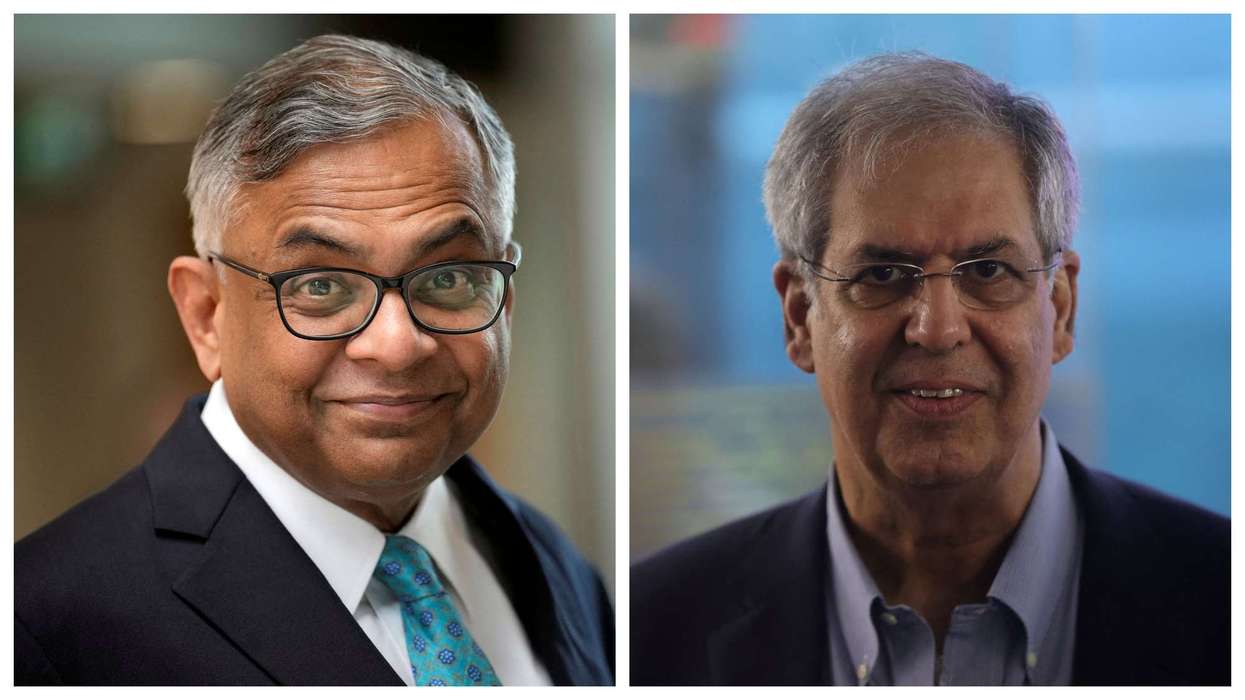
BT executives are scheduled to meet Indian billionaire Sunil Bharti Mittal, the company’s largest shareholder with a nearly 25 per cent stake.
While the meetings are said to be routine, they highlight Mittal’s influence over the company. BT recently reported financial results reflecting increased competition in the broadband sector.