
- British Steel is costing taxpayers about £1.3 million a day, according to the Public Accounts Committee.
- The government had provided £555 million in funding by June, while spending was expected to reach £642 million by the end of June.
- MPs say there is still no credible plan for the company’s long-term business model, decarbonisation or finances.
Britain’s decision to rescue British Steel was meant to buy time. More than a year later, MPs are asking what that time has actually bought.
The Public Accounts Committee (PAC) has warned that the government still has no credible plan for how the publicly owned steelmaker will become financially sustainable, while taxpayers continue to spend about £1.3 million a day keeping it going.
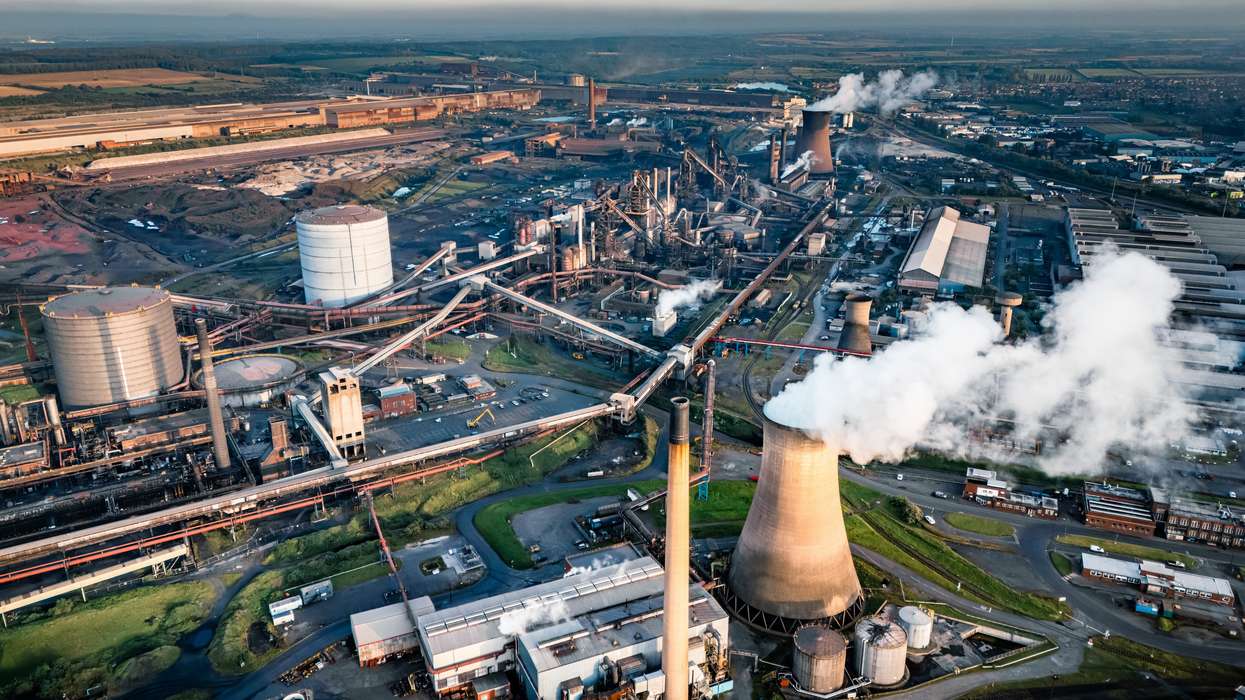
The government intervened in April 2025 using emergency legislation to prevent the closure of British Steel’s blast furnaces at Scunthorpe. The move was intended to protect a critical part of Britain’s industrial capacity and avoid the immediate loss of jobs and steelmaking capability.
But the PAC says that intervention “bought time rather than providing a solution”.
More than a year later, the committee says the government has been unable to explain what business model or decarbonisation pathway would put British Steel on a sustainable footing.
That leaves a basic question hanging over the rescue: how long can taxpayers keep funding a company without knowing what the endgame is?
The bill keeps growing
The scale of public spending has already become significant.
By June 18, the Department for Business, Innovation and Trade had provided £555 million in funding for working capital, including raw materials and workers’ salaries. Spending was expected to reach £642 million by June 30, including the cost of advisers.
The PAC says the government was unable to provide even indicative estimates of the eventual cost to taxpayers, including how much investment might be required to transform the company, how much could be spent on advisers and how long public funding would continue.
It warned that taxpayers remain exposed to “significant and growing costs and uncertainty” and that it is unclear whether the money will ever be recovered.
Clive Betts, deputy chair of the PAC, said the government's decision to save British Steel was welcome because of the company's importance to national infrastructure and security.
But he said the intervention was only the beginning.
“Having brought British Steel onto the taxpayers’ books, it is now up to government to explain its plan for its future,” he said.
The committee has called for the government to publish a plan covering the whole company, reduce its reliance on advisers and set out a clear future direction.
Why British Steel matters
The argument is not simply about keeping one loss-making company alive.
British Steel employed 4,052 permanent staff in January 2026 and has an annual production capacity of three million tonnes. Its Scunthorpe site is home to the UK's last remaining blast furnaces. The company also supplies 80 per cent of Network Rail's steel requirements under a £500 million contract.
That gives the government a national-security and infrastructure argument for remaining involved.
The government says securing the long-term future of the UK steel sector is in the national interest and that public and private investment will be needed. It has also appointed a new board and chair and says its wider Steel Strategy is intended to build a sustainable, competitive and decarbonised industry.
But the PAC says the government still needs to spell out what that actually means for British Steel.
There is also uncertainty over the future of its 4,052 employees.
The company's long-term direction is complicated by the cost of decarbonisation, global competition and changing trade rules. The PAC has also raised concerns about new tariffs on imported steel, noting that the government could not rule out the possibility that higher costs could put some smaller firms out of business.
Meanwhile, the government still has to decide how much public money it is prepared to commit to transforming British Steel and whether that investment can ultimately produce a commercially sustainable business.
For now, the immediate crisis has been contained. The blast furnaces were kept open and the company remains in public ownership.
But that is not the same as solving the underlying problem.
The PAC's warning is essentially that the rescue cannot become the strategy itself. Britain has bought time for its steel industry. MPs now want to know what the government plans to do with it.