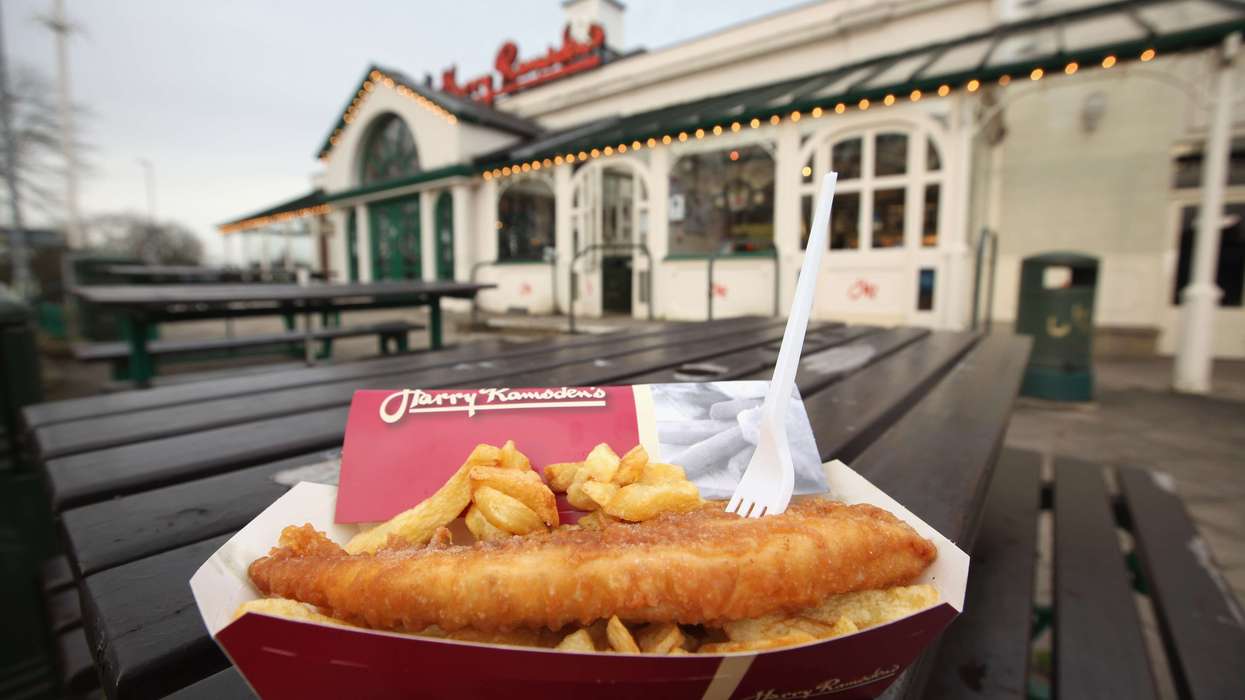

- Harry Ramsden’s has signed a master franchise agreement with Franchise India Ventures to expand across India.
- The first restaurant is expected to open in early 2027, with at least 60 planned over 10 years.
- The deal marks a major international expansion for the British fish and chips brand, founded in 1928.
One of Britain's most recognisable food traditions is heading to India.
Harry Ramsden’s, the British restaurant brand known for its traditional fish and chips, has signed a master franchise agreement with Franchise India Ventures to launch and expand across the Indian market.
The partnership will see at least 60 Harry Ramsden’s restaurants planned across India over the next 10 years, with the first expected to open in early 2027.
Founded in 1928, Harry Ramsden’s has spent almost a century building its reputation around fish and chips, a dish closely associated with British food culture.
The India expansion will be led by Franchise India Ventures, which will use its knowledge of the country's restaurant and franchise market to develop the brand.
For Harry Ramsden’s, the deal represents a significant step in its international expansion strategy, with the company choosing to work with an established local operator rather than build its Indian network alone.
From British favourite to Indian market
The challenge will be taking a food concept strongly associated with Britain and introducing it to one of the world's largest and fastest-growing consumer markets.
Harry Ramsden’s said the partnership is designed to combine its brand heritage and restaurant expertise with Franchise India Ventures' understanding of local consumers and the Indian franchise sector.
James Fleming, CEO of Harry Ramsden’s, said India represented an "incredibly exciting market" for the business.
“With a commitment to open at least 60 restaurants over the next decade, this is a substantial long-term partnership and one that demonstrates the international potential of the Harry Ramsden’s brand,” he said.
The company has not yet disclosed the locations of the first Indian restaurants or details of how its menu will be adapted for local customers.
The agreement comes as established British food and restaurant brands continue to look overseas for growth, particularly through franchise partnerships that allow them to expand without having to build and operate every location themselves.
For Harry Ramsden’s, the Indian rollout will put a distinctly British dish in front of a new audience, almost 100 years after the brand first began serving fish and chips in the UK.