
- British Airways fares could rise by around 8 per cent as fuel costs surge.
- IAG’s annual fuel bill is expected to jump to £7.7bn from £6.1bn.
- The airline group says the Iran conflict is creating fresh pressure on profits and operations.
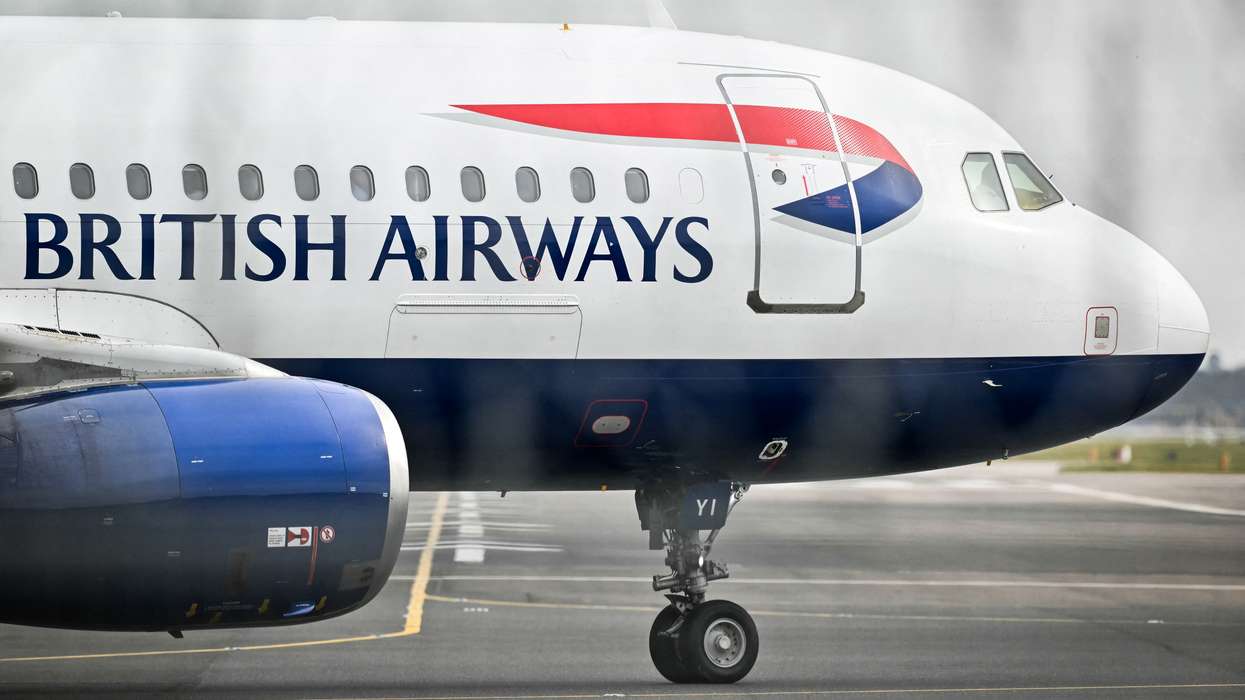
British Airways passengers could soon face higher ticket prices as the airline’s parent company moves to offset a sharp rise in fuel costs linked to the conflict in West Asia.
International Airlines Group, the owner of British Airways, said its fuel bill for the year is now expected to reach about €9bn (£7.7bn), up from an earlier forecast of €7.1bn (£6.1bn). The group warned that the spike in jet fuel prices would weigh on profits despite efforts to recover part of the additional costs through fare increases and tighter cost controls.
The company said around 70 per cent of its fuel supply had already been hedged, helping shield it from the full impact of rising prices since the Iran conflict escalated. Even so, IAG expects to claw back roughly 60 per cent of the extra €2bn (£1.7bn) fuel burden through what it described as “revenue and cost management actions”.
For British Airways, that could mean fare increases of around 8 per cent based on projected 2025 revenues.
Premium passengers likely to feel it first
IAG chief executive Luis Gallego suggested British Airways customers may see larger fare increases than passengers flying with some of the group’s budget airlines.
“Unfortunately, for example, BA that is a more premium brand, they are going to have a higher pass-through compared, for example, with Vueling,” he said as quoted in a news report.
The airline group also owns Aer Lingus, Iberia, Vueling and Level.
Gallego reportedly said the company was “actively managing the uncertainty created by the fuel price increase and its impact”, adding that action was being taken on pricing, costs and flight capacity.
Still, he acknowledged that profits would likely fall short of earlier expectations because of the fuel market shock.
“The impact of the higher fuel price will inevitably lead to lower profit this year than we originally anticipated,” he said.
Summer schedules under pressure
The aviation industry has been closely watching fuel supply risks as tensions continue around the Strait of Hormuz, one of the world’s most important oil shipping routes.
Concerns over fuel availability have already pushed airlines in the UK to lobby for greater flexibility around airport slot rules, allowing carriers to cancel more flights without risking valuable take-off and landing rights.
Despite those concerns, British Airways chief executive Sean Doyle said the airline still expected to operate its planned summer schedule.
He reportedly said the airline was shifting capacity away from weaker markets in the Middle East and moving aircraft towards destinations where demand remained stronger.
Doyle also suggested British Airways may be in a stronger position than some rivals if fuel shortages become more severe, pointing to investments in fuel storage infrastructure and direct supply links from ports and refineries.
Nicholas Cadbury, IAG’s chief financial officer, said the group had made “significant investments” in fuel depots and fleet infrastructure in the UK.
Meanwhile, Gallego said concerns around fuel supply in Asia had eased somewhat as countries in the region built up reserves.
“We expect to fly everything we have in the schedule for the summer,” he reportedly said.