
- UK new car registrations rose 11.7 per cent in July 2026, marking the eighth consecutive month of growth.
- Battery electric vehicle registrations jumped 44.5 per cent year on year.
- Industry leaders warn the growth is being fuelled by costly discounts that may not be sustainable.
The UK new car market recorded its strongest July in six years, with electric vehicles leading the recovery as buyers took advantage of a wider choice of models, government incentives and manufacturer discounts.
According to the Society of Motor Manufacturers and Traders (SMMT), 156,571 new cars were registered in July 2026, up 11.7 per cent from the same month last year. The performance marks the market's best July since 2019 and extends the industry's run of year-on-year growth to eight consecutive months.
Electric vehicles continue to drive demand
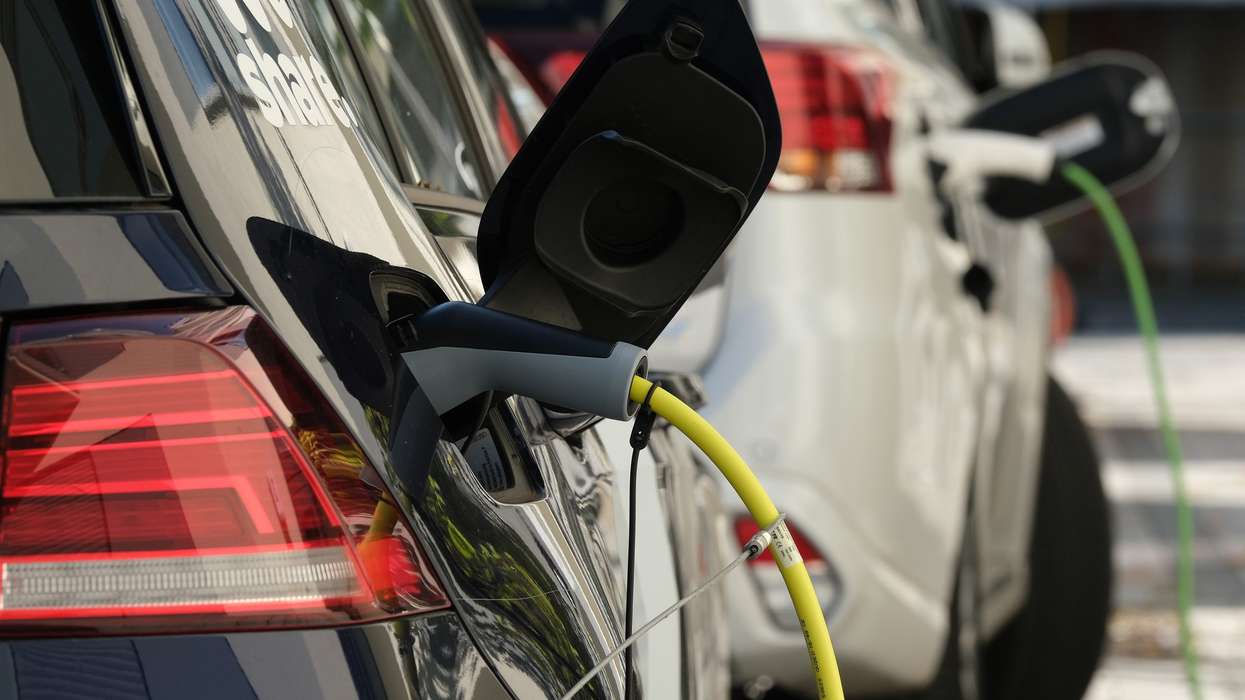
The biggest contributor to July's growth was the continued rise in electric vehicle sales.
Registrations of battery electric vehicles (BEVs) increased 44.5 per cent compared with July 2025, when demand had softened ahead of the introduction of government purchase grants. The SMMT said stronger demand reflected a broader range of models, financial incentives for buyers and substantial discounts offered by manufacturers.
The latest figures also suggest electric vehicles are becoming a more mainstream choice for British motorists. Ian Plummer, chief customer officer at online vehicle marketplace Autotrader, reportedly said that for the first time, one in every two new car enquiries on the platform during July was for a plug-in vehicle.
He also reportedly said higher fuel costs following recent geopolitical tensions had encouraged more buyers to consider lower-cost alternatives such as electric vehicles.
Industry warns growth may not be sustainable
Despite the strong sales figures, the industry says maintaining this momentum could become increasingly difficult.
Mike Hawes, chief executive of the SMMT, reportedly described July's electric vehicle performance as a major milestone reflecting years of investment in zero-emission technology. However, he warned that manufacturers are absorbing billions of pounds in discounts to boost EV sales and avoid penalties under the Government's Zero Emission Vehicle (ZEV) Mandate.
The policy requires 33 per cent of each manufacturer's new car sales in 2026 to be zero-emission vehicles, a target that generally means fully electric models.
Hawes reportedly said the industry's commitment to decarbonisation remains strong, but argued that continued heavy discounting is putting pressure on manufacturers' financial viability and could affect future investment in the UK's automotive sector. He called for urgent reforms to the current regulations, warning that failing to act could undermine Britain's competitiveness and threaten jobs across the industry.
While the latest figures point to a healthy recovery in the new car market, the industry's message is that sustaining growth will depend not only on rising consumer demand, but also on creating conditions that allow manufacturers to remain profitable as the transition to electric vehicles accelerates.