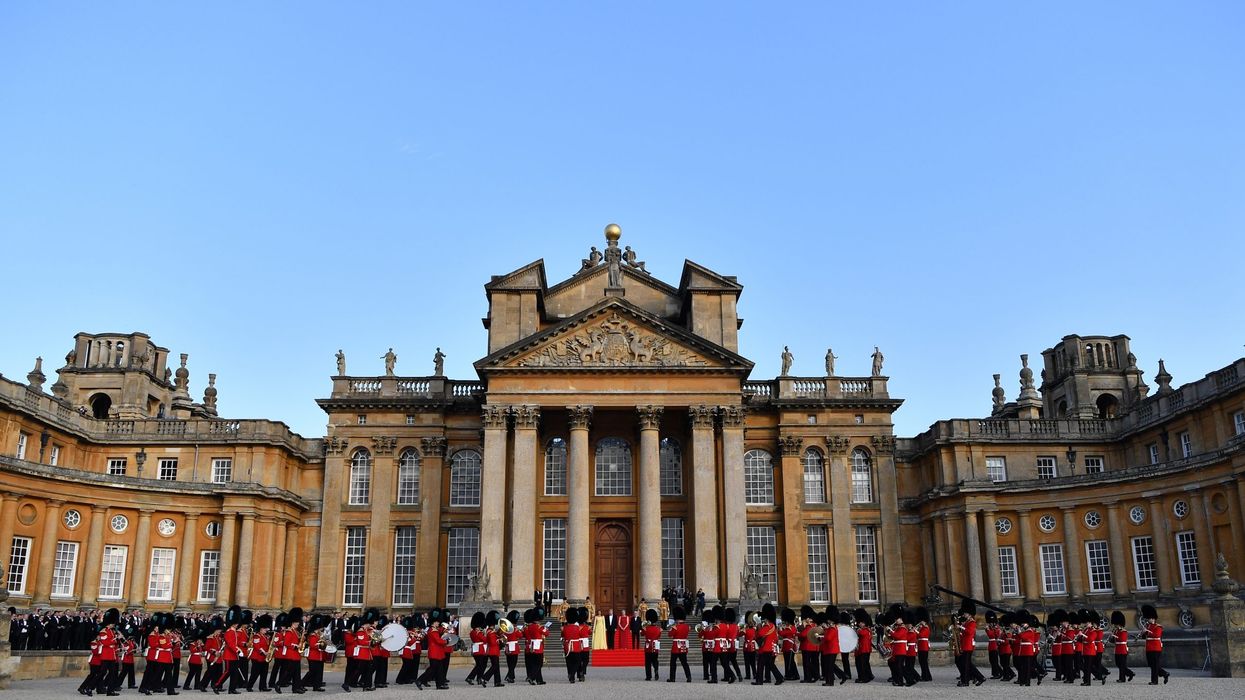

BLENHEIM Palace has renamed the famous “Indian room” in Winston Churchill’s ancestral home in time for the upcoming new exhibition titled Greatest Briton. The step has been taken to avoid controversy over any colonial links.
“We didn’t want to provoke controversy,” operations director Heather Carter told The Daily Telegraph. “We have changed the name of the room. It’s not the Indian Room, it’s now the Summer Terrace Room. It’s about making it more accessible.”
The wartime leader was born on the estate in 1874. This estate was a gift to his ancestor General John Churchill, 1st Duke of Marlborough, for his victory at Blenheim during the War of the Spanish Succession. The palace continued to remain a regular destination during his school holidays and later for house parties.
The other attraction of the exhibition are props including a waxwork sculpture of the former prime minister, and a tent similar to the one he would have used during the Boer War to offer a personal history of the leader and his links to Blenheim. The exhibition will be open to the public from May 17.
The suite, which overlooks the beautiful garden, was said to get its name as Indian room owing to its Raj-themed wallpaper depicting a tiger hunt.
Churchill’s legacy came under the scanner last year when his Parliament Square statue was daubed with the word "racist," soon after which the National Trust promised to address his alleged role in the Bengal Famine which left up to three million Indians dead. Some academics and historians also claimed he was a “white supremacist” and “worse than the Nazis.”
“We don't go deeply into all the politics and the controversy,” Carter said. “He won a great war, he was a hero. That is how we see him. This is a celebration.”