THE co-founder of BioNTech Ugur Sahin has voiced confidence that the vaccine that his company jointly developed with Pfizer works against the Indian variant of the coronavirus.
"We are still testing the Indian variant, but the Indian variant has mutations that we have already tested for and which our vaccine works against, so I am confident," said Sahin.
"The vaccine is cleverly built and I'm convinced the bulwark will hold. And if we have to strengthen the bulwark again, then we will do it, that I'm not worried about."
India is facing surging new cases and deaths in the pandemic, and fears are rising that the variant could be contributing to the unfolding catastrophe.
The World Health Organization has said the B.1.617 variant of Covid-19 first found in India had been detected in 'at least 17 countries'.
The health agency recently listed B.1.617 -- which counts several sub-lineages with slightly different mutations and characteristics -- as a 'variant of interest'.
But so far it has stopped short of declaring it a "variant of concern", which would have indicated that it is more dangerous than the original version of the virus by, for instance, being more transmissible, deadly or able to dodge vaccine protections.
The BioNTech-Pfizer vaccine was the first to win authorisation in the West, and has since been deployed in dozens of countries worldwide.
Giving an update of the authorisation process in China, Sahin said approval was 'very possible in July'.
"We are almost through with all questions," he said.



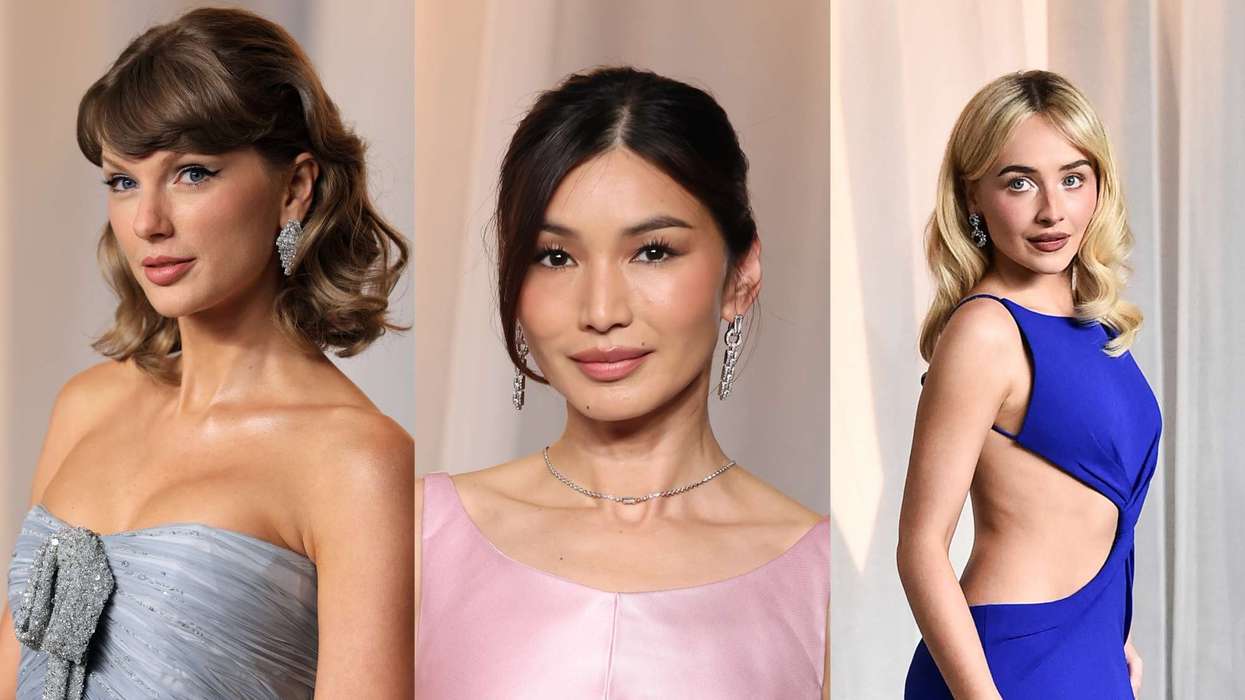
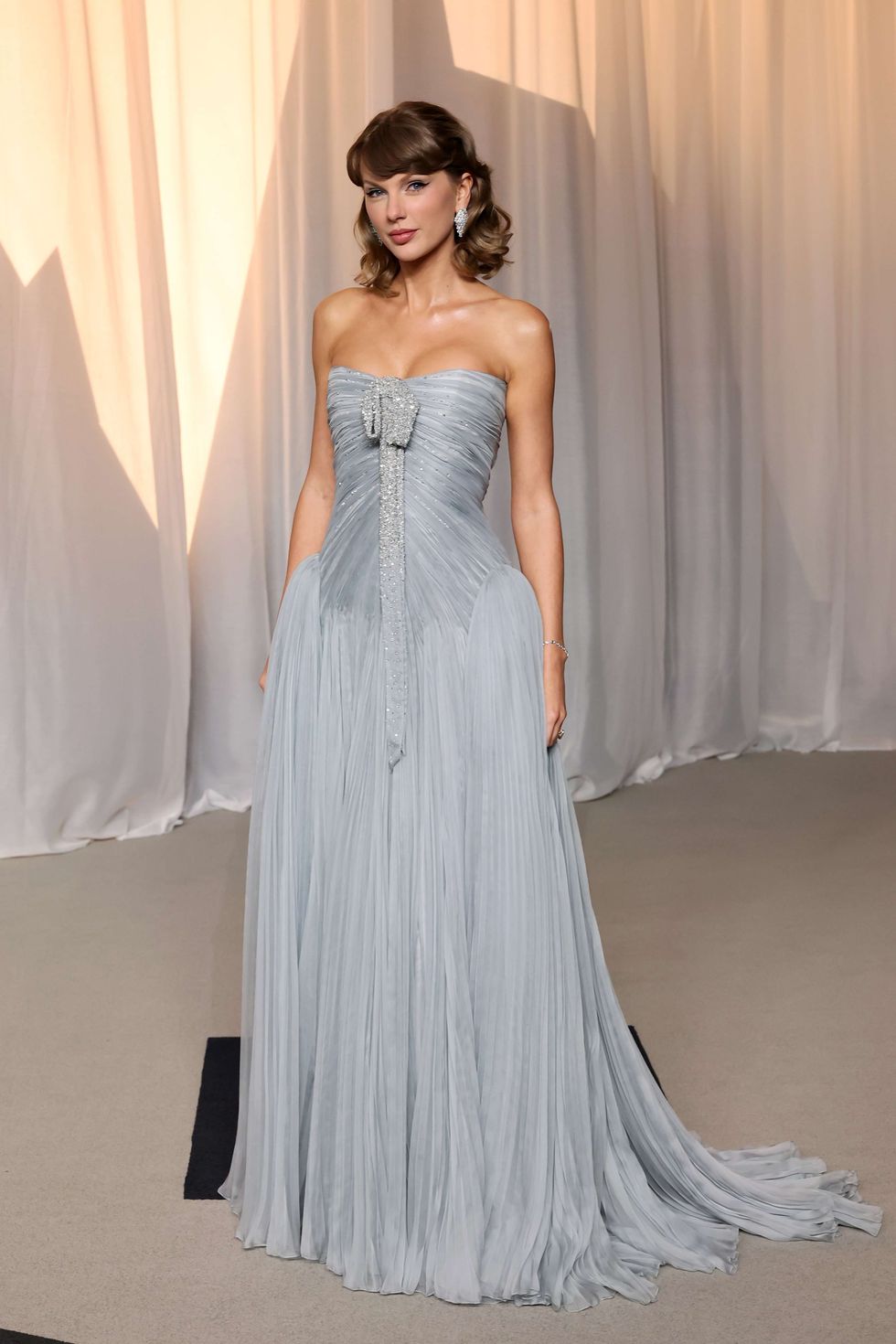 Taylor Swift opted for a strapless Dior gownGetty Images
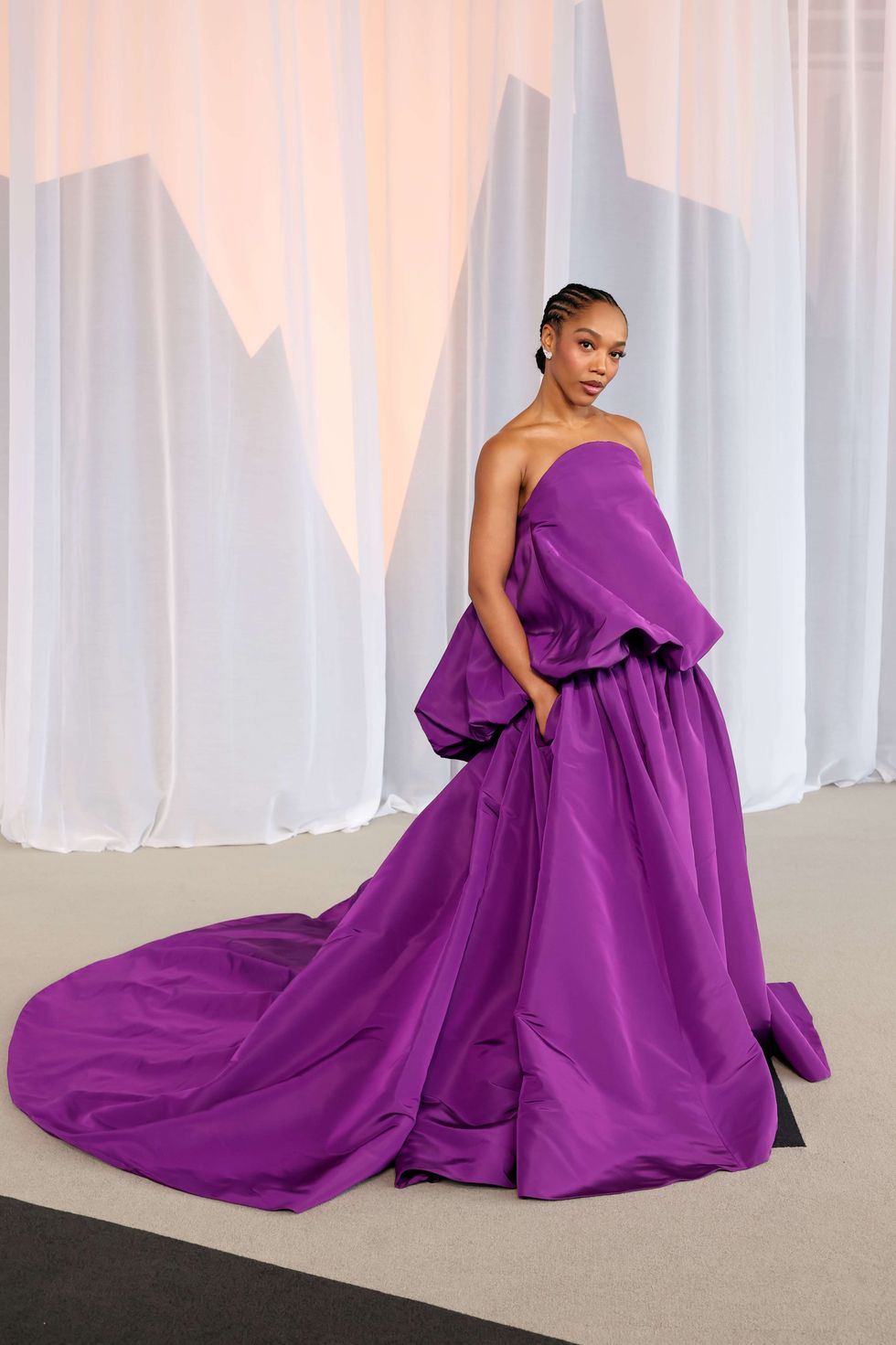 Naomi Ackie stood out in a custom aubergine Balenciaga gown Getty Images
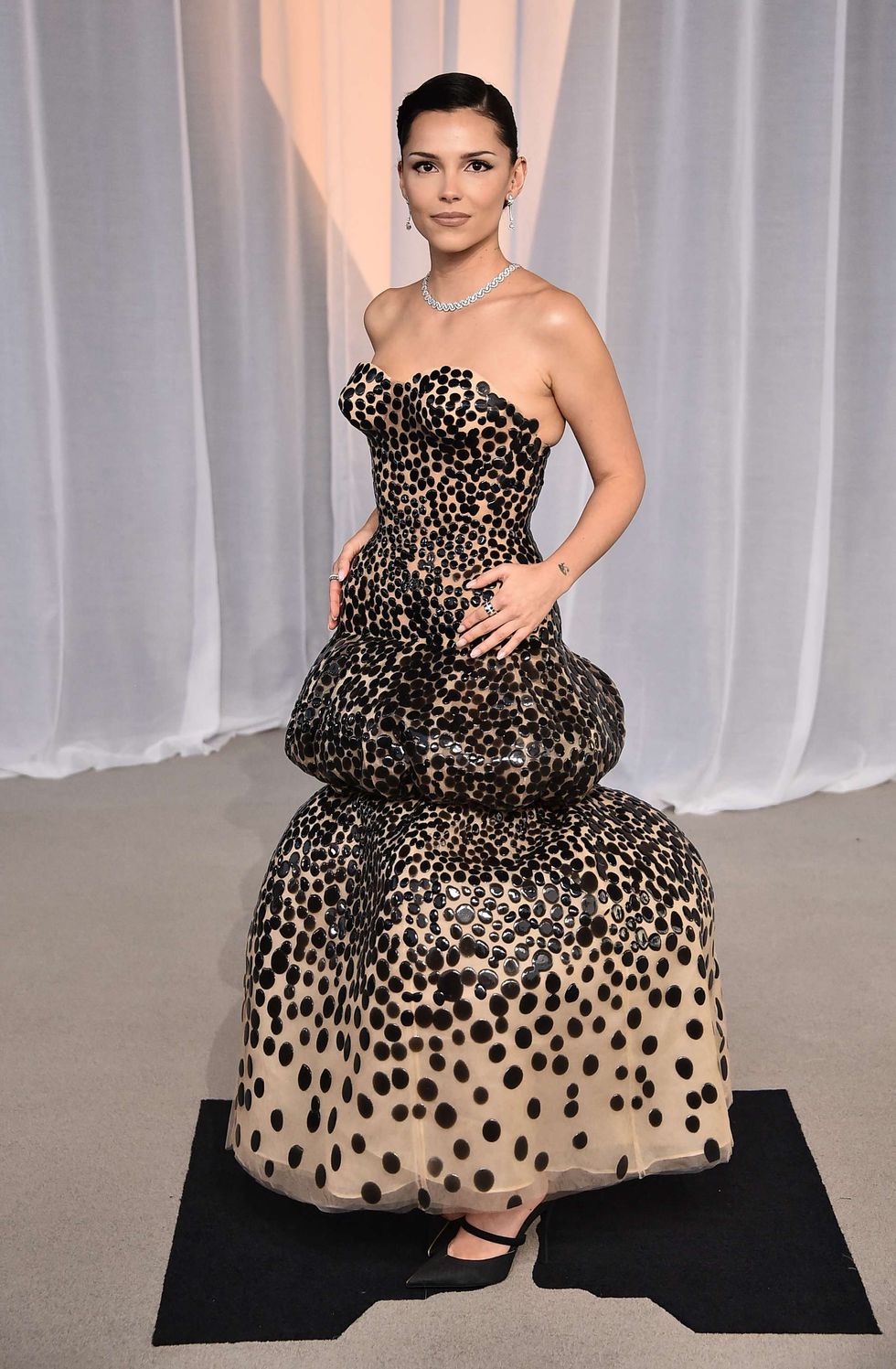 Inde NavarretteGetty Images
 Sabrina CarpenterGetty Images
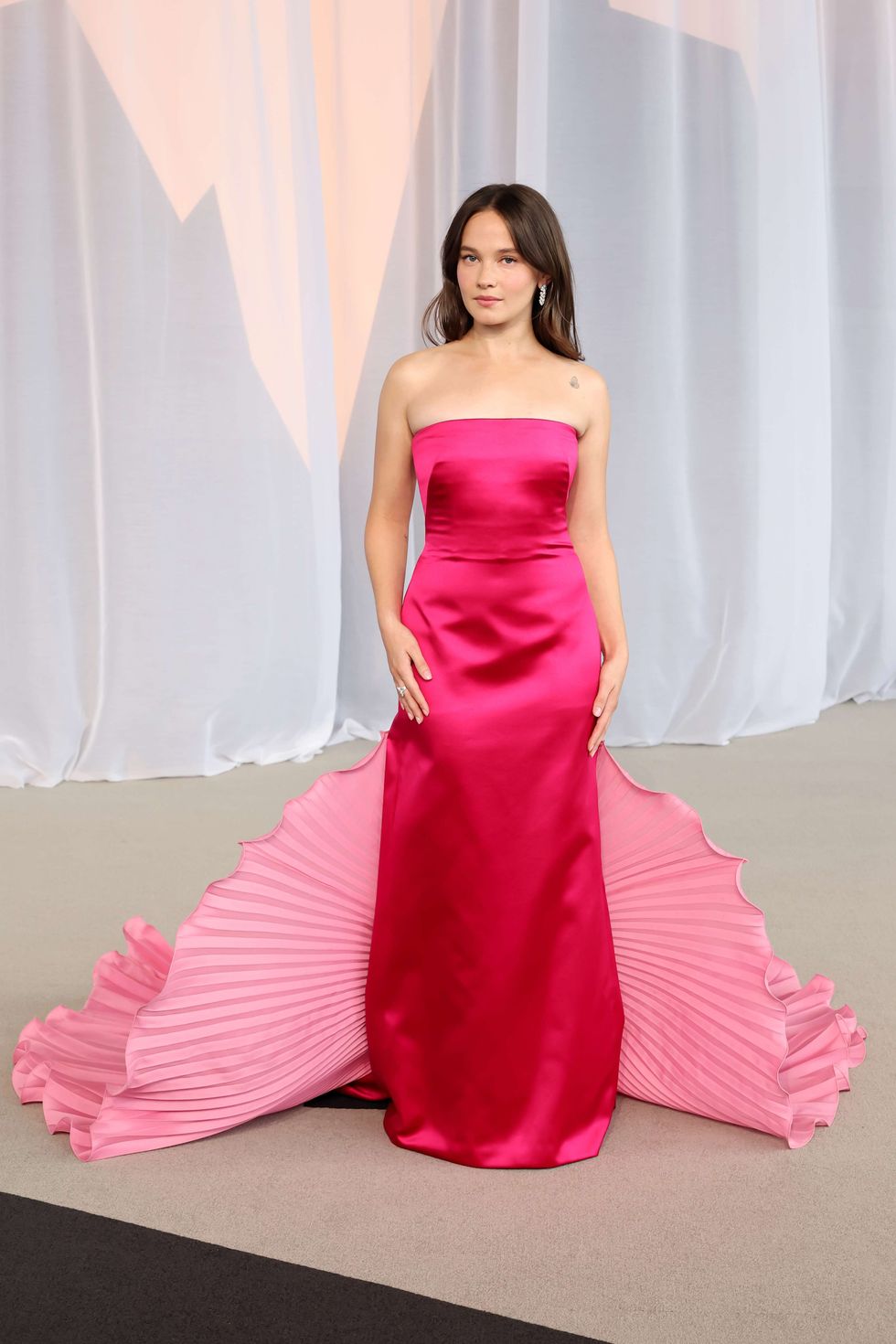 Cailee SpaenyGetty Images
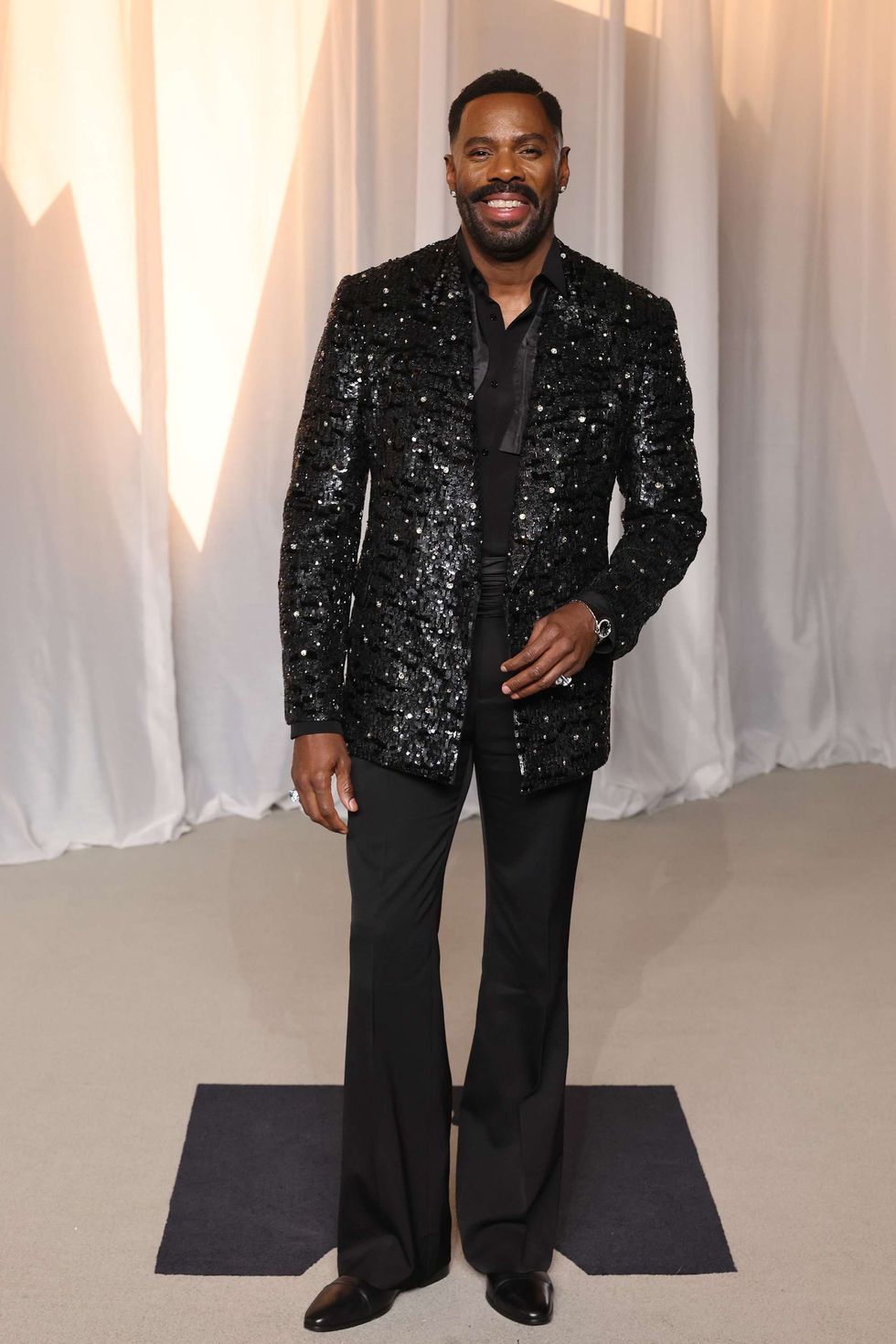 Colman DomingoGetty Images
 Gemma Chan took a more understated approach in a pink silk gabardine dress by PradaGetty Images
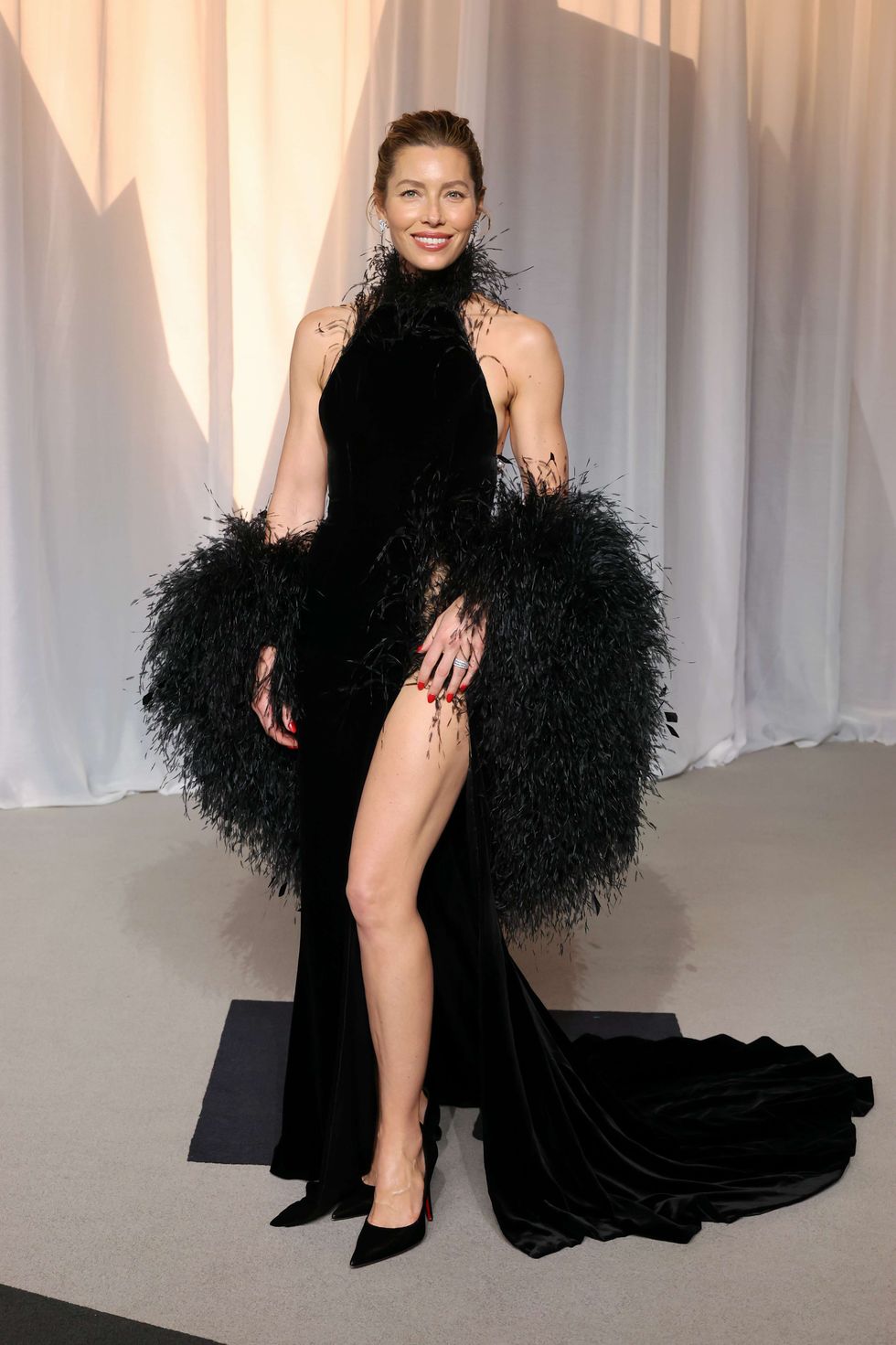 Jessica BielGetty Images
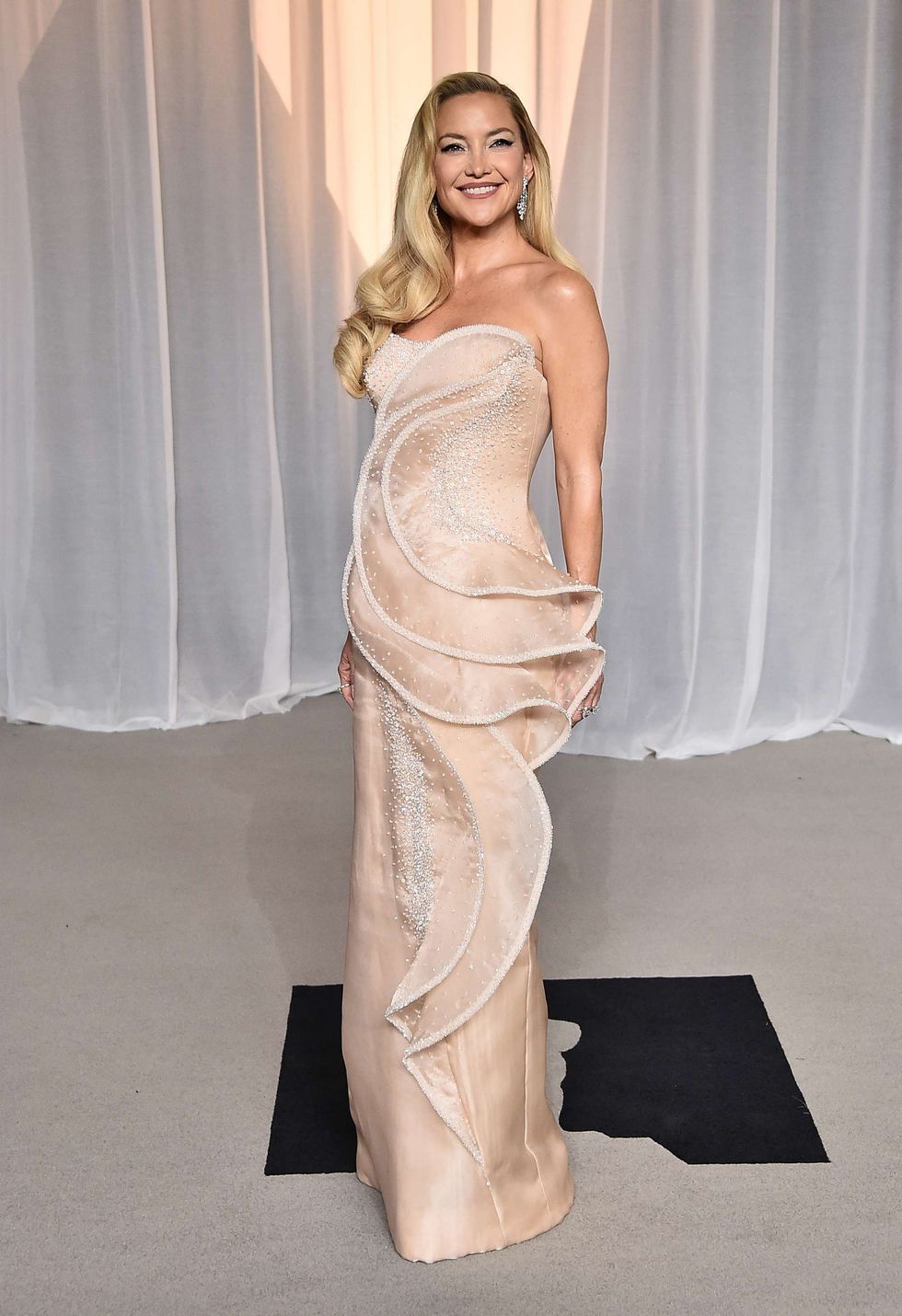 Kate HudsonGetty Images
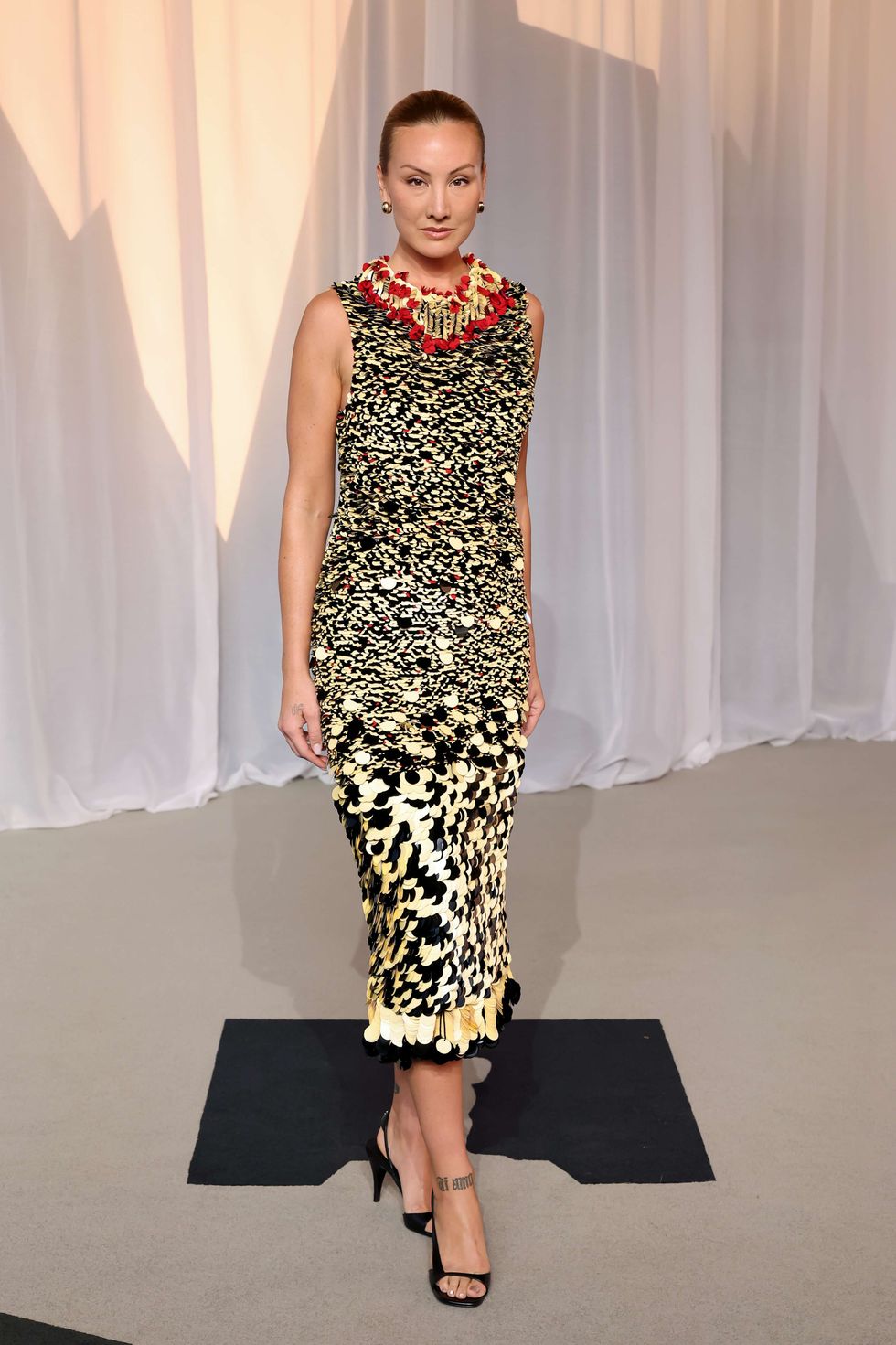 Miyako BellizziGetty Images