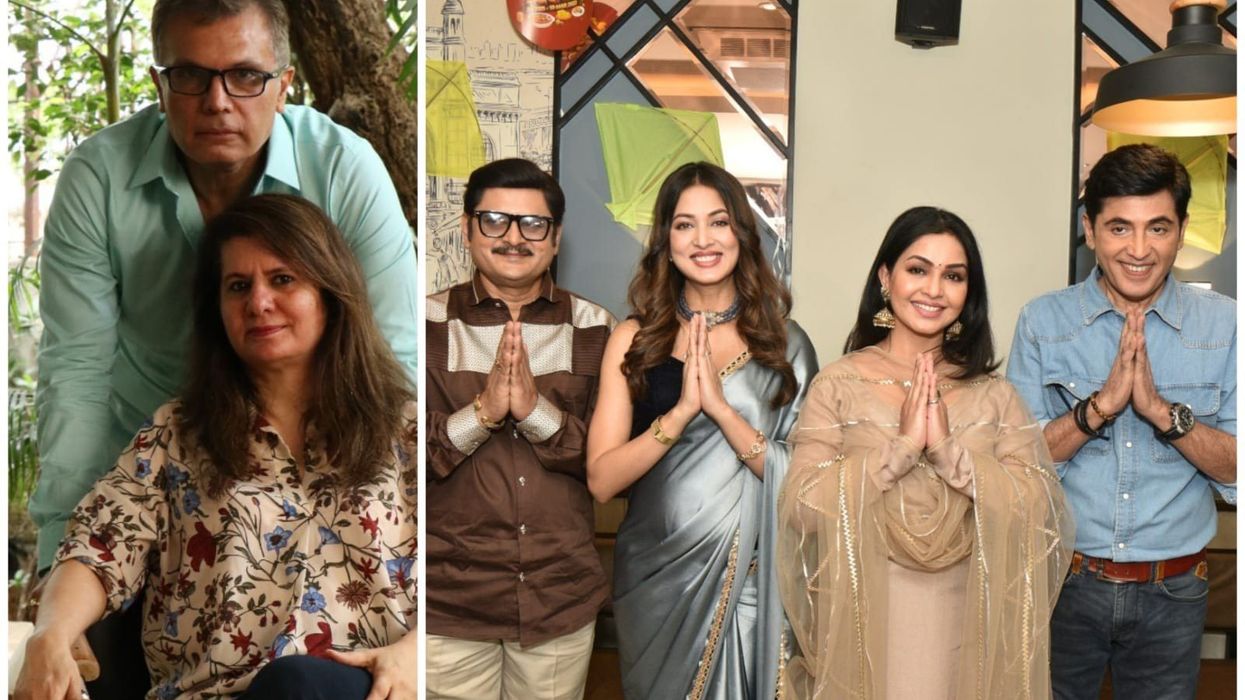

Female characters on Indian television have evolved considerably over the past few years. Stories have become realistic, and so are the parts. Producer Binaiferr Kohli, known for TV shows such as Bhabij Ghar Par Hain, May I Come In Madam, Excuse Me Madam, and Happu Ki Ultan Paltan talks about this change.
“The role of women on TV has evolved of course, but it can’t evolve 360 degrees. It has changed going by the parameters of our culture and traditions. We see a lot of strong women on screen, and I feel there is much more to explore,” she says.
Female characters are progressive too. “Even in Anupama, she is shown to be progressive, making her own decisions and sticking to them. Then in Bhabiji….in spite of being a housewife she has tried various businesses and succeeded, and encouraged by her neighbours Anita, the men in her life, be it Tiwari Ji or Vibuti Ji or Tika Tillu. She has a strong mind of her own and she does follow that,” she adds.
About shows that glorified women empowerment, Binaiferr says, “Bhabiji Ghar Par Hai and Anupama are the shows where women have been glorified in a positive way. Even simple women like Angoori Bhabi and Anupama are being encouraged by the men in their lives to start something of their own and even turn into a detective. Bhabiji strives to do various things whether it’s dancing or acting and is always encouraged.”
Infinite shows such as Anupama, Bhabiji…have created history and set role models like that of Shanti, Swabhimaan, Kyunki Saas Bhi Kabhi Bahu Thi, Kahaani Ghar Ghar Ki, Kkusum and Heena. “Bhabi Ji and Anupama have created benchmarks and inspired many. They are experimenting with different things and are carrying their own ideologies forward,” she adds.
Binaiferr shares that women get influenced by these strong onscreen characters and consider them as their heroes. “When they see the underdog succeeding and making their own decisions and coming forward as a winner, fulfilling their aspirations and dreams of achieving what they want, they feel inspired. Women see these characters as their heroes and get influenced by them in a good way,” she explains.