
TOP TIPS AND USEFUL ADVICE FOR THE NEW NORMAL
Lockdown restrictions being lifted has resulted in people slowly returning to their lives and having to deal with a new post-pandemic world.
While some have picked up from where they left off, others are still feeling they have experienced something that is a cross between the film I Am Legend and an apocalypse; so have a sense of fatigue mixed with wariness. Most see it as slightly unreal that things are starting to get back to where they were before, so have a cocktail of anxiety, fear of missing out, and excitement bubbling away inside them.
To get people used to freedom and the new normal, Eastern Eye prepared a post-pandemic to-do list.
Breathe: First and foremost, take time to appreciate that you went through a global pandemic and made it out on the other side. A lot of people didn’t, and it’s been hard on us all. Forgive yourself for things you may have said or done and accept that you did the best you could. There was no handbook, yet you got through it.
Count your blessings: With all the things we lost, it’s so important that you don’t take things and people for granted. This is so important. It’s pretty simple; appreciate what you have before time makes you appreciate what you had.
Keep progressing: Many people used being stuck indoors as a chance to acquire a new skill. Why not take what you learned in lockdown to a higher level? Don’t lose the good progress you made during the pandemic. If you started to work out at home, why not join a gym or up the amount of exercise. If you started to cook more, continue with that, try new recipes, or host a dinner party. Just because lockdown is over it doesn’t mean you can’t continue to do things you enjoyed during that time.
Learn something new: Lockdown being over shouldn’t stop you from pursuing a new passion. The pandemic showed many of us that we can acquire a new talent and if you didn’t, it’s not too late to start. If you can remember every single lyric to a song or what your partner said to you in 2015, you can master something new.
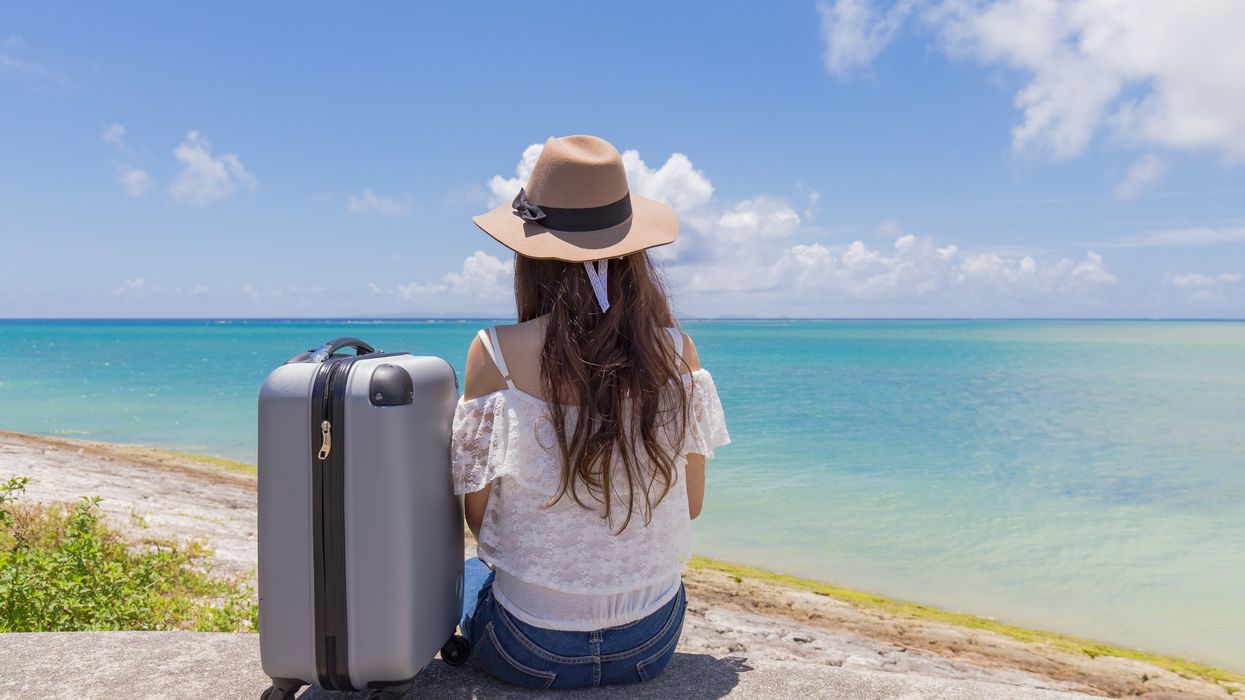
Travel: This should be high up on your list of priorities. We missed out on so many new and different experiences while in lockdown; so book that holiday you’ve always wanted to go on. If the pandemic has taught us anything it’s that life is very short; so what are you waiting for? If going abroad is too expensive, there are great deals around the UK.
Start a bucket list: Even if there isn’t the time or resources to do something big, it shouldn’t stop you from making a list of all the things you’ve ever wanted to do. Whether it’s small or big, write it down and then make a point to cross off a few every year. If you already have a bucket list, get ticking.
Make a move: Do whatever you have been putting off. Make it happen. Whether that’s getting in touch with someone you’ve been thinking about, reaching out to long-lost family, or pursuing a long-held goal. Do it, even if it’s taking a baby step.
Update your CV: Life is too short to be stuck in a job you don’t like. Yes, we all need money, so this isn’t about quitting a job with no plan. But start to look at what options are available and think about what you enjoy doing. Even if you aren’t ready to make the move just yet, update your CV and do research; so you will be ready when the time comes.
Make time: Lockdown showed us how precious time is. Don’t get so consumed with daily life or catching up on lost time that you forget about what’s important. Make time for your loved ones, including creating new memories. Remember, when you look back on life, you will never remember the time in the office; it will be moments with those you love.
Volunteer: If like many you were inspired by all those who made sacrifices for others during the pandemic, including individuals who didn’t have much rallying to help others, then why not volunteer. If you can spare some time to help or do a good deed, do it. It will give you a sense of fulfilment, create new friendships, and gift someone else hope.
Be money aware: The temptation is there to go crazy now that we have our freedom, but we are living in uncertain times, so be financially responsible. Do things in moderation and what you can reasonably afford. The cost of living is increasing at an alarming rate, so make sure you are on track with your finances and have something stashed for a rainy day.
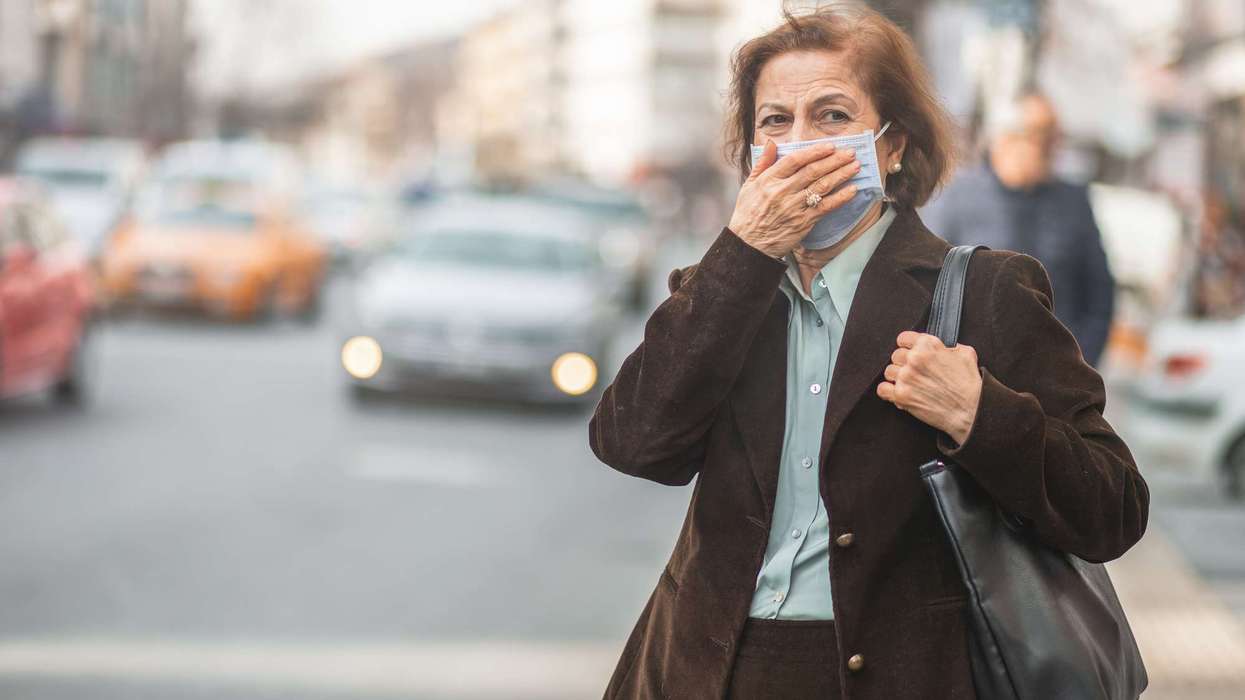
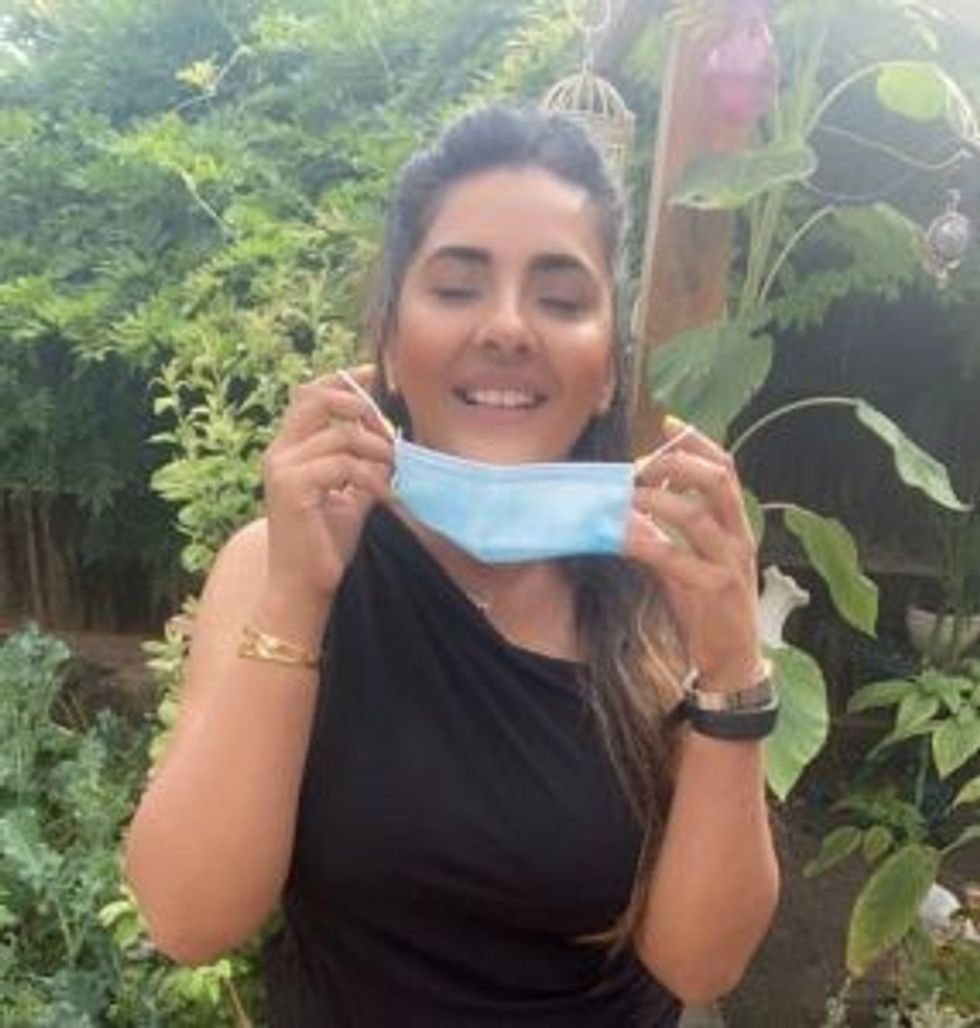
Still be responsible: Lockdown is lifted, but the pandemic isn’t over. Appreciate that not everyone will be in the same place as you mentally, and many are still worried about Covid-19, including those with underlying health conditions. So, respect those who still want to shield or wear a mask, and be patient with others.
Live your best life: Last, but not least, live your best life. The truth is we are all just trying to work it out and nobody has the answers, so just live your life to the fullest and do what makes you happy. 2022 is the year of the comeback.