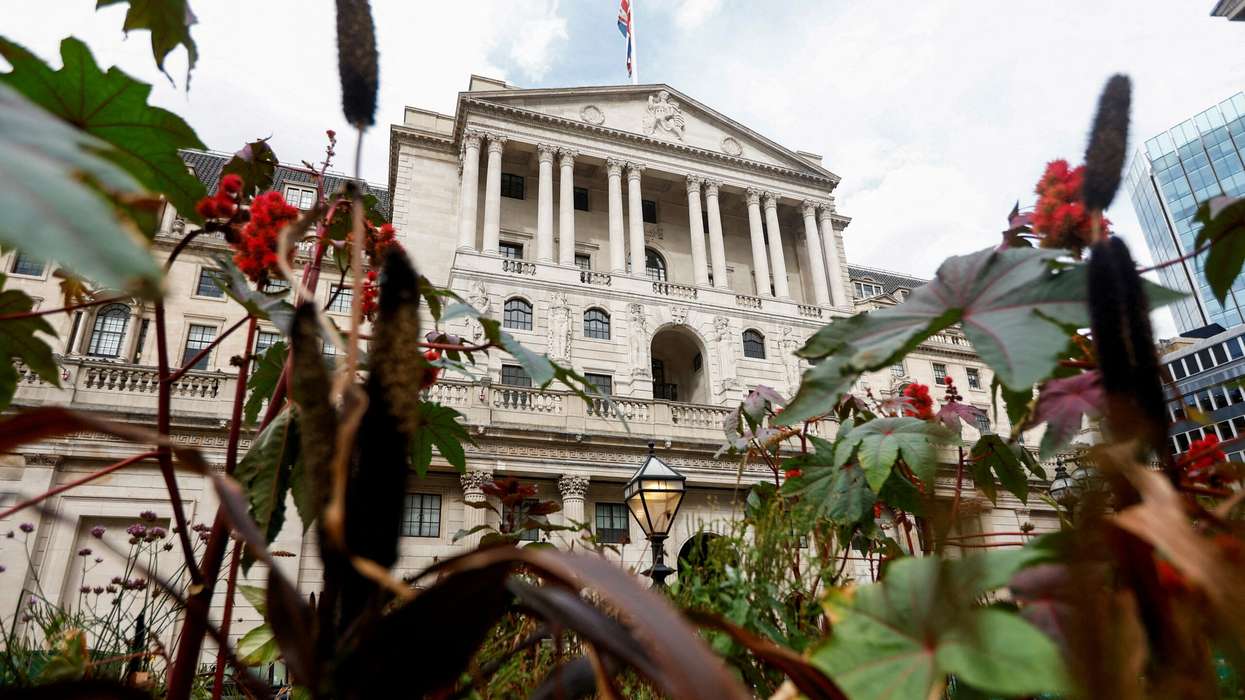

- Bank of England warns AI is creating new financial stability risks.
- Cyber threats and AI-driven market valuations remain key concerns.
- UK banking system remains resilient despite growing global uncertainty.
Artificial intelligence is emerging as a growing risk to financial stability, according to the Bank of England, which has warned that rapid advances in the technology could make financial institutions more vulnerable to cyber attacks while also increasing pressure on already stretched financial markets.
In its latest Financial Stability Report, the Bank said AI-related risks have become more pronounced since its previous assessment, with investors continuing to pour money into the sector despite growing uncertainty over how quickly companies will generate sustainable returns. The central bank also warned that geopolitical tensions, rising private credit risks and elevated asset valuations are adding to pressure across the global financial system.
AI boom brings new financial risks
The Bank said developments in artificial intelligence could increase operational and cyber risks across the financial sector, particularly as firms become more dependent on complex AI systems.
It also warned that heavy investment in AI companies, combined with growing borrowing by businesses developing the technology, could leave markets vulnerable if investor expectations fail to materialise.
According to the report, a sharp reassessment of AI's commercial prospects could trigger a broader fall in equity prices, particularly because many investors have concentrated their investments in a relatively small number of AI-related companies. The Bank also highlighted concerns over limited transparency surrounding borrowing by some AI firms, which could amplify financial stress if market conditions deteriorate.
The report noted that increasingly sophisticated AI systems may require financial institutions to carry out more frequent software updates, potentially increasing the risk of operational disruption while also creating new opportunities for cyber attacks.
Banks remain resilient despite wider uncertainty
Alongside AI-related concerns, the Bank said vulnerabilities linked to risky assets and private credit lending have become more visible this year, while conflict in the Middle East has added fresh uncertainty to the global economy.
The report warned there is a greater possibility that several financial risks could emerge at the same time, making market disruptions more difficult to manage.
Despite those concerns, the Bank concluded that the UK's banking system remains resilient and said lenders continue to hold sufficient capital to withstand periods of financial stress.
The central bank also outlined proposals that could allow banks to reduce some of their capital buffers more easily during a financial crisis, helping them continue lending to households and businesses when economic conditions become more challenging.
Separately, Bank of England Deputy Governor Sarah Breeden had reportedly indicated last month that increasingly autonomous AI systems may eventually require dedicated regulation, arguing that existing regulatory frameworks were not designed to oversee technology capable of making decisions with limited human involvement.