
Highlights
- It is the first edible 100 per cent British chocolate bar since one was made for Princess Elizabeth in 1932.
- The bar uses cocoa grown in Berkshire and milk and sugar sourced in the UK.
- Researchers say climate change, pests and diseases are putting pressure on cocoa production.
- Only six bars have been made so far, with hopes of producing more.
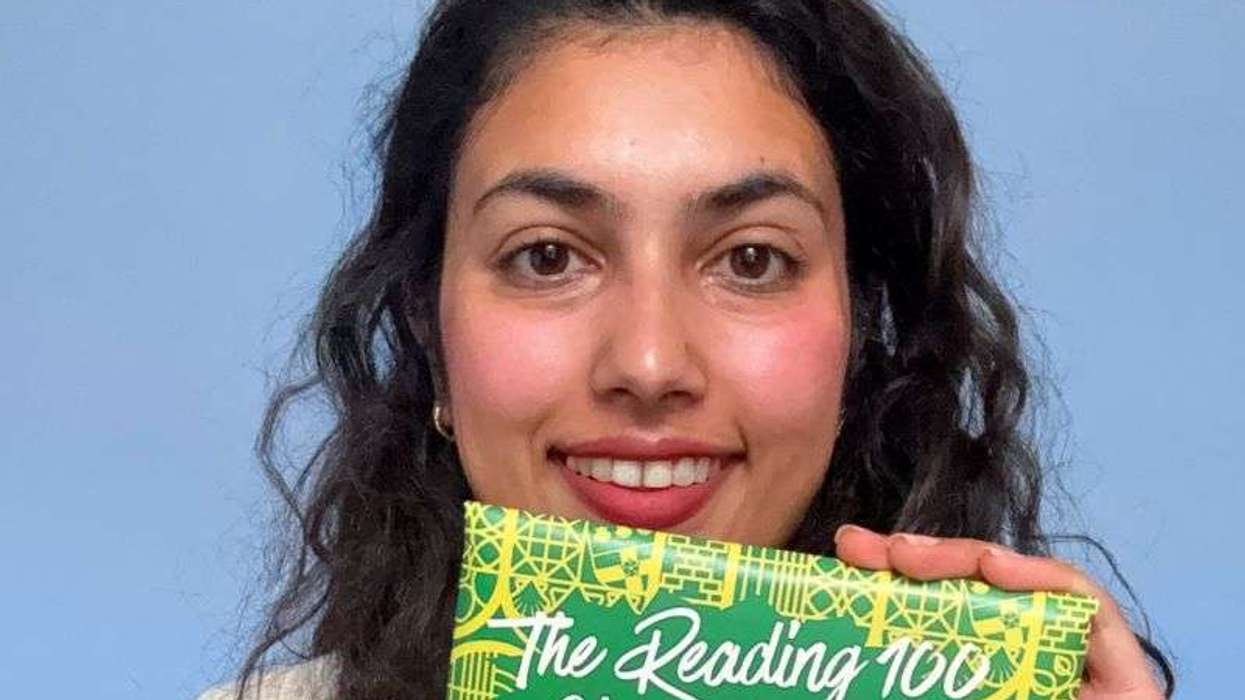
AN ASIAN student at the University of Reading has made a chocolate bar using cocoa grown in Britain, producing what they say is the first edible 100 per cent British chocolate bar since 1932.
The Reading 100 Chocolate Bar was made by food security master's student Maha Khan to mark the university's 100th anniversary and highlight the challenges facing cocoa production due to climate change.
Khan harvested cocoa pods at the university's International Cocoa Quarantine Centre in Berkshire, then fermented, dried, roasted and processed the beans. She used university facilities to grind and blend the cocoa with milk and sugar.
“It has been amazing to follow the entire chocolate-making process, from pod to bean to bar, without leaving Reading,” Khan said.
She said the project showed how climate change, pests and diseases could affect food supplies.
“It is incredible that we can make 100 per cent British chocolate – but in the context of climate change, pests and diseases, there are estimates that 30 to 40% is lost,” Khan told the BBC's Today programme.
“And we've seen with these heatwaves, climate change, these problems and challenges are only going to get exacerbated.”
The UK chocolate market is worth £10.4 billion, but the industry depends entirely on imported cocoa. Most cocoa is grown in tropical regions of Africa, south America and Asia, where changing temperatures and rainfall are putting pressure on crops.
The Reading centre has more than 300 types of cocoa plants and plays a role in the international movement of cocoa plants. It is managed to prevent pests and diseases spreading between different cocoa-growing regions.
Khan wants to draw attention to the centre's work
Khan said she wanted the project to draw attention to the centre's work, which she said was not widely known. “It is the primary hub of transfer for 97 per cent of cocoa-growing countries,” she said.
“So the cocoa is quarantined there for two years, and so from those plants that are growing I decided to make this chocolate bar.”
Making the chocolate took several stages. Khan removed the pulp from the beans and fermented them for seven to 10 days before drying them. She then roasted and processed the beans before blending the cocoa with milk and sugar.
Khan said the finished chocolate had a rich flavour, with the cocoa coming from plants representing more than 300 varieties grown at the university.
“It’s incredible to taste the complexity of the flavour profiles as the cocoa is made from plants originating from over 300 varieties grown here,” she said.
A unique chocolate bar
In 1932, confectioner Rowntree's made a chocolate bar using cocoa grown in a glasshouse at its headquarters in York and gave it to Princess Elizabeth, then six.
The new bar is the first edible 100 per cent British chocolate made since that earlier effort, according to the university.
Only six bars have been produced so far. Khan said more could be made if enough cocoa beans become available, noting that a single cocoa pod can take about six months to grow.
She also hopes to give a bar to the Princess of Wales, who, like the chocolate, was born in Reading.
Professor Carol Wagstaff, director of AgriFood Futures at the university, said the UK chocolate industry relied on a supply chain that started “thousands of miles away in the tropics of Africa, South America and Asia”.
She said research was needed to help protect cocoa plants and support farmers facing climate-related risks.