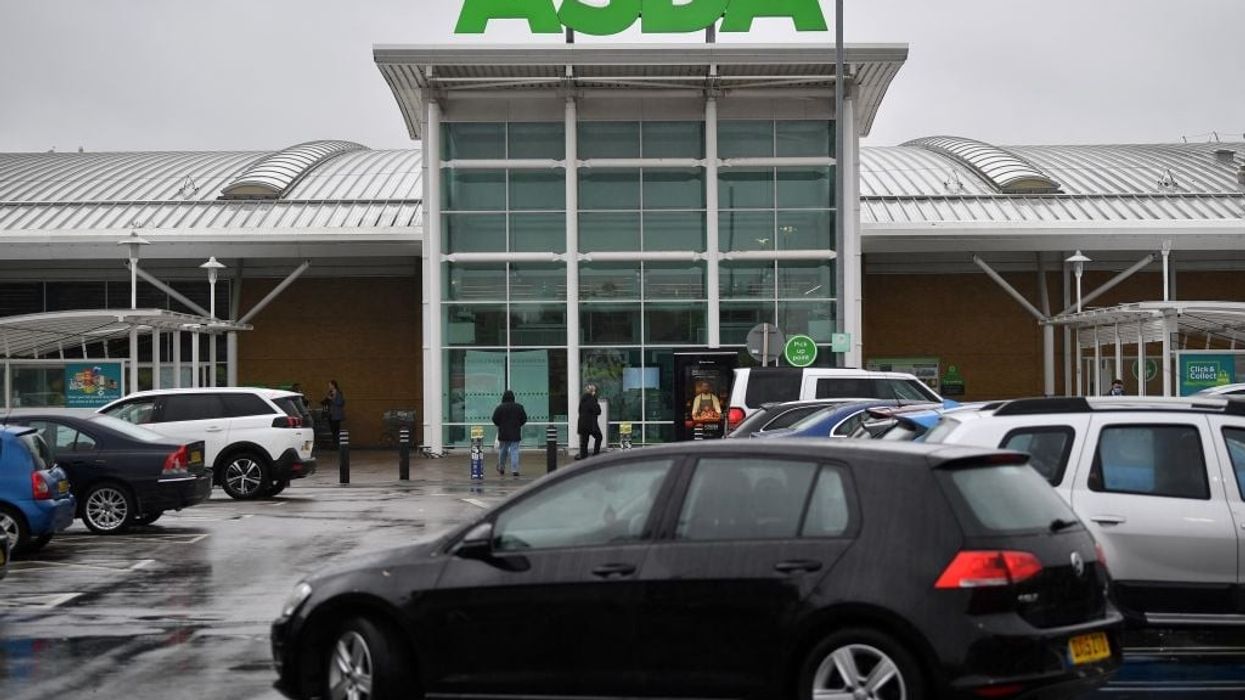

THOUSANDS of Asda shop workers have begun a crucial phase in their legal battle for equal pay, a case that could potentially result in over £1.2 billion in compensation.
The employment tribunal, which started on Monday (9), will determine if the roles of predominantly female shop workers are of equal value to those of mainly male warehouse staff, who currently receive higher pay, the Guardian reported.
The hearing is expected to last around three months, with a ruling anticipated early next year. This case has been ongoing since 2008, when a group of shop workers in Manchester first challenged the disparity in pay between shop floor roles and warehouse jobs.
According to the report, the outcome of this tribunal could have a significant impact on the retail industry, as similar cases are being pursued by workers across other major supermarkets and retail chains, including Next.
If the tribunal rules in favour of the shop workers, it could pave the way for similar claims, potentially costing the retail sector billions in back pay.
The GMB union, representing over 20,000 Asda employees in this case, argues that women in shop floor roles have been systematically undervalued compared to their male counterparts in distribution centres.
They believe that a ruling in favour of the shop workers would force Asda to enter into negotiations to resolve the pay discrimination.
Asda, however, denies that gender influences its pay rates, arguing that retail and warehouse roles require different skills and fall into distinct industry sectors. The supermarket chain maintains that it pays its employees fairly based on the specific demands and responsibilities of each role.
The tribunal's decision will focus on whether customer service roles in stores are valued equally to the physically demanding roles in warehouses, such as lifting goods. If the tribunal finds that the roles are of equal value, the next phase will examine whether there are other reasons for the pay differences that are not based on gender.
“This hearing is about whether the employment tribunal agree with that valuation – are things like customer service, and dealing with the public, as important as lifting cases of goods in the warehouses? Asda don’t have a business without their customers, and so the hearing will explore how Asda value those workers that deal with customers on their behalf," Michael Newman, a partner at the law firm Leigh Day, which is leading the Asda equal pay case and the other similar retail cases, was quoted as saying.
This case follows a 2021 Supreme Court ruling that allowed Asda shop workers to compare their roles with warehouse positions, reinforcing their right to seek equal pay. A recent decision against the retailer Next on a similar issue could also influence the outcome for Asda, as it highlights the challenges retailers may face in justifying pay differences.
Lauren Lougheed from Leigh Day expressed optimism about the ongoing fight for equal pay, noting, "The equal pay team at Leigh Day is very encouraged by the huge success we experienced just last week on behalf of the many thousands of women we represent who have been fighting for equal pay at Next."
She explained that if they succeed in the stage 3 hearing against Asda, the company will need to demonstrate that the pay disparity between shop and warehouse workers is due to reasons unrelated to gender. "Next bosses failed to do this and our clients won," Lougheed said. "We are confident that the same will be true in the Asda claim."