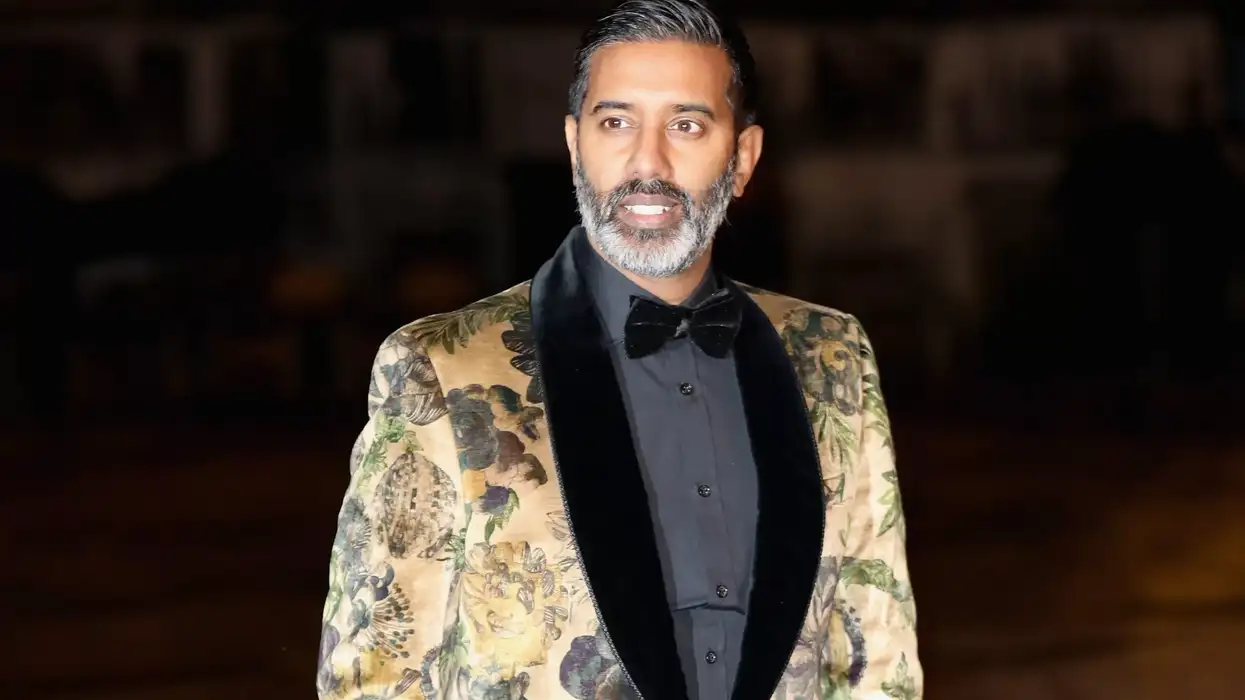

BRITISH ASIAN BBC presenter Nihal Arthanayake expressed concerns about the overwhelming lack of diversity in the network's newsroom, highlighting its impact on his mental health.
Addressing a journalism diversity conference on Wednesday (29) at Media City in Salford, he expressed concern about the absence of Muslim employees in the "senior editorial process" at Radio 5 Live, emphasising the impact of entering a workspace dominated by white individuals.
He claimed that when he shared this observation, his colleagues defensively denied any racist intent, which he argues misses the broader issue.
The star presenter even revealed the departure of numerous individuals from the workplace due to challenges in adapting to the prevailing culture.
Arthanayake, 52, whose parents are from Sri Lanka, expressed frustration with colleagues responding defensively to concerns, asserting that authenticity is crucial for journalists to progress.
The Radio 5 Live host said that he noticed a difference in attitudes since moving north after living in London for two decades.
The broadcaster relocated to BBC's Media City in Salford from London's Broadcasting House in 2016, accommodating around 3,000 staff, including those from 5 Live, BBC Breakfast, and CBBC.
He highlighted instances of offensive language, noting a difference in attitudes between the two locations.
“Since moving up here, being called the p-word – that didn’t happen in London. You’d get a slap for that in London, not even from me," he told the conference.
Previously part of a working group aimed at enhancing diversity at the BBC, Arthanayake had spoken out in 2015 about the corporation's music stations operating in "silos," with individuals from different backgrounds not intermingling.
As part of the BBC's diversity and inclusion plan, the broadcaster aims for 20 per cent of its staff to be from an ethnic minority background, with urban hubs contributing significantly to this target.
A BBC spokesperson emphasised the organisation's commitment to creating an inclusive culture where all employees feel a sense of belonging.
“We want everyone who works at the BBC, and those considering a career with us, to know we are focused on creating an inclusive culture where everyone feels they belong," a BBC spokesperson told The Times.