
More than half of South West spare room owners think they are too old to foster. Most foster carers are over 55.
The children have left home, the house is quieter, and there is a room upstairs that mostly holds boxes. If you have ever wondered whether you could foster, the question that stops many people in the South West is a simple one: am I too old?
There is no upper age limit for fostering. And you would not be unusual. National Fostering Group found that 32% of South West adults describe themselves as empty nesters, compared with 29% across the UK.
Why so many people think they are too old
In data from National Fostering Group, 56% of South West spare room owners said they think they are too old to foster, compared with 51% across the UK.
The belief is common, but it does not match who actually fosters. National Fostering Group also found that 61% of UK foster carers were aged 55 or over.
Why empty nesters can make good foster carers
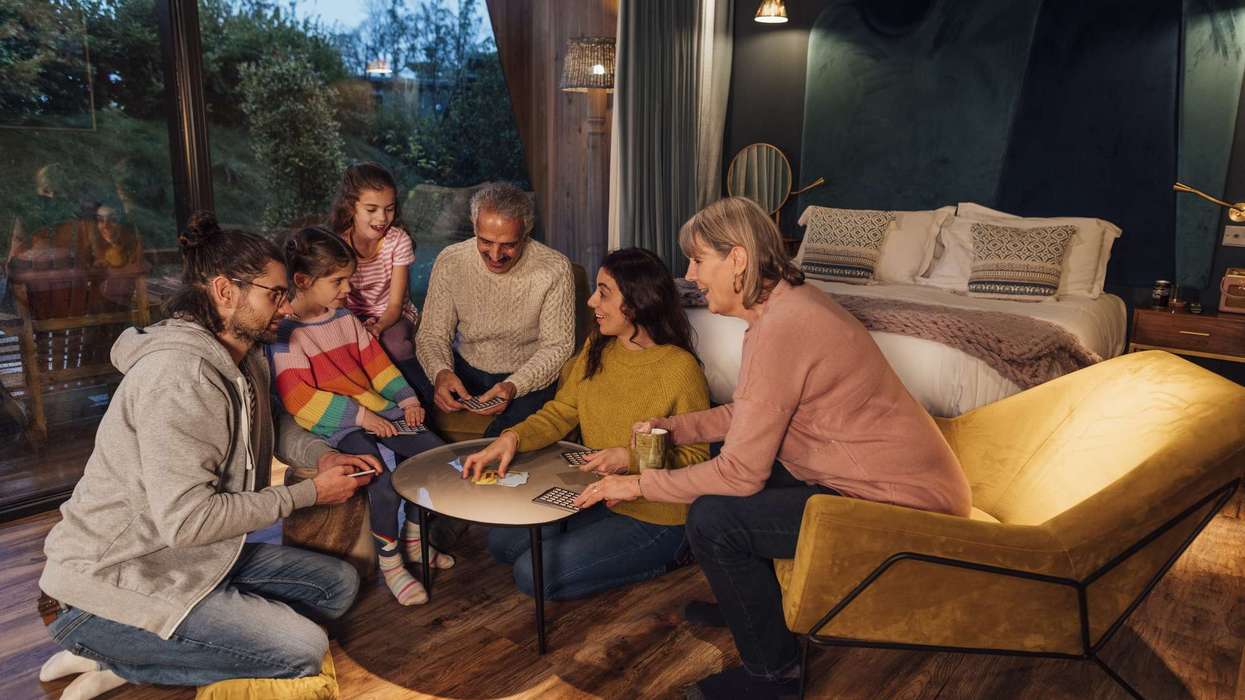
If you have raised children, you already know a great deal about patience, routine, teenage moods and the value of simply being there. You may also have more time and a calmer household than you did a few years ago.
The same carer survey found that 25% of carers aged 55 to 64 started fostering because their own children had left home. For many, an empty nest was the start of something, not the end.
What about the spare room?
Research from National Fostering Group shows that 49% of South West spare room owners said they use the room for storage (compared with 43% across the UK) and 54% for the occasional guest. On average they had 1.8 spare bedrooms. A room like that could, in time, become a child's bedroom.
It is important to be clear that having a spare room does not mean you can automatically foster. The room has to meet the relevant requirements, and the rest of the assessment still applies. Equally, if your home does not have a suitable spare room, that is a genuine barrier. The best way to find out is to talk to your local agency, who can give you an honest view.
Not sure you want to commit long term?
You do not have to start with long-term fostering. In the same research, 16% of South West spare room owners said they would not want to foster long term, compared with 10% across the UK. Short-term or emergency fostering may suit you better, and many carers begin there. Find out more about short-term fostering.
If you have already raised teenagers of your own, you might also consider fostering teenagers, many of whom need a calm and experienced home.
Health, energy and support
Foster carers have a medical check as part of their assessment, and the focus is on whether you are able to look after a child, not on your age. You will also have training and round-the-clock support from your agency, plus access to more than 250 free training courses as a National Fostering Group carer.
Take the next step
"Many foster carers start fostering after their own children have left home. They bring years of parenting experience, patience and often more time than they had before. There's no upper age limit, and if caring for a child on a long-term basis doesn't feel right, many children need caring homes on a short-term basis," says Howard Verran, Area Director for NFA South West at National Fostering Group.
Read the guide to who can foster, or contact NFA South West for a chat. The team supports foster families across the region, from Cornwall to Gloucester and Southampton to Bristol.
About the research
1. National Fostering Group commissioned OnePoll to conduct a survey of 2,000 UK adults. The research was carried out between 7 and 12 May 2025.
2. National Fostering Group commissioned OnePoll to conduct a survey of 1,000 UK adults with a spare room. The research was carried out between 26 and 30 July 2024.
3. National Fostering Group commissioned OnePoll to conduct a survey of 566 UK foster carers. The research was carried out between 13 November and 2 December 2025.
This article is paid content. It has been reviewed and edited by the Eastern Eye editorial team to meet our content standards.