
Highlights
- Alia Bhatt’s morphed images used by a Pakistani brand without clear endorsement
- Incident raises concerns around consent, digital manipulation and misleading advertising
- Growing focus on personality rights as misuse of celebrity likeness increases online
When endorsement is assumed, not agreed
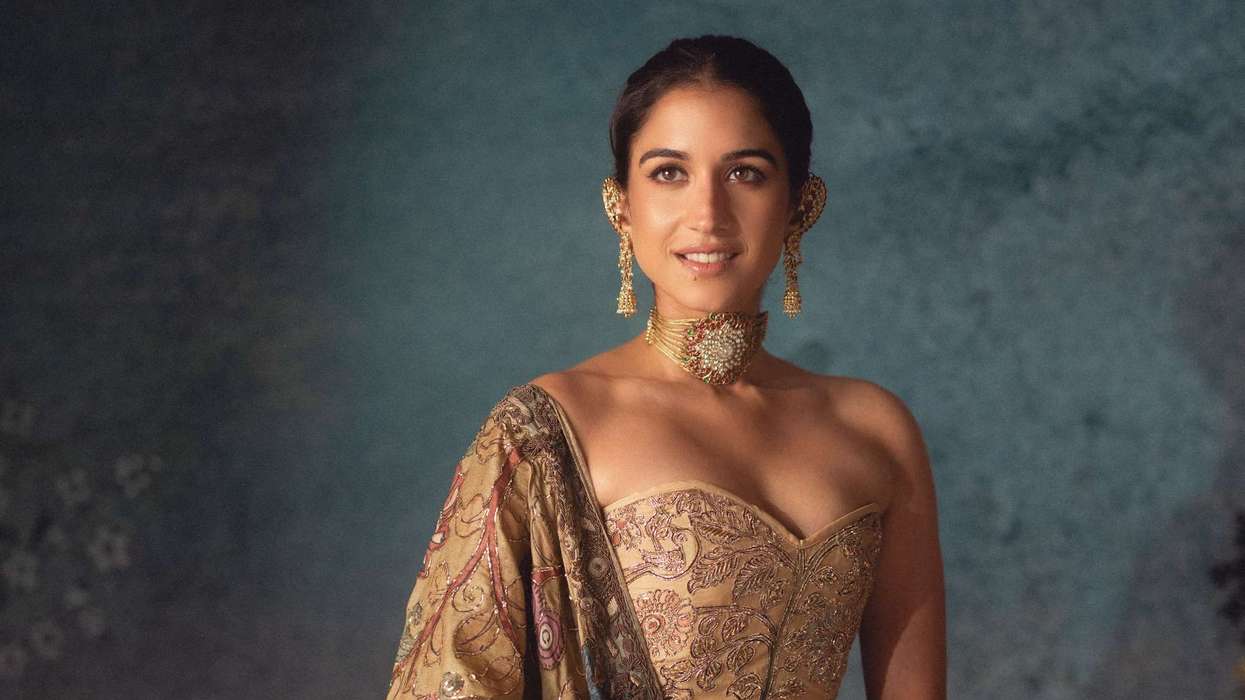
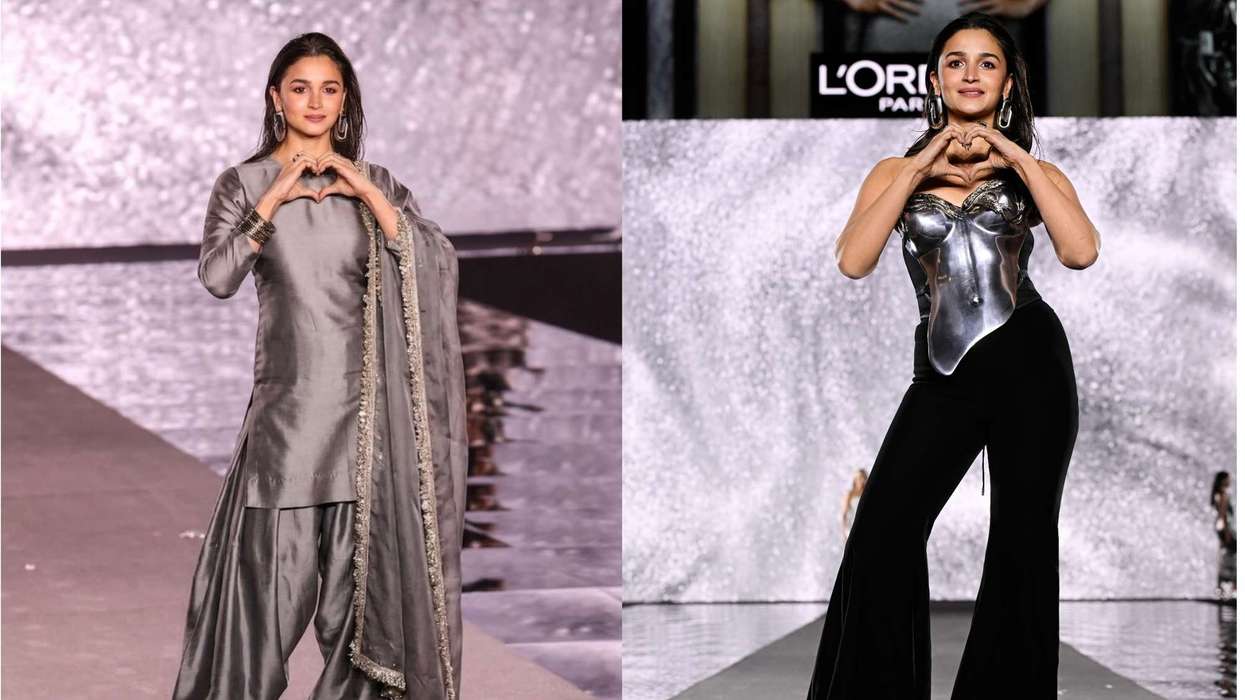
The unauthorised use of Alia Bhatt’s altered images by a Pakistani brand has reignited a familiar concern in digital advertising. Campaigns that visually mimic endorsements can easily blur the line between association and approval.
For audiences, such edits can appear credible at first glance. When a well-known face is integrated into promotional material, the assumption of endorsement often follows. Without clear consent, that assumption risks misleading consumers while benefiting from the celebrity’s influence.
The rise of easy digital manipulation
Editing tools have made high-quality image manipulation widely accessible. What was once confined to fan edits is now entering commercial use, often without the same scrutiny.
In this case, online reactions indicate a growing awareness among audiences. However, the speed of digital circulation means such campaigns can gain traction quickly, sometimes before any clarification is issued. The result is a widening gap between content creation and accountability.
Personality rights under sharper focus
The controversy adds weight to ongoing legal discussions around personality rights, which protect an individual’s image and likeness from unauthorised commercial use.
Indian courts have reinforced these protections in recent cases involving figures such as Amitabh Bachchan, Anil Kapoor, Mohanlal and Kartik Aaryan. These rulings underline that a celebrity’s identity carries tangible commercial value and cannot be freely used for promotion.
Yet enforcement remains challenging, particularly when digital campaigns operate across borders.
A cautionary moment for brands
The incident signals a shift in how such practices are viewed. Audiences are more likely to question authenticity, while public figures are increasingly protective of their image.
For brands, the implications are clear. Campaigns that rely on implied association rather than explicit permission risk both reputational and legal consequences. As digital advertising expands, the expectation for transparency is only likely to grow.