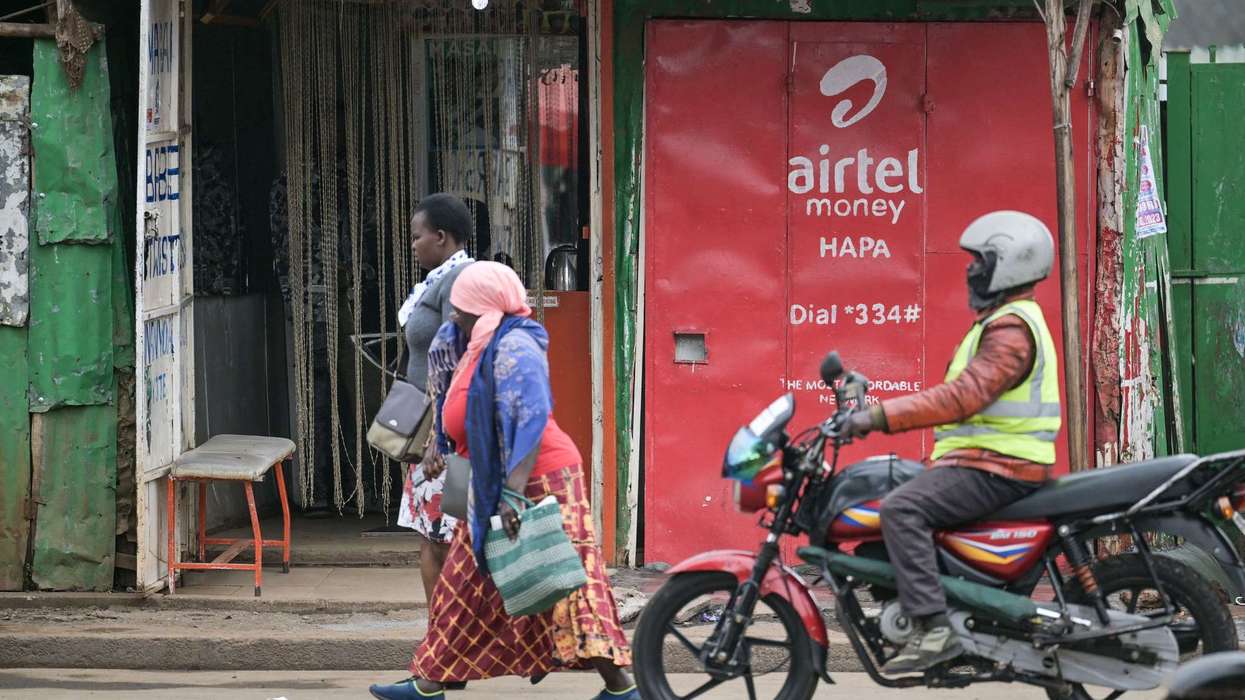

- Airtel Money plans to list existing shares on the London Stock Exchange.
- The business has more than 53 million monthly active users across 13 African markets.
- The listing comes as London tries to attract more major IPOs.
Airtel Money, the mobile financial services business majority-owned by Indian telecoms group Bharti Airtel, is heading for a London listing in what could become one of the city's biggest IPOs in recent years.
The company said existing shareholders would sell shares in the offering, meaning Airtel Money itself will not raise new capital through the listing. It expects at least 10 per cent of its shares to be in public hands once trading begins.
The International Finance Corporation (IFC) has agreed to buy up to £67.2m worth of shares from existing shareholders. Shares will also be offered to UK residents, with details of the offer price expected in October.
Airtel Africa, which owns 77.85 per cent of Airtel Money, said it expects to remain a long-term shareholder.
Why London?
The choice of London is closely linked to Airtel Africa's existing presence on the market.
Airtel Africa, the Indian-owned telecoms group behind the business, has been listed in London since 2019. Its shares have almost quadrupled since its IPO, according to the Financial Times.
Airtel Money chief executive Ian Ferrao said investors already had a strong understanding of the company and its emerging-market business through the parent group.
“Because of that, I think our brand is very well known, so we're not walking in blind,” Ferrao said, according to the Financial Times.
The decision also comes at a difficult time for London's IPO market.
There have been just seven UK listings so far this year, raising £577.2m, compared with 23 London IPOs that raised £2.13bn in 2025.
Several high-profile companies have delayed planned flotations this year, while the number of companies listed in London has continued to fall as businesses are acquired by private equity groups and overseas buyers.
The UK has introduced measures aimed at making London more attractive to companies considering a listing, including changes to free-float requirements and an exemption from stamp duty for new IPOs.
Airtel Money's arrival could therefore give the market a sizeable new international listing at a time when London is trying to rebuild its appeal.
A growing African financial network
Airtel Money operates in 13 markets across sub-Saharan Africa, providing mobile payments and financial services through a network of agents, branches and kiosks.
The business has more than 53 million monthly active users and generated $1.36bn in revenue in its latest full financial year.
Its services allow customers to deposit and withdraw cash, send money, pay bills and make purchases using mobile accounts. It has also expanded into products including loans, savings, insurance and international money transfers.
The business has grown in markets where traditional banking infrastructure is less developed, making mobile financial services an important route to payments and other basic financial products.
Airtel Money's proposed London listing will therefore bring a business built around financial access in African markets into one of the world's major financial centres.
For Airtel Africa, the listing also offers a way to give the mobile money business a separate public-market profile while retaining a long-term stake in its growth.
The final offer price is expected in October, with the prospectus due ahead of the listing.