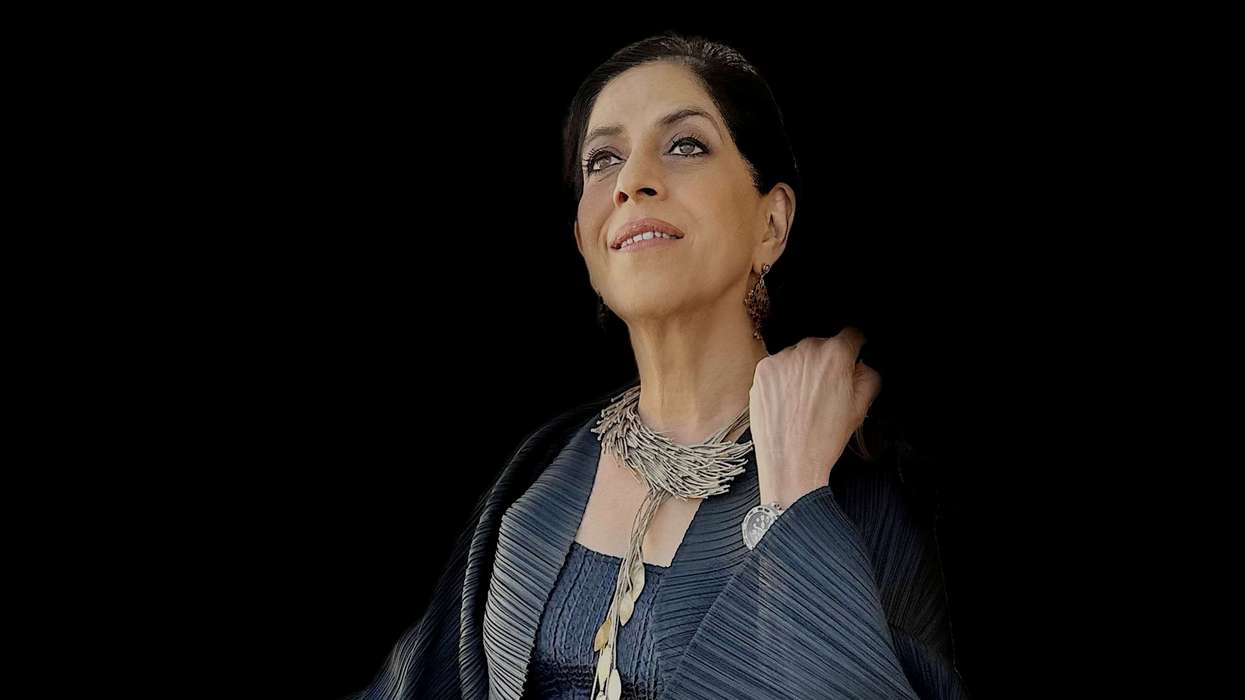

RENOWNED Kathak Indian dancer and choreographer, Aditi Mangaldas, has said "nothing has changed" since the 2012 Nirbhaya gang rape in Delhi. She will stage WITHIN, her response to the attack, at Sadler's Wells Theatre in London this weekend.
The two performances are the first time the Delhi-based artist has brought her own company to the venue. Eleven dancers and four musicians will appear.
"It is really heartbreaking that after this huge outcry, and so many commissions and so many laws, at least in India, it seems nothing has changed," Mangaldas told Eastern Eye ahead of the show.
"The work is as relevant now as it was then. That is why we are bringing it to Sadler's Wells. And it is not only about India; it is about brutality, which you observe all over the world."
WITHIN premiered in 2013. Mangaldas was already working on it in her Delhi studio in December 2012. That month, a 23-year-old student, later called Nirbhaya, meaning "fearless", was gang-raped and murdered on a bus in the city.
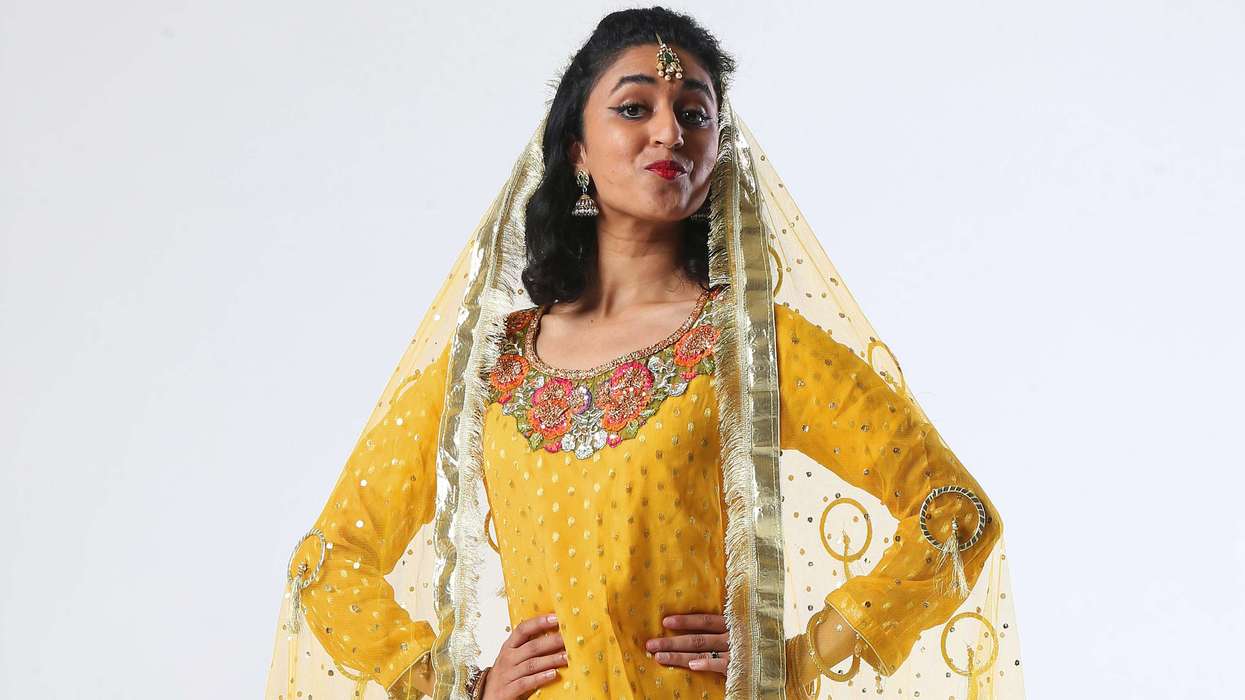
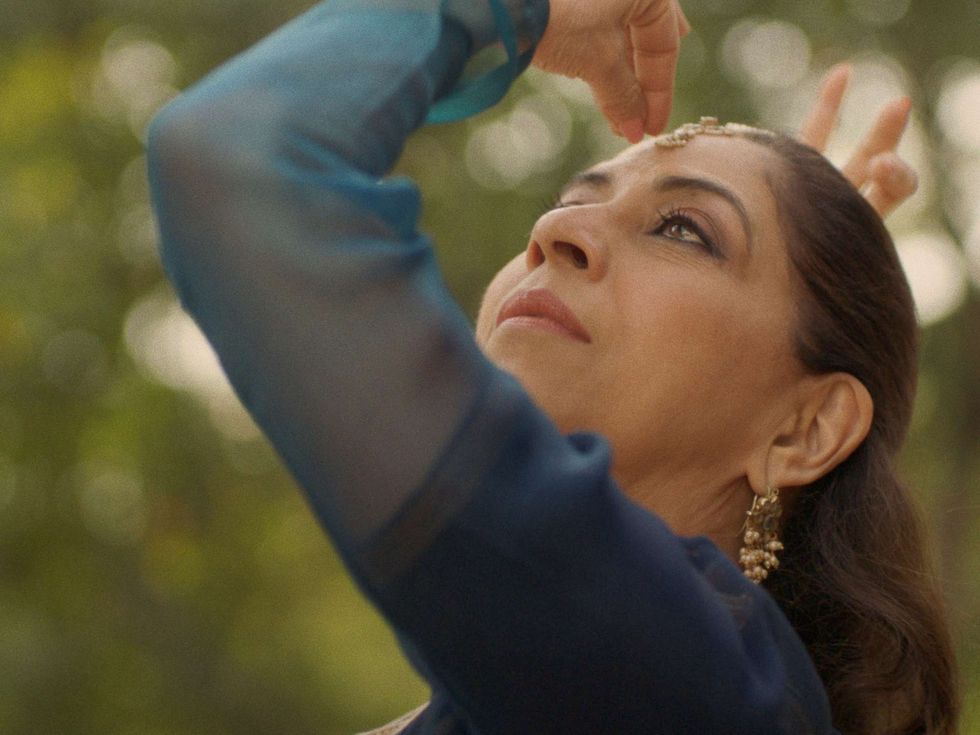 Aditi MangaldasCamilla Greenwell
At the time, the company was rehearsing a piece about relationships between men and women, drawing on the idea of Shiva-Shakti.
"Every day it became impossible to come into the studio and work without being informed by what was happening," she said. "So the trajectory of the piece changed. Eventually we removed gender from the piece, because it became about looking at the 'within' of each of us: the embrace of brutality and humanity, of the feminine and the masculine, the good and the bad that lie within each of us."
She said the central question was what drives people to cruelty. "What is it that compels us to be brutal? Nobody is born brutal. So what happens? That is what compelled me to make WITHIN. I don't feel art can remain in a vacuum."
Asked why the work still resonates, Mangaldas pointed to violence against women well beyond India.
"If you take the trigger point, this terrible gang rape in Delhi, what has changed? You are seeing this happen in the most advanced societies in the world, " she said.
"It is the impunity with which it is happening. And because social media is so prevalent in our lives, news travels fast and furiously, so it is right there in front of you. It is heartbreaking to feel that it hasn't made any difference."
From darkness to light
The evening is in two parts, KNOTTED and UNWRAPPED, and moves from darkness to light. The first half runs for about 40 minutes to recorded music. After a 20-minute interval comes UNWRAPPED, a classical work of roughly 40 to 45 minutes.
Mangaldas described the opening section as deliberately unrelenting.
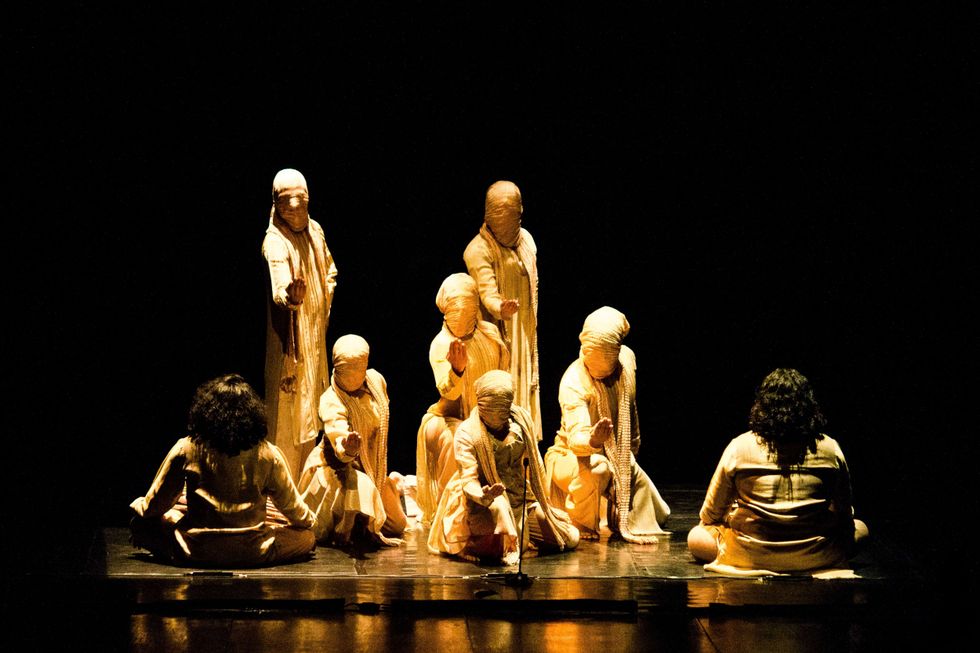 Aditi Mangaldas Dance Company Arijeet Mukherjee
"There is no escape from brutality, is there? So the piece does not let you escape: not the movements, not the lights, not the scenography, not the intention," she said.
The second half begins with the same "wrapped-up brutality" but gradually unravels. "When the first courageous step is taken to unravel, you see who you really are," she said.
She drew on several sources of inspiration. One was the philosopher J Krishnamurti's idea that to understand yourself, you must create a mirror that accurately reflects what you are. Another was the Siddha sculpture from the Jain tradition, an empty cutout figure.
"Put that cutout against the sky, and eternity is the limit," she said. "Put it against a wall, and that is where you are, with your narrow vision."
The concluding section uses the poetry of Kabir and a bandish by the Sufi poet Hazrat Shah Niaz. Mangaldas said the message of that section is that when people find the humanity within themselves, they see love and beauty all around them, "hidden or apparent".
What dance can do that news cannot
Asked how dance can address an issue such as violence against women, Mangaldas contrasted it with journalism.
"Art and dance take you to a realm that reportage can't reach, because they touch a place in your heart, and transformation starts happening," she said.
She acknowledged that film has "a far greater reach". Dance, she said, is different because it is "in the moment": riskier, more ephemeral, and impossible to hold on to.
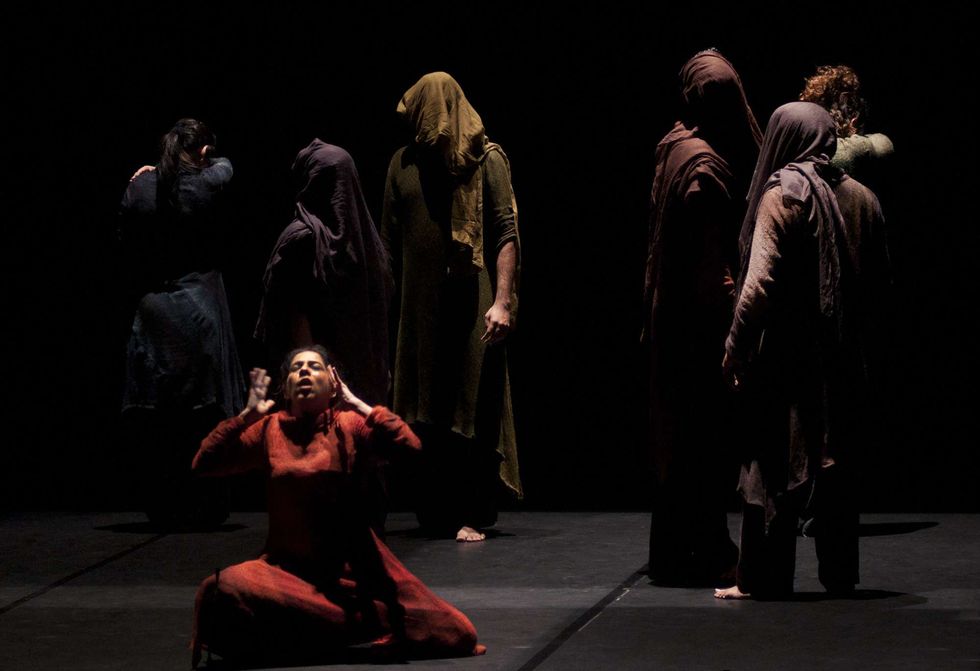 Aditi Mangaldas Dance CompanyNarendra Dangia
On what she hopes audiences, particularly men, will take away, she said: "As an artist, I can't change the world, but I do hope that works of art act as a mirror to society. I hope this work resonates with the viewer far beyond space and time, and encourages them, at some point, to observe who they are."
A return to London
WITHIN has been seen in London before. It had its UK premiere as part of the Southbank Centre's Alchemy festival. Mangaldas also has a long relationship with Sadler's Wells. She last appeared there in 2024 with MEHEK, a duet created and performed with dancer and choreographer Aakash Odedra, which won her the UK Theatre Award for Achievement in Dance. She has also presented her solo productions FORBIDDEN and IMMERSED at the theatre.
This time, however, she arrives with her full company.
"I am very excited, and the dancers are very excited," she said. "We are very honoured, and looking forward to showing what the classical arts can do, where they can travel, and the transformation that can happen within a classical tradition and in contemporary work."
Mangaldas said WITHIN was about "virtuosity and vulnerability", and about the space between the two.
"This is a very dynamic young company. You will see Kathak of amazing virtuosity, grace and vulnerability," she said. "I feel it may resonate with the viewer, so do come and watch it."
WITHIN by Aditi Mangaldas Dance Company is at Sadler's Wells Theatre on Friday (27) and Saturday (28) at 7.30pm.


 SEVA Trust



