
Highlights
- Aamir Khan said he goes into a period of emotional distress after a film fails
- The actor compared a rejected film to “losing a child”
- He revealed that disappointment can stay with him for two to three months
- Aamir also spoke about reworking films such as Delhi Belly and Taare Zameen Par after early cuts
Aamir says failure hits him far beyond the box office
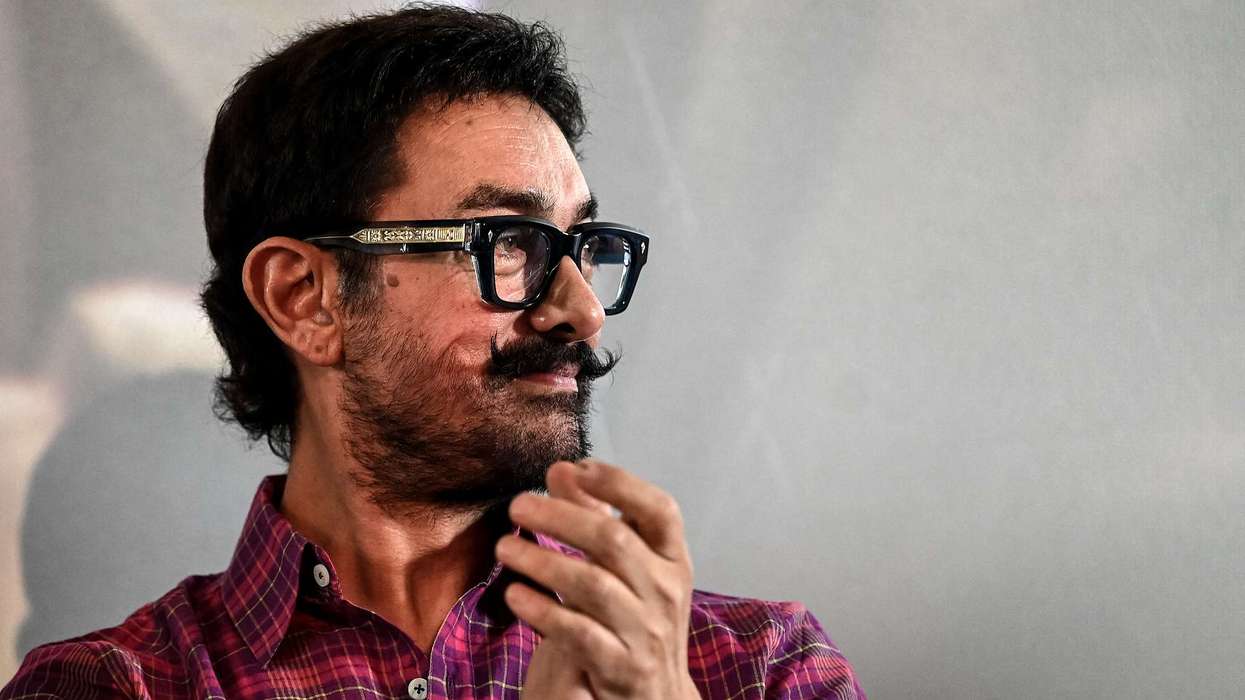
Aamir Khan has opened up about the emotional toll film failures take on him, revealing that disappointing audience reactions can affect him for months. The actor said he becomes deeply distressed when a project does not work and admitted that he takes such setbacks very personally.
Reflecting on how strongly he connects with his work, Aamir said he often slips into what he described as a period of “depression” for two to three months after a film underperforms. Clarifying that he was speaking emotionally rather than in a clinical sense, he explained that every film becomes deeply personal because of the time and energy invested in it.
He went on to compare the experience to “losing a child”, saying that when audiences reject a film, it can be heartbreaking. According to Aamir, people buy tickets with the expectation of enjoying a film, and if they leave disappointed, filmmakers have to accept responsibility.
His remarks come shortly after Ek Din, starring Junaid Khan and marking Sai Pallavi’s Hindi debut, struggled commercially despite drawing positive critical responses.
He believes grief is part of the process
Aamir said he believes disappointment should not be ignored or rushed through. Instead, he feels people should allow themselves time to process failure and accept the emotions that come with it.
According to the actor, mourning a setback helps clear the emotional weight and eventually allows him to move forward. He suggested that acknowledging loss is necessary rather than pretending it does not hurt.
Why audience reactions matter to Aamir
The actor also discussed his approach to filmmaking and the importance of honest feedback. Aamir revealed that there have been occasions when he recognised problems after watching a film’s first cut.
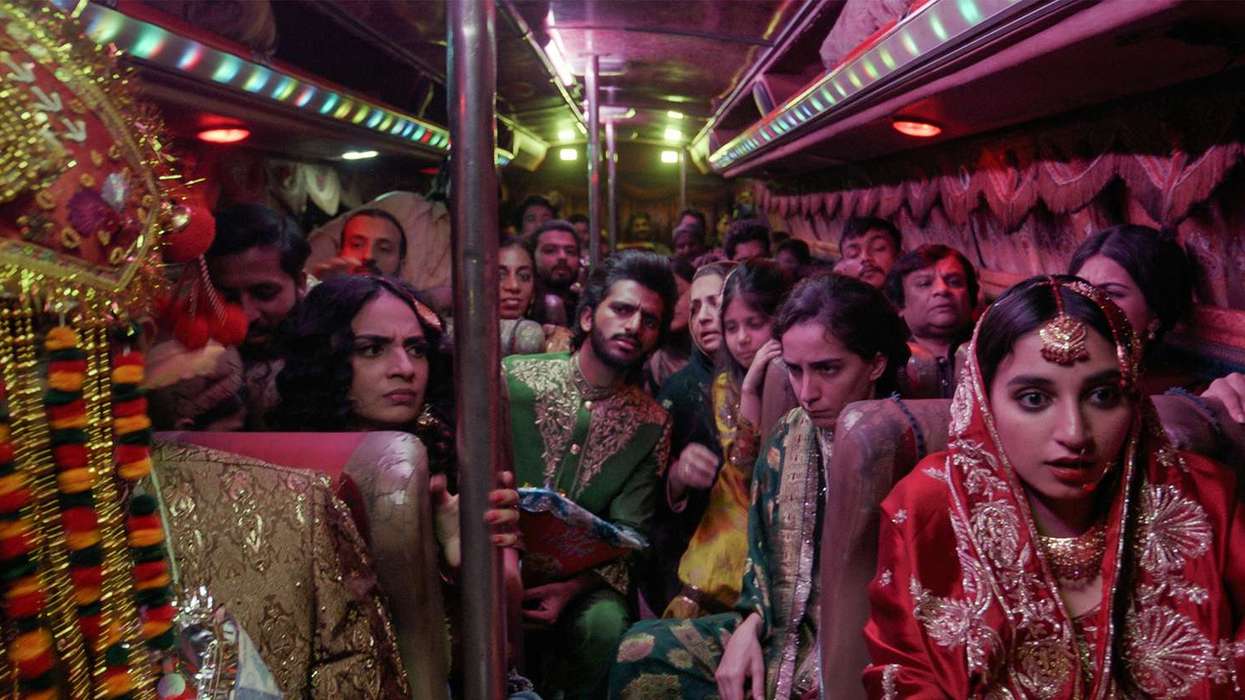
He cited films including Delhi Belly, Taare Zameen Par and Laapataa Ladies as examples of projects that changed significantly during editing. For him, audience screenings remain an important part of the process because they reveal whether a film is communicating what it intended to say.
Aamir added that real success is not only about numbers, but about making the film creators originally set out to make.