
Highlights
- Game Pass declared "too expensive" by CEO.
- Exclusivity debate returns after multiplatform push.
- "This is an Xbox" campaign scrapped.
1) Game Pass pricing admission
 The memo revealed plans to evolve Game Pass into a more flexible system, though specific changes remain unclearGetty Images
Sharma openly acknowledged what many players had been saying for months. In an internal memo shared with staff, she stated that Game Pass had become "too expensive for players" and Microsoft needed to find "a better value equation."
This admission follows a controversial 50 per cent price increase to Game Pass Ultimate announced last October under previous leadership.
The memo revealed plans to evolve Game Pass into a more flexible system, though specific changes remain unclear.
Industry insiders suggest this could involve removing Call of Duty from the service, a surprising move considering the franchise was a primary justification for Microsoft's Activision Blizzard acquisition.
The subscription currently operates across Essential, Premium and Ultimate tiers alongside PC Game Pass, but streamlining these offerings is reportedly under consideration.
2) Scrapping the "This is an Xbox" campaign
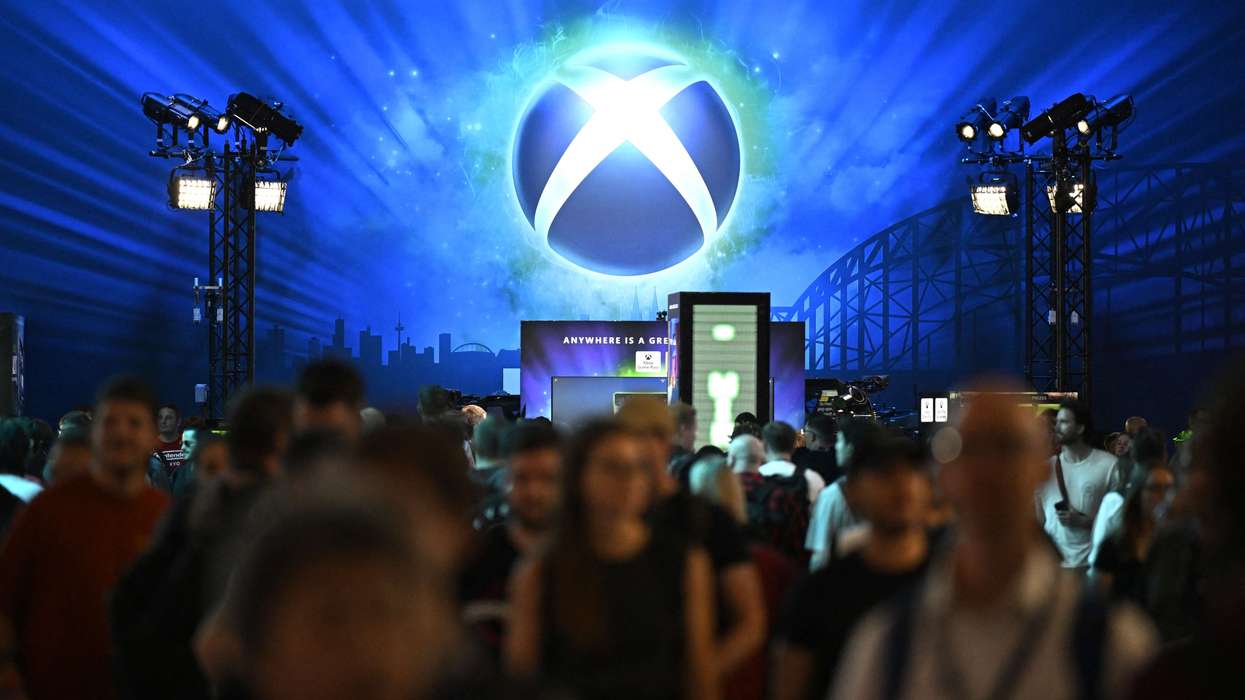
 The campaign was mocked for its confusing message about what counts as an Xbox deviceGetty Images
One of Sharma's first actions was scrapping the widely criticised "This is an Xbox" marketing campaign that attempted to position various devices as Xbox platforms.
A Microsoft spokesperson told Windows Central that Sharma "retired 'This is an Xbox' because it didn't feel like Xbox" and that she was "personally leading a reset of how we show up as a brand."
The campaign had faced mockery from gaming communities for its confusing messaging about what constituted an Xbox device.
Its removal signalled Sharma's willingness to quickly reverse decisions that weren't resonating with the player base.
3) Exclusivity debate returns
 Jez Corden says Xbox is discussing a possible return to exclusives, reversing its 2024 multiplatform strategyGetty Images
Perhaps most significantly, Sharma has acknowledged fan demands for Xbox to return to making console exclusives.
According to Windows Central's Jez Corden, who shared behind-the-scenes details on the Xbox Two podcast, there are "very very very big discussions about the exclusivity stuff going on" internally at Xbox.
This represents a potential reversal of the multiplatform strategy adopted in 2024, when Microsoft began releasing Xbox games on PlayStation 5 and Nintendo Switch.
Forza Horizon 5 and Indiana Jones proved successful on PlayStation, making Microsoft the top publisher on both platforms.
However, Corden noted that companies "lose prestige" when abandoning exclusivity, something Sony and Nintendo understand well.
4) Rejecting AI content
 Sharma has promised to avoid AI replacing human creativity in Xbox gamesGetty Images
Sharma has vowed to keep "soulless AI slop" out of Xbox games, taking a clear stance on artificial intelligence-generated content in game development.
This position addresses growing concerns within the gaming community about AI replacing human creativity and craftsmanship in game production.
The commitment comes as the broader entertainment industry struggles with AI integration, with many creators worried about job losses and quality degradation.
5) Project Helix announcement
 Sharma announced the next Xbox console, Project Helix, confirming Xbox’s focus on hardwareGetty Images
Sharma properly announced the next Xbox console, currently codenamed Project Helix, marking a clear commitment to hardware despite previous multiplatform messaging.
This announcement provided clarity to fans uncertain about Xbox's future in the console market following the company's pivot to releasing games across competing platforms.
The gaming industry now watches closely to see which direction Sharma ultimately takes Xbox, particularly regarding exclusivity.
Windows Central's Corden suggested it comes down to whether Microsoft wants to be "an ecosystem company first or a publishing company first."
With Game Pass struggling to grow despite Call of Duty's addition, and the franchise itself declining in popularity, tough decisions lie ahead.
Sharma is expected to share more detailed plans at the Xbox Games Showcase in June.