
- Ministers are examining restrictions on smart glasses in certain settings and the sale of devices to specific users.
- MPs warn that some users are secretly filming women and sharing footage online to attract views and make money.
- Campaigners say existing laws do not adequately address repeated harassment of different victims, while ministers acknowledge the technology's benefits for people with visual impairments.
The UK government is considering restrictions on smart glasses amid growing concerns that the devices are being used to secretly film women and share footage online without their consent.
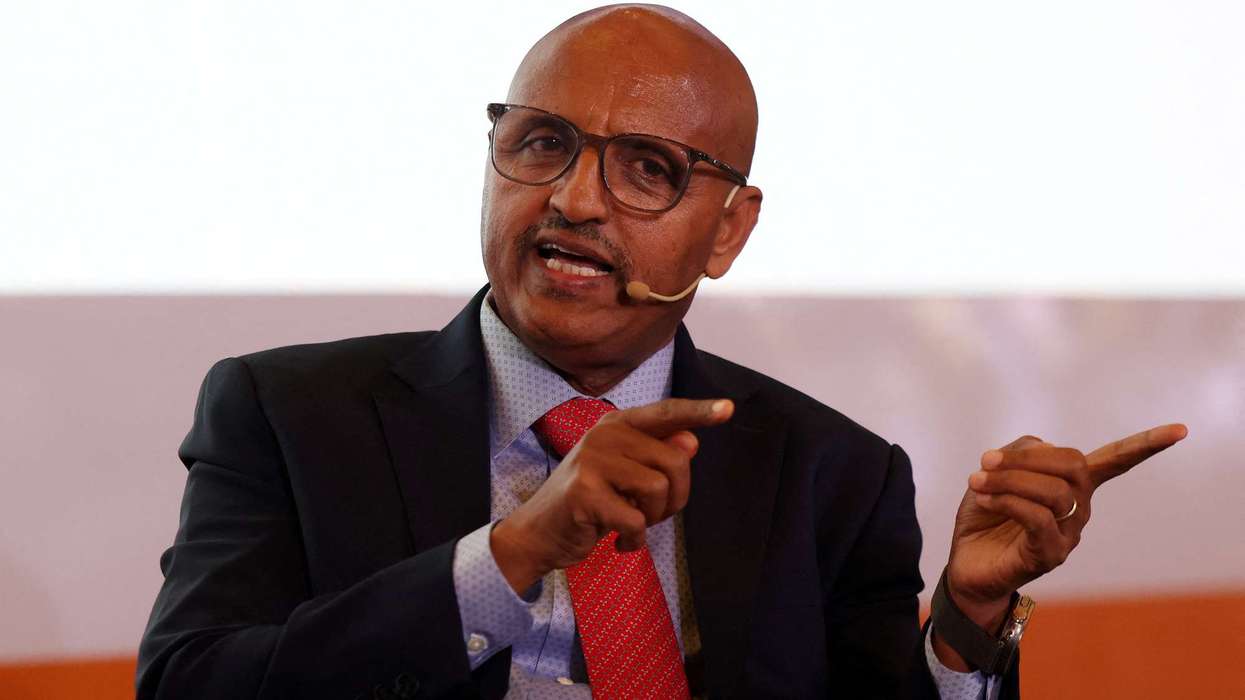
Safeguarding minister Satvir Kaur told MPs that ministers were examining options to restrict the technology in certain settings and limit sales to specific users. The comments came during a parliamentary debate on smart glasses and violence against women and girls on Wednesday (4).
“The benefits of smart glasses must be weighed against the harms they can cause. The government is already looking into options to restrict smart glasses in certain settings and restricting the sale to certain users,” Kaur said.
The discussion has intensified after women reported discovering that videos of them, recorded without their knowledge by people wearing camera-equipped glasses, had circulated widely on social media.
Liberal Democrat MP Anna Sabine, who secured the debate, said some women had woken up after nights out to find videos of themselves online.
She warned that the devices could undermine privacy and safety in public spaces, particularly because discreet filming is promoted as one of their selling points.
Sabine said she did not want parliament to wait until the harm became more widespread before introducing safeguards.
Why are MPs concerned about smart glasses?
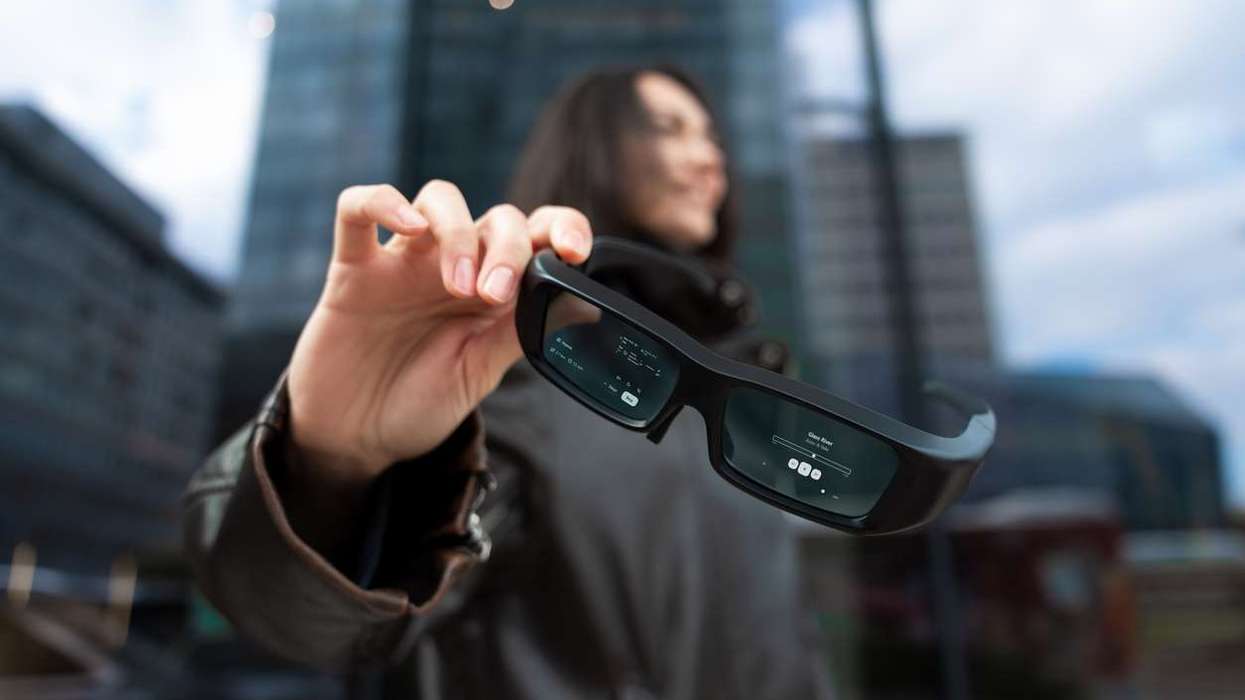
Smart glasses can include cameras, microphones and displays, allowing users to record video and access digital features without holding a phone. Their appearance can make it difficult for people nearby to know when recording is taking place.
MPs warned that some users were exploiting this discreet recording capability to film women and girls without their consent, then uploading the footage to social media to attract views and generate income.
Liberal Democrat MP Marie Goldman described the practice as “monetised misogyny”, arguing that existing harassment laws did not always provide an effective response when offenders filmed different women rather than repeatedly targeting one individual.
The debate also raised concerns about how quickly footage can spread online and the burden placed on victims to report it and seek its removal.
However, the legal position is not that all filming in public is automatically unlawful. The government says recording people in public can be lawful, but conduct intended to cause alarm or distress, or for sexual gratification, may amount to offences such as harassment, stalking or voyeurism. The Protection from Sex-based Harassment in Public Act 2023 can also cover taking images or videos without consent, including as a one-off offence.
Kaur said platforms had a responsibility to remove content shared without consent and acknowledged that not all social media companies were doing everything possible to address the problem. The Online Safety Act also places duties on platforms in relation to illegal content, including non-consensual intimate images.
The government is also examining how manufacturers can build stronger safeguards into the devices themselves. Kaur said technology companies had a responsibility to consider privacy and safety from the design stage, rather than relying on victims to report misuse after it happens.
What restrictions could the government introduce?
Kaur did not set out a specific ban or provide a timetable for new rules. Instead, she said ministers were considering restrictions on the use of smart glasses in certain settings and on sales to particular users.
Some restrictions already apply. Recording is prohibited in courts and tribunals without permission, while healthcare and education settings have safeguarding and professional policies covering photography and digital recording.
NHS England and the Department for Education are reviewing the use of wearable technology in certain environments. The government is also considering appropriate action over the use of smart glasses on the parliamentary estate.
Kaur said the Protection from Sex-based Harassment in Public Act 2023, which came into force earlier this year, could cover taking images or videos without consent, even where the conduct is a one-off incident. Stalking protection orders can also be used in cases involving technology-facilitated abuse.
The Online Safety Act 2023 provides further protections when illegal material is uploaded or shared online. Platforms are required to remove non-consensual intimate images and take steps to prevent their services being used to commit offences.
The minister acknowledged that social media companies were not doing everything possible to tackle the circulation of harmful footage and said they needed to do more.
Can smart glasses still have legitimate uses?
Ministers have stressed that restrictions should take account of the benefits the technology can offer, particularly to people who are blind or partially sighted.
Smart glasses can use cameras, voice assistants and other features to help users identify objects, understand their surroundings and navigate public spaces. Kaur described the technology as a “gamechanger” for some people with visual impairments.
The debate also highlighted other uses. Welsh politician Jason O'Connell, a Reform UK member of the Senedd, recently used a built-in teleprompter feature in his glasses to deliver a speech. He said it helped him maintain eye contact rather than repeatedly looking down at his notes.
The challenge for the government is to address covert filming and harassment without unnecessarily restricting people who rely on the devices for accessibility or other legitimate purposes.
For now, ministers are examining possible restrictions, while MPs are pressing for stronger safeguards and greater accountability from technology companies. No general ban has been announced