
Highlights
- A scene in Nitesh Tiwari's Ramayana: Part 1, featuring Sai Pallavi's Sita addressing Rama as 'Ram', has divided audiences.
- Some viewers have questioned whether the dialogue reflects the reverence traditionally associated with Sita's relationship with Rama.
- Others have pointed to passages in Valmiki's Ramayana to argue that addressing Rama by his name is not necessarily inaccurate.
Nitesh Tiwari's ambitious adaptation of the Ramayana has sparked debate even before its theatrical release, with a particular scene featuring Sai Pallavi's Sita drawing attention.
The discussion centres on Sita addressing Rama, played by Ranbir Kapoor, directly as 'Ram'. While some viewers believe the choice of dialogue does not reflect the reverence traditionally associated with their relationship, others argue that the original epic offers a more nuanced picture of how Sita addresses her husband.
The debate has opened up wider questions about how filmmakers should interpret one of India's most revered epics while adapting it for contemporary audiences.
Why Sita calling Rama 'Ram' has divided audiences
For some viewers, the issue is not simply the use of Rama's name but the cultural and emotional significance attached to the way Sita addresses him.
In several devotional traditions and popular retellings, Sita's relationship with Rama is portrayed through expressions of respect, affection and devotion. This has shaped audience expectations about how the characters should speak to each other on screen.
However, supporters of the film's dialogue have argued that addressing Rama by his name does not automatically contradict the original text.
References from Valmiki's Ramayana, including passages in the Ayodhya Kanda, have been brought into the discussion. The argument is that the original Sanskrit epic should be considered in its textual context rather than judging the dialogue solely through the conventions of later devotional traditions.
The distinction between the original Sanskrit narrative and the many regional and devotional versions of the Ramayana is important when examining such criticism.
Ravana's portrayal and missing characters raise questions
The discussion surrounding Ramayana extends beyond Sita's dialogue, with audiences also examining how the film approaches other characters and episodes from the epic.
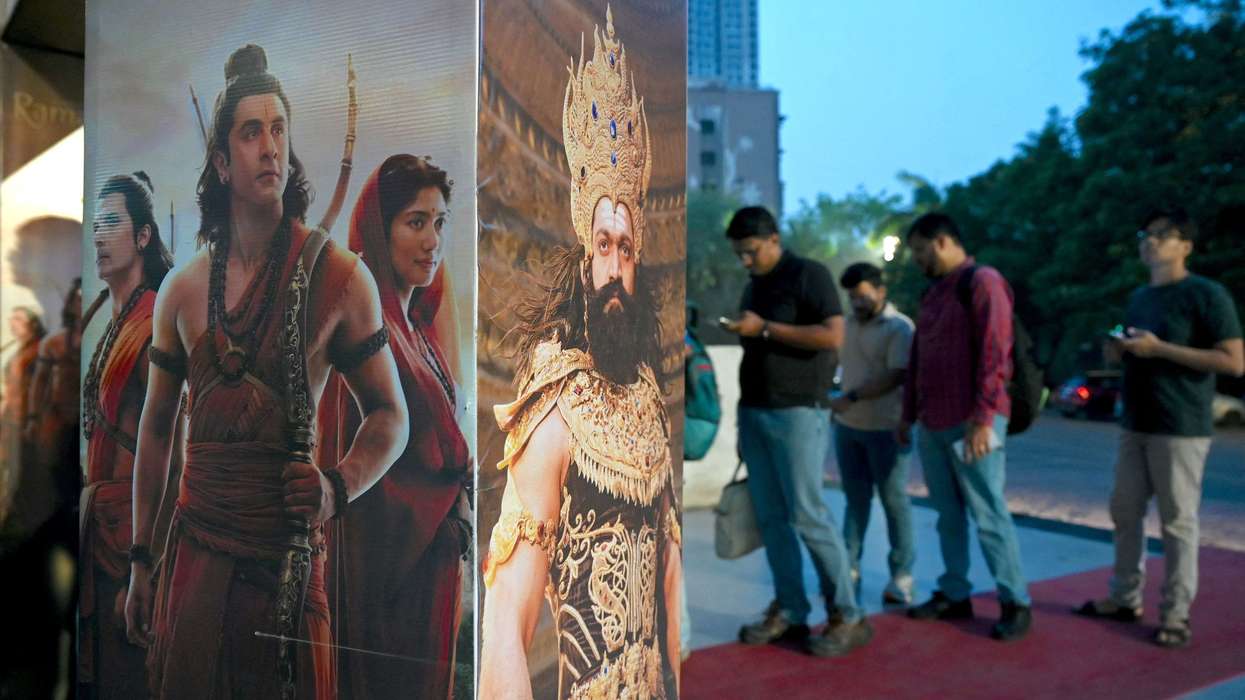
Yash plays Ravana, whose portrayal has attracted attention as viewers consider how the filmmaker will balance the character's power, intelligence and darker qualities.
There have also been questions about characters such as Shabari and Jatayu, particularly whether their stories will feature in the film or have been left out of the adaptation.
Such discussions highlight the challenge of translating an expansive epic into a cinematic narrative. Filmmakers must make choices about which episodes to include, how much detail to retain and how to present familiar characters without losing the larger story.
Nitesh Tiwari's ambitious Ramayana adaptation
The two-part adaptation, directed by Nitesh Tiwari, features Ranbir Kapoor as Rama, Sai Pallavi as Sita and Yash as Ravana. The cast also includes several prominent performers in important roles.
Reportedly being made on a combined budget of around ₹4,000 crore, the project is among the most ambitious Indian film productions.
Based on Valmiki's Sanskrit Ramayana, the adaptation aims to bring the epic to audiences on a massive cinematic scale, with international ambitions alongside its Indian release.
Ramayana: Part 1 is scheduled to arrive in Indian theatres during Diwali 2026.
As anticipation builds, the debate surrounding Sita's dialogue reflects a larger question facing the filmmakers: how to present a familiar and deeply cherished story while making creative choices for a new generation of cinema audiences.