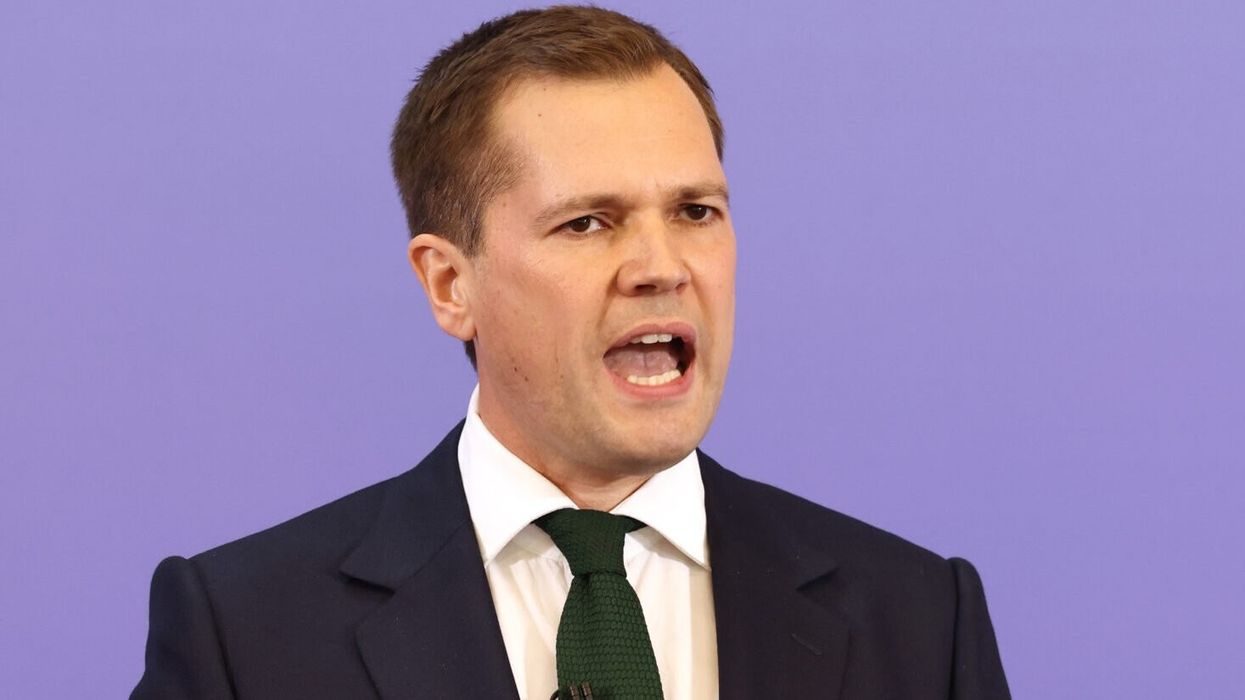

ROBERT JENRICK is trying to clinch the Tory party leadership, but it is such a shame that in seeking to do so, a previously liberal politician has donned the mantle of Enoch Powell.
It seemed curious he resigned as immigration minister from the cabinet of Rishi Sunak, a friend he had previously supported, but it is now clear he was plotting for the future. He was positioning himself for the leadership battle that would follow Rishi’s expected defeat in the general election.
In setting out his vision of an idyllic England in a Daily Mail article, he has harked back to a time when it was essentially a white country. Of course, by focusing on England for the English, he is turning the Scots, Welsh and the Irish into second class citizens.
Embracing the politics of the far right may help him win votes from Tory party members, but won’t help him win the next general election.
“A nation should put its own citizens first,” he says.
Own citizens?
Although not explicitly spelt out, I think he means white people. That cuts out the UK-born children and grandchildren of first-generation immigrants. They consider themselves to be British, though not necessarily English in the sense Jenrick uses the word.
“But let’s be clear: the combination of unprecedented migration, the dismantling of our national culture, non-integrating multiculturalism and the denigration of our identity has presented huge problems,” he says.
By “national culture”, I think he means a return to the old days when the British empire was not questioned in the way, say, William Dalrymple, Sathnam Sanghera or Corinne Fowler have done in their books. The young do see Britain and many British institutions benefited from the slave trade before it was abolished.
The problem of immigration is complex. In a country with an ageing population, especially one in which many people no longer seek employment, young immigrants are needed to secure pensions. And, yet, as Jenrick points out, absorbing foreign cultures is not easy.
Britain needs immigrants, as do many west European countries, because the working population is dwindling.
Jenrick says: “A nation cannot exist without a border, but the UK has experienced record illegal migration – and England has been saddled with the brunt of the burden. And, most importantly, the ties that bind a nation together fray if we have huge numbers of people arriving over a short period of time.
It is England, and England’s cities in particular, that have been most affected by the unprecedented mass migration of the past 25 years. This influx has put our roads, GP surgeries and schools under pressure, while not making England, or any part of the UK, richer.”
That is rabble rousing and not the speech of a future prime minister. The difficulty is neither Jenrick nor any of the current Tory leadership candidates are quite in Rishi’s class. Perhaps Rishi’s day is done, but “Enoch Jenrick” is not the answer.



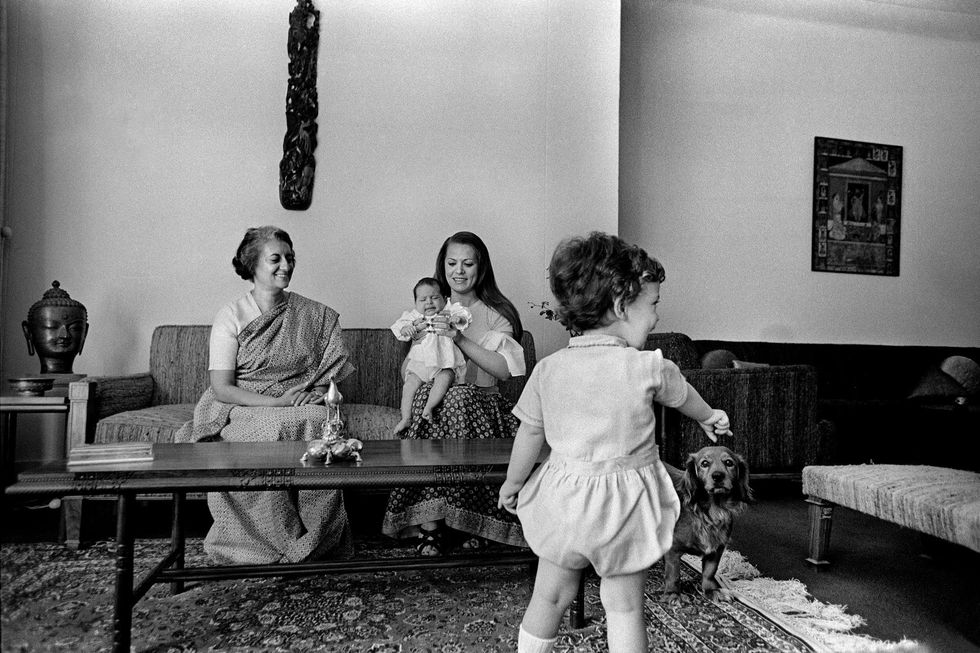 Indira Gandhi with Sonia and her children, Rahul and PriyankaAgencies
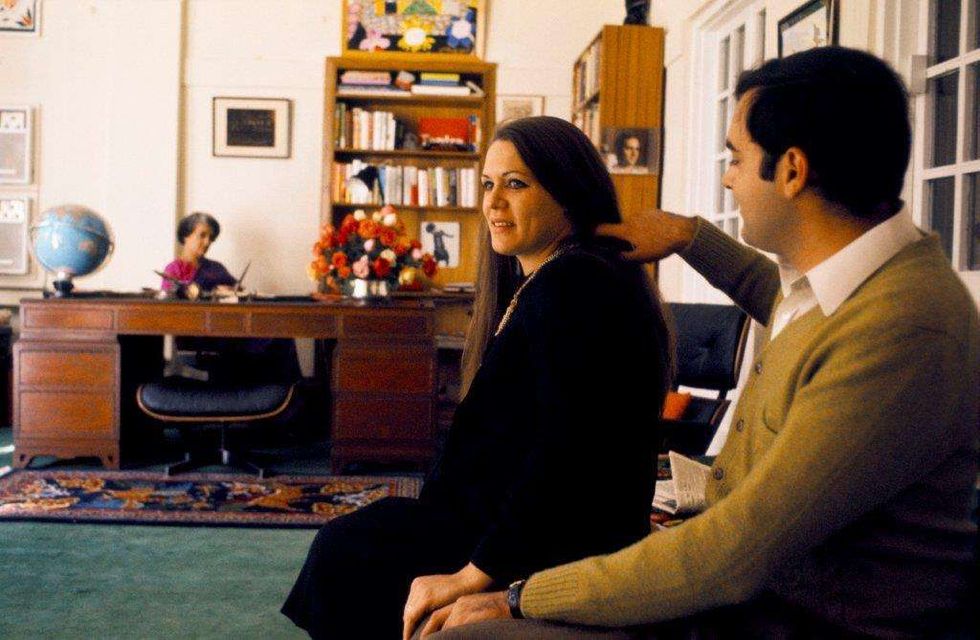 Sonia and Rajiv Gandhi in Indira Gandhi’s officeMarilyn Stafford
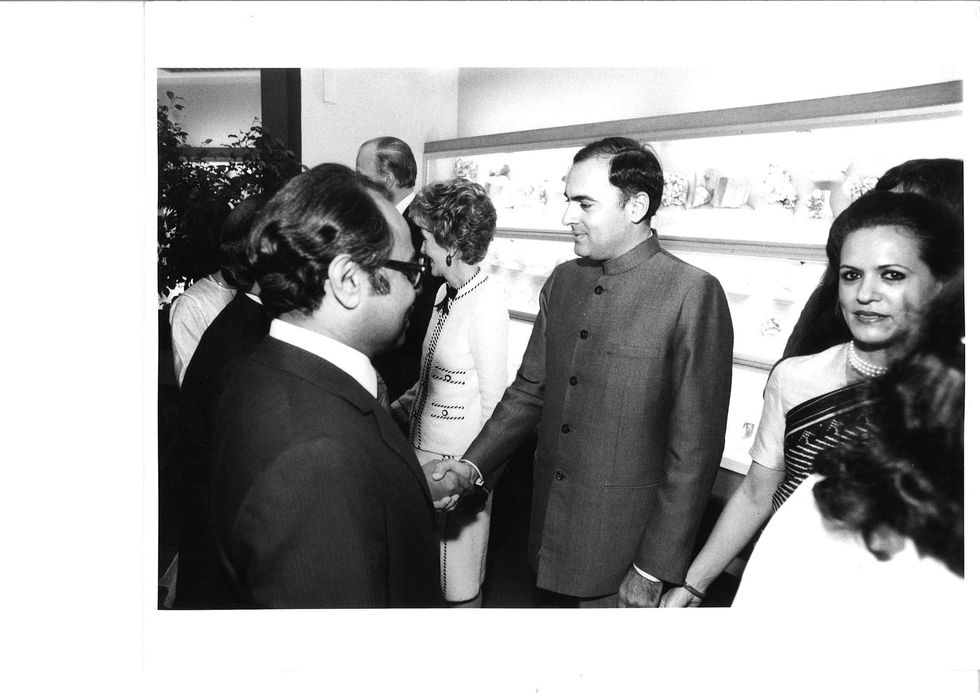 Rajiv and Sonia GandhiAgencies