
Highlights
- Primark sales weakened in April due to Middle East conflict.
- Separation from Twinings owner will cost £75 million.
- Sugar business facing losses, European sales down 5.6 per cent.
ABF announced the split on Tuesday while reporting weaker sales and profits. The company owns both Primark and well-known food brands like Twinings tea, Kingsmill bread and Patak's curry sauces.
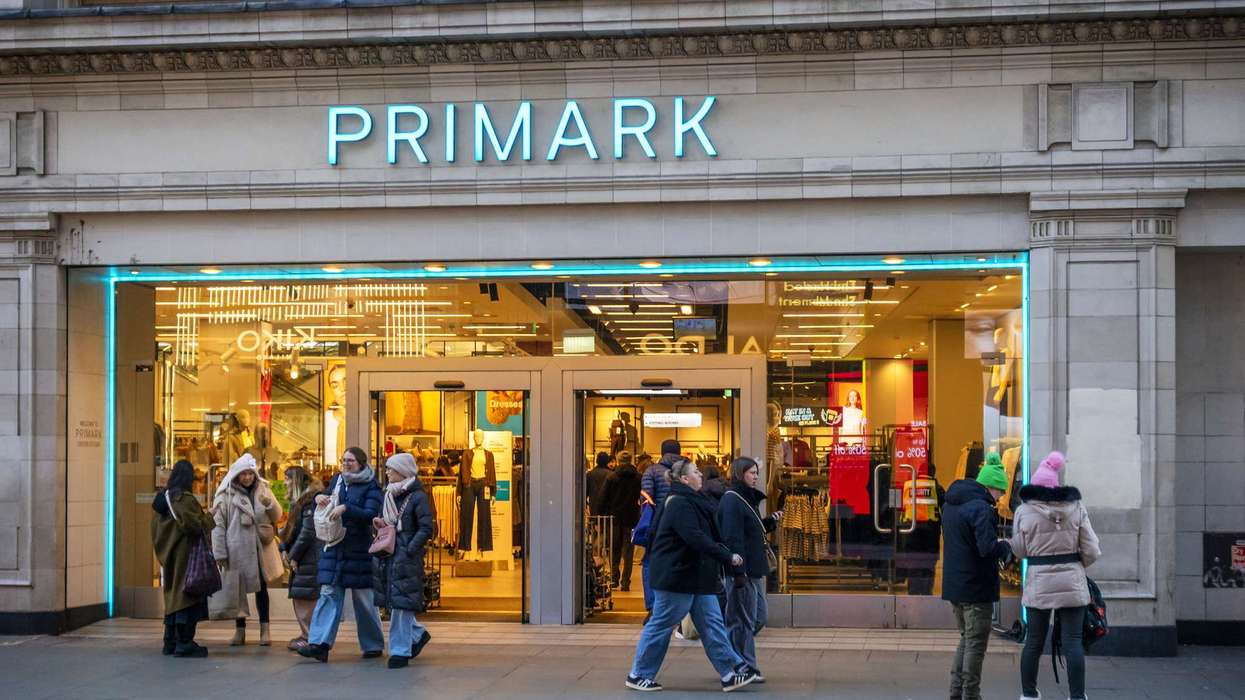
Currently, Primark operates 486 stores across 19 countries. After the separation, it will become an independent company with its own stock market listing.
Why is this happening now?
The company is facing pressure from multiple directions. Sales at Primark stores worldwide fell 2.7 per cent in what ABF called a "difficult clothing market".
The Middle East conflict has started affecting consumer behaviour. The company said March trading was encouraging but April turned softer as the conflict began impacting shoppers.
Chief executive George Weston warned: "There is a risk to Primark sales if the conflict persists and consumer spending deteriorates."
Beyond Primark, other parts of the business are struggling. The sugar division performed worse than expected and will report an annual loss. The grocery business faced weak trading in America.
Conflict takes toll
In mainland Europe, Primark sales dropped 5.6 per cent as consumer confidence weakened. The UK was the only bright spot, where Primark actually gained market share.
Group sales fell 2 per cent to £9.46 bn in the six months to February. Pre-tax profits dropped 9 per cent to £632 m.
 Shareholders will swap each current share for one share in Primark and one share in the new food companyiStock
ABF chairman Michael McLintock said splitting the businesses was "the best way to maximise long-term returns for shareholders".
The company believes both Primark and the food division will perform better as independent companies.
The separation will cost £75 m to complete. Shareholders will swap each current share for one share in Primark and one share in the new food company.
The two companies will lose £45 m in benefits they currently get from working together, such as shared services and bulk purchasing power.
George Weston, from the family that controls ABF, will lead the food business. Eoin Tonge will remain as Primark's chief executive.
What happens next?
The food division is waiting for approval to buy rival Hovis. It has offered to sell its Northern Irish bakery to address competition concerns.
Both companies are expected to join the FTSE 100 stock index once separated. Weston said the split would help investors better understand each business.
Shares in ABF fell 5 per cent on Tuesday after the announcement, reflecting investor concerns about the mounting challenges facing both divisions.