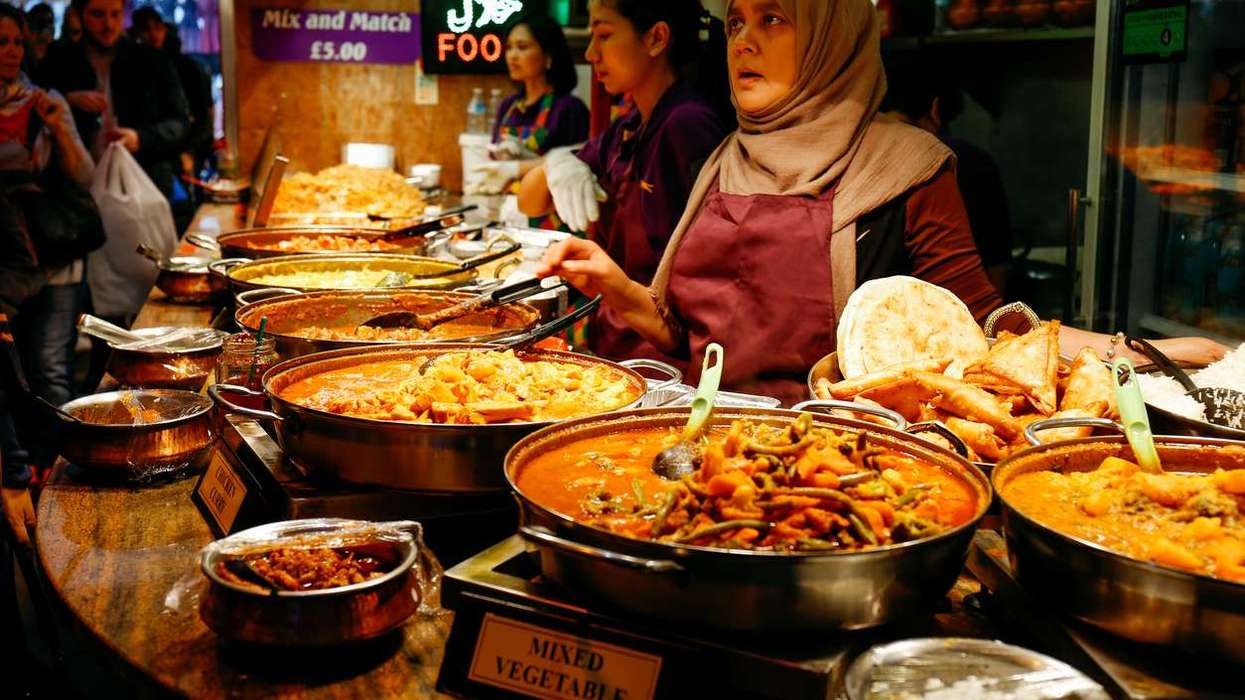

The price of a pint in central London has quietly moved past £10 in plenty of venues. Grocery bills have risen steeply too. Even eating out, once a normal part of family life, now takes more planning than it used to. For British Asian households, these pressures often land differently, and the reasons go beyond the headline inflation numbers that usually dominate the conversation.
To understand that properly, it helps to look at how British Asian communities shop, cook and socialise, and at the practical ways people are already adapting on the ground.
The Structural Reasons the Squeeze Feels Different
British Asian households often spend a bigger share of their income on food than the national average. Larger families, multigenerational homes and culturally specific diets all play a part. Staples such as spices, lentils, fresh vegetables and specialist ingredients bought from Asian grocers are affected by their own supply chain problems, which do not always match the price movements seen in mainstream supermarkets.
The Office for National Statistics tracks food inflation across the UK, but broad national data does not always show what is happening to specialist categories in enough detail. Items such as halal meat, South Asian vegetables and particular rice varieties have, at different times, seen sharper increases than the wider averages suggest. Families who depend on those products can end up feeling the pressure more intensely.
Shopping is only part of the picture. Social and dining habits matter too. Many British Asian families still come together regularly for large home-cooked meals instead of relying on restaurant visits, so ingredient costs carry even more weight. For other households, eating out might be the bigger expense. In British Asian homes, the weekly shop often sits at the centre of family life. When the price of ingredients rises, the traditional savings from cooking at home start to shrink.
Entertainment Budgets Under Pressure
Discretionary spending is one of the first areas where households are making tougher choices. British Asian families are not alone in this, but leisure budgets are being examined more closely than they have been for years. That applies across the board, from cinema trips and restaurant meals to streaming services and online entertainment.
Within the wider world of online leisure, people are clearly reassessing what feels worthwhile and what does not. Platforms linked to streaming, gaming and other digital options have all seen changing usage patterns as consumers look more carefully at value. For those comparing online entertainment options, resources like CasinoJager offer information on online gaming platforms, which shows how digital leisure spending is now part of a much wider global discussion. The bigger point is simple. Entertainment choices, whatever form they take, are now being judged with the same care as the food shop.
How Communities Are Responding
Practical changes are already visible across British Asian communities in London and beyond. Most are local, community-led and rooted in habits that people trust.
1. Collective buying through community networks
WhatsApp groups and local associations are organising bulk buys of staples, then splitting sacks of rice, flour and cooking oil between households to bring the cost per unit down.
2. Returning to Asian grocers over supermarkets
In many cases, independent Asian grocery shops are still better value than the big chains for specialist items, especially fresh produce, pulses and spices. The food and lifestyle coverage on Eastern Eye follows these community shopping patterns closely.
3. Seasonal cooking and freezing
More families are cooking in large batches when ingredients are cheaper and freezing portions for later. This works especially well for curry bases, chutneys and marinated meats.
4. Sharing cooking responsibilities across households
Some extended families are rotating cooking duties so one household makes a large meal that can be shared with several others on a particular day.
5. Reducing restaurant frequency without eliminating it
Rather than giving up restaurant meals altogether, many families are cutting back from weekly visits to monthly ones and saving them for celebrations or special occasions.
6. Challenging brand loyalty at the till
For non-specialist products such as cooking oil, tinned goods and cleaning supplies, many shoppers are becoming more flexible about brands when the quality gap is small.
7. Growing herbs and vegetables at home
Small-scale urban growing has quietly picked up again, especially for coriander, chillies and curry leaves. These ingredients spoil quickly, are used often and can feel expensive for the amount you get.
What the Data Suggests About Long-Term Shifts
Food prices are not expected to fall sharply any time soon. The Food Foundation points out that lower-income households, which are disproportionately represented within British Asian communities in some parts of the country, spend a larger share of their income on food. That means inflation hits harder and leaves less room to absorb unexpected costs.
What is happening in British Asian communities is not just a story of coping. In many cases, it is also a return to older ways of managing household costs, including collective buying, batch cooking and sharing resources across family and community networks. These were once standard habits before supermarket culture changed how many households shopped and planned meals. The current cost pressures may be pushing those practices back into everyday use, and this time the shift could last.
This article is paid content. It has been reviewed and edited by the Eastern Eye editorial team to meet our content standards.