
Hair care has become a serious investment for many people, and for good reason. Whether you're dealing with thinning edges, a receding hairline, or just trying to slow down early hair loss, the market is flooded with options — from simple shampoos to elaborate multi-step kits. But one thing that often confuses buyers is pricing. Why does one hair care kit cost ₹500 and another cost ₹3,000? What are you actually paying for?
Understanding what shapes the cost of a hair care kit can help you make a smarter decision — not just a cheaper or more expensive one.
What Goes Into a Hair Care Kit
A basic hair care kit usually includes a shampoo and maybe a serum. A more comprehensive kit might combine a shampoo, conditioner, hair oil, scalp serum, supplements, and a derma roller. The number of products is one of the most straightforward factors affecting price.
But it's not just quantity. The formulation depth matters too. A shampoo that only cleanses is very different from one that also delivers active ingredients like ketoconazole, saw palmetto, or biotin directly to the scalp. More targeted formulations take more research, better raw materials, and stricter quality controls — all of which add to the cost.
Ingredients and Their Quality Tier
This is where pricing differences become most significant. Not all ingredients are created equal, even when the label says the same thing.
- Standardized herbal extracts (like bhringraj or ashwagandha in clinically effective concentrations) cost more than generic plant powders
- Pharmaceutical-grade actives such as minoxidil or finasteride require licensing, stability testing, and careful formulation
- Preservative systems and carrier bases also vary widely in cost and skin compatibility
Cheaper kits often use ingredients at low concentrations — just enough to appear on the label, but not enough to do much. Higher-priced kits tend to use ingredients at therapeutic concentrations, which means the cost per gram of active material is genuinely higher.
Personalization and the Role of Diagnosis
One increasingly common pricing factor is whether the kit is personalized or off-the-shelf. Generic kits are priced for volume. They're built for a broad audience and don't account for the specific type of hair loss a person is dealing with.
Personalized kits, on the other hand, typically begin with a consultation, hair analysis, or diagnostic questionnaire. This takes time, requires trained professionals, and results in a protocol that's tailored to your root cause — whether that's a nutritional deficiency, hormonal imbalance, or a hereditary condition like male pattern baldness, which follows a distinct progression that generic solutions often miss.
The cost of building and maintaining that personalization infrastructure is real, and it shows up in the price.
Brand Positioning and Packaging
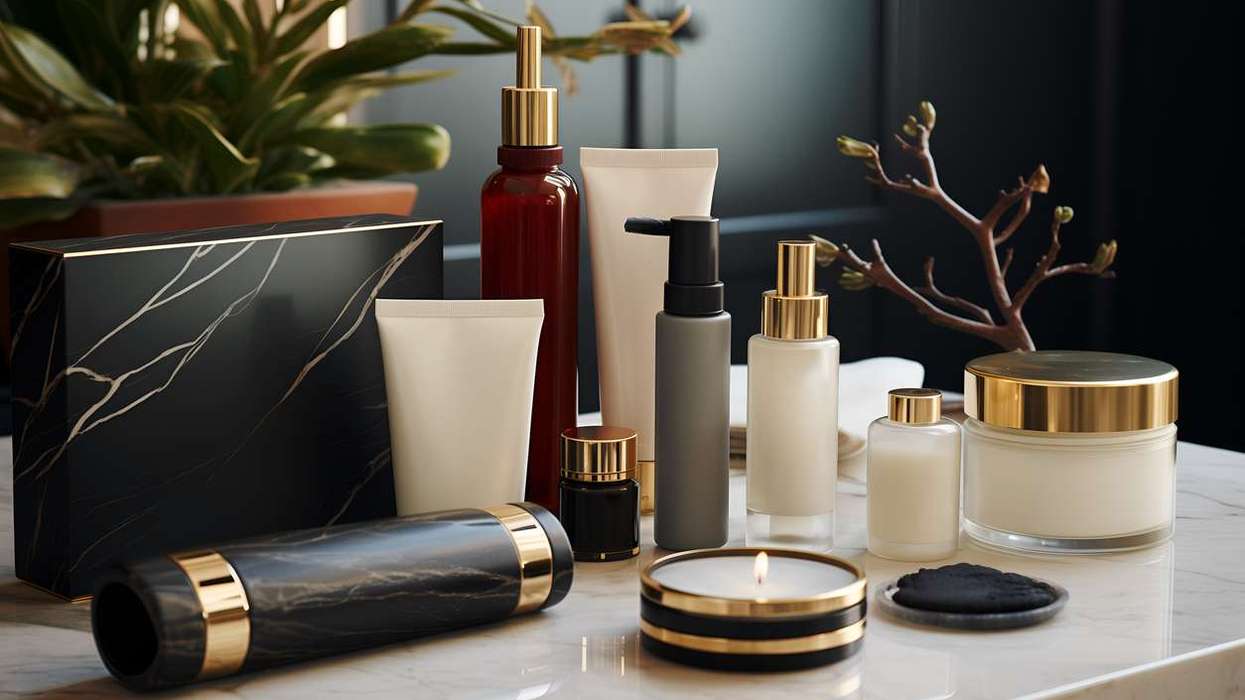
It would be naive to ignore that some of what you pay for is brand value and packaging. Premium packaging, influencer marketing, and retail shelf placement all add overhead costs that ultimately get passed on to the consumer.
This doesn't mean premium-looking products are always better, but it does mean you should look past the packaging when evaluating a kit. A product in a plain white bottle with a solid formulation can outperform something beautifully boxed with weak ingredients.
When exploring options, it helps to understand the actual Traya hair kit price structure as an example — it reflects the layered cost of diagnosis, personalization, and combining internal and external treatments, rather than just a single product in a nice bottle. Some treatment approaches like Traya are built on identifying the root cause first, which fundamentally changes what goes into the kit and why it costs what it does.
Duration and Completeness of the Regimen
Another factor people often overlook is how long one kit is designed to last and whether it addresses the problem at multiple levels. A kit that includes nutritional supplements alongside topical products costs more upfront but may be more complete in its approach.
Hair loss, in most cases, isn't just a scalp problem. It can be tied to poor gut absorption, stress hormones, sleep disruption, or systemic inflammation. A kit that only works on the outside addresses half the issue at best.
Final Thoughts
Price alone is not a reliable indicator of quality when it comes to hair care kits. What matters more is whether the product is formulated at effective concentrations, whether it's matched to the right type of hair loss, and whether it takes a complete approach rather than a surface-level one. Before spending money on any kit, it's worth asking: does this address why my hair is falling — or just what's visible on the outside?This article is paid content. It has been reviewed and edited by the Eastern Eye editorial team to meet our content standards.