
Highlights
- First India-inspired blend in Johnnie Walker’s nearly 200-year history
- Notes of cardamom, saffron, rosewater and citrus, drawn from Indian cooking
- Limited edition on sale in India, the UK, the US and global duty free
- India was Scotch whisky’s biggest export market by volume in 2025, at more than 220 million bottles
JOHNNIE WALKER, the world’s best-selling Scotch whisky brand, has created a Blue Label blend inspired by Indian cuisine. Owner Diageo says it is the first time in the brand’s nearly 200-year history that it has done so.
The limited-edition Johnnie Walker Blue Label Festive Blend will be available in key markets including India, the UK, the US and global duty-free channels, the company said.
The blend was created by Johnnie Walker’s Master Blender, Dr Emma Walker. She said she drew inspiration from the way Indian chefs balance bold spices and diverse flavours.
The result brings together notes of cardamom, saffron, rosewater and citrus, alongside honey, chocolate-dipped fruit, warm spices and a gentle hint of smoke, she said.
The whiskies used in the blend come from Johnnie Walker’s inventory of more than 10 million casks, the company said.
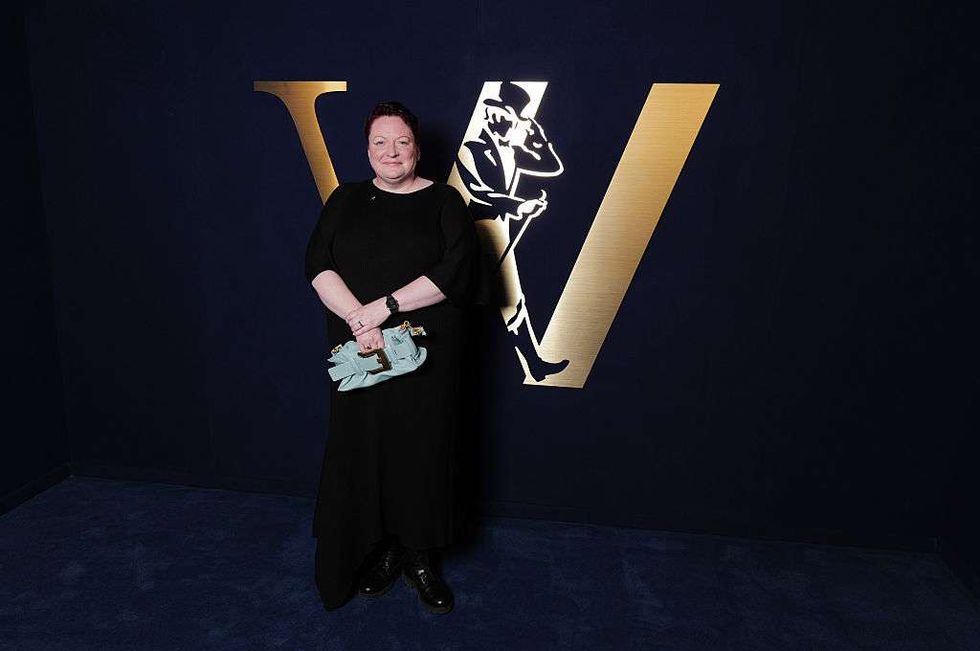 FILE PHOTO: Dr. Emma Walker (Photo by Craig Barritt/Getty Images for Johnnie Walker Blended Scotch Whisky)
“Only one in every 10,000 casks is considered to possess the remarkable depth of flavour required for Johnnie Walker Blue Label, and even fewer were chosen in the making of this blend,” it said.
Why India matters to Scotch
Diageo has made clear the launch is about more than flavour. Ruchira Jaitly, chief marketing officer of Diageo India, said India was shaping the future of whisky.
“As the world’s largest whisky market by volume, India is playing an increasingly important role in shaping the future of the category. At the same time, we are seeing consumers seek luxury experiences that feel more distinctive, immersive and culturally relevant,” she said.
India is also the biggest importer of Scotch whisky. According to the Scotch Whisky Association, it was Scotch’s largest export market by volume in 2025, with exports equivalent to more than 220 million bottles.
India’s drinks market is gradually shifting towards premium and luxury products. That shift is being driven by rising affluence, changing drinking habits and growing demand for high-quality, distinctive products.
The launch also comes months after the India-UK Free Trade Agreement came into effect on July 15, 2026.
The deal cuts import duties on Scotch whisky in India from 150 per cent to 75 per cent, with a phased reduction to 40 per cent over the next decade. It is expected to boost Scotch sales in India.
(with inputs from PTI)