
Highlights:
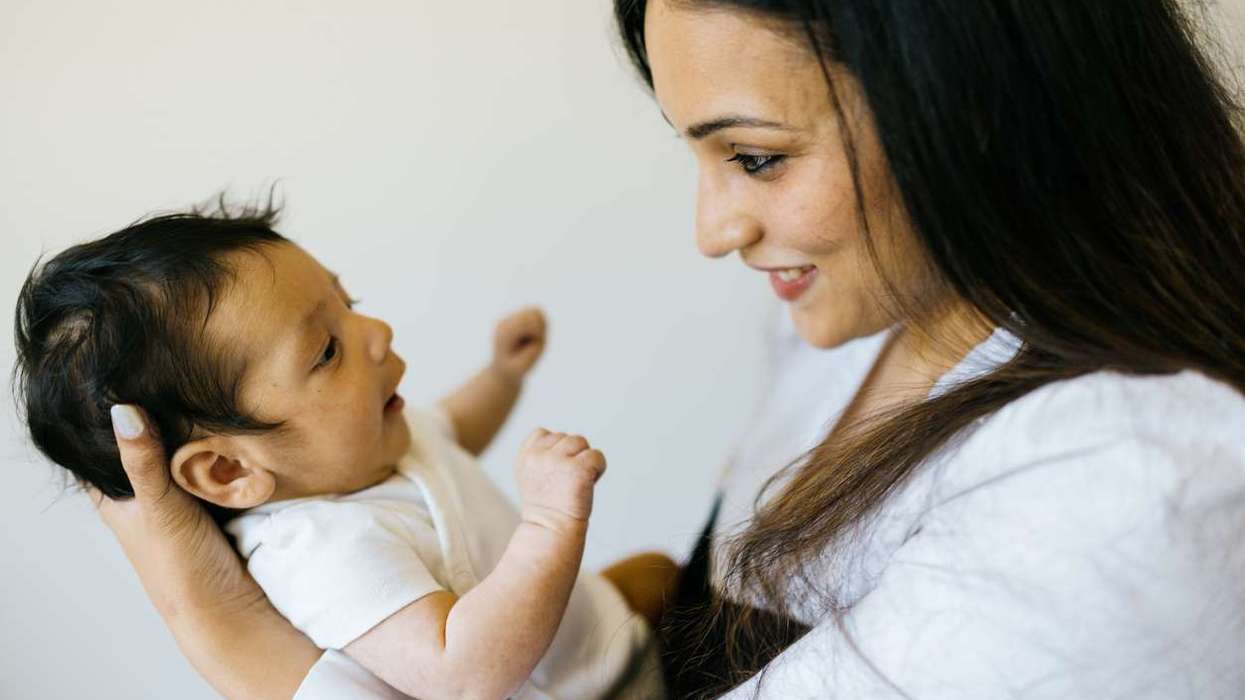
THINK about the first month after a baby comes home in most of our families. The doorbell does not stop. There are sweets, advice on oiling and swaddling, an aunt with opinions on feeding, and everyone wants to hold the baby.
And the mother? Someone asks if she’s resting. “Haan, haan,” she says, and within a minute, we are all back to discussing whose nose the baby has. So who is actually looking at HER?
In our homes, the family sees a new mother long before any professional does. A health visitor might get half an hour with her. Her husband, mother and mother-in-law see the new mum at 3am. They would notice first, if they knew what to look for.
And the services? They are not reaching her nearly as well. When researchers looked at a whole year of births in England, Asian mothers were less likely than white British mothers to receive community mental health care around the time of birth.
But here’s the bit I keep coming back to: once they did get there, they attended their appointments more reliably. So the problem isn’t her willingness. It’s getting through the door at all. And when UK researchers spoke to black and south Asian women who had accessed perinatal services, hardly any of them had known these services existed beforehand.
So what should a family watch for? The baby blues are very common and normal: feeling tearful, overwhelmed or up and down. They usually settle within about two weeks. What continues beyond two weeks is what matters.
She cannot sleep even when the baby is asleep, feels snappy and on edge, or flat and distant. She might stop answering the phone, avoid visitors she used to enjoy or keep calling herself a bad mother. Postnatal depression can also begin during pregnancy or months after the birth.
 Dr Rati KhuranaX
In my work, I often see it surface when the house empties: the husband is back at work, her mother returns home, and the help that was everywhere suddenly isn’t.
Saying something is harder because of log kya kahenge (what will people say), and because nobody wants her to feel she has failed. One plain, kind question does more than any amount of advice. Not “you should get out more”, not “think positive”, just: “You don’t seem yourself. How are you, really?” And then listen, without trying to fix everything.
If you are the husband and your parents need to understand, you should be the one to talk to them. It shouldn’t be one more thing on her.
One fear keeps so many women silent: that if they admit they are struggling, their baby will be taken away. In UK research, it was the most common reason women stayed quiet. The NHS says this is very rare. Yes, the fear is real. But it almost never happens. Somebody has to say that to her, out loud.
So where does she go? Honestly? Start with whoever is already around her: the GP, the midwife or the health visitor who visits anyway. Hardly any family I meet knows she can refer herself for NHS talking therapies. No GP referral is needed. The postnatal check with the GP is meant to cover how the new mum is feeling too. It’s not just about her stitches and the baby’s weight. So tell her it’s okay to be honest in that room instead of being polite.
Many south Asian families turn first to the gurdwara, mosque or temple, or to an elder they trust. Prayers and a doctor’s visit can coexist.
Postpartum psychosis, which affects roughly one mother in a thousand, can develop very suddenly, usually in the first couple of weeks. She may be confused, see or hear things that aren’t there, hold unusual beliefs or become unusually energetic despite getting very little sleep.
The cruel part is that the new mum often cannot recognise it herself. So it falls to the family. Please don’t wait until morning. Call the GP and ask for her to be seen the same day, or ring NHS 111. And if you feel anyone might get hurt, call 999 or take her to the emergency..
I’ve had years of training, and my own first months as a mother still flattened me: the feeding battles, the nights that would not end, the guilt. Knowing the theory didn’t make me immune, not one bit. What helped was somebody asking.
The good news is that women can recover, particularly with treatment. UK research a couple of years ago found that group sessions tailored for British south Asian mothers helped participants recover faster than those receiving usual care. Somebody at home just has to open that door.
When the next visitor asks about the baby, let someone in the room ask about the new mum too, because she was also born that day.






 Dr Kalpana PurshottamdasX