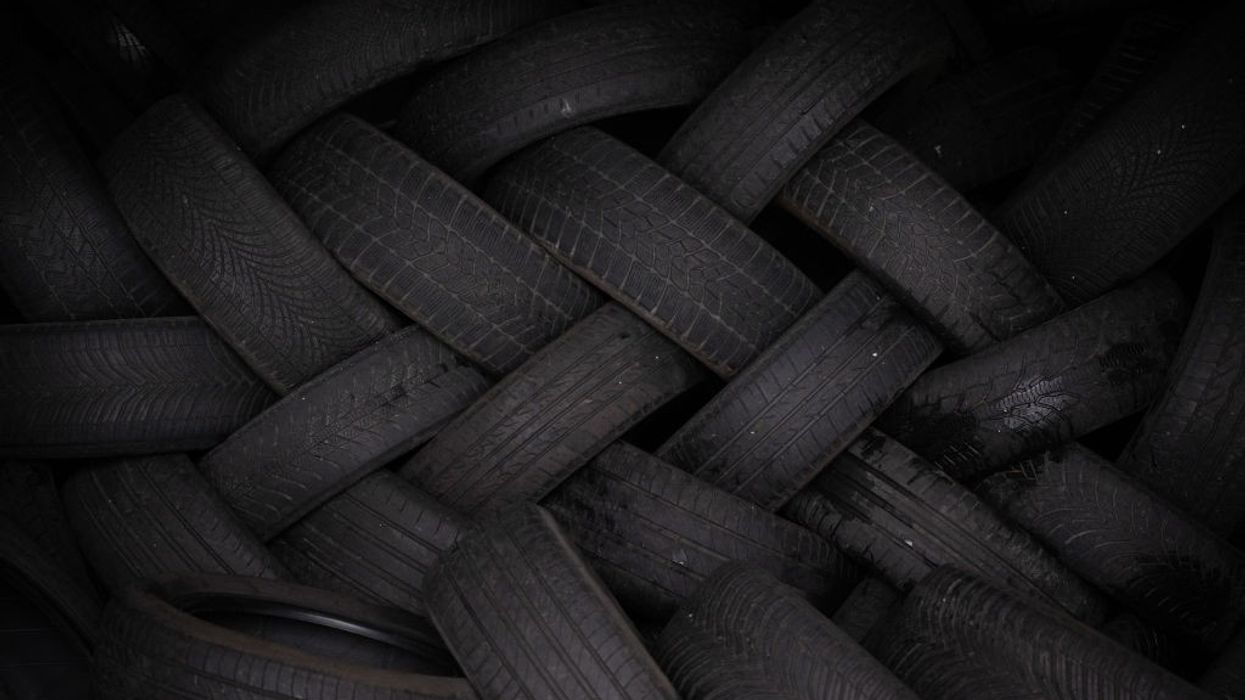

MILLIONS of waste tyres from the UK are being shipped to India and processed in makeshift, unregulated furnaces, causing serious environmental damage and health risks to local communities, a BBC investigation has revealed.
The UK produces around 50 million waste tyres annually, with approximately half exported to India under the guise of recycling. However, investigations show that up to 70 per cent of these tyres end up in primitive industrial plants where they undergo a dangerous process called pyrolysis.
Elliot Mason, owner of a major UK tyre recycling plant, explained the industry's open secret: "I don't imagine there's anybody in the industry that doesn't know it's happening."
In these rural Indian facilities, tyres are heated to around 500°C in oxygen-free environments, extracting steel, oil, and carbon black. The process takes place in what experts describe as homemade "pressure cookers" that emit dangerous gases and chemicals, the BBC report said.
Drone footage and on-site investigations by the broadcaster documented clusters of soot-covered compounds where thousands of tyres are burned. At one location near Mumbai, villagers reported persistent health issues. "We want these companies moved from our village," one local resident said, "otherwise we will not be able to breathe freely."
Scientists from Imperial College London warned that workers consistently exposed to these atmospheric pollutants face significant health risks, including respiratory, cardiovascular, and neurological diseases, and certain cancers.
The investigation uncovered that many UK businesses find it more profitable to export tyres rather than invest in proper recycling machinery. Some traders admitted to exporting far beyond their legal limits, with one dealer claiming "90 per cent of English people" are involved in this practice.
A tragic incident in January in Wada, Maharashtra, saw two women and two children killed in an explosion at a pyrolysis plant processing European-sourced tyres. Following the incident, local authorities shut down seven plants.
The investigative team worked with an industry expert who pretended to be a tyre broker looking to sell waste tyres to India. During their probe, they reached out to six dealers, with four openly admitting to handling substantial quantities of waste tyres.
One dealer even revealed he had shipped 10 containers of tyres in a week - equivalent to around 250 tonnes, which significantly exceeded his legal export allowance by more than five times.
The Department for Environment, Food and Rural Affairs (Defra) said they are considering reforms on waste exemptions, committing to "transitioning to a circular economy".
Campaigner Georgia Elliott-Smith described the situation as a "massive, unrecognised problem" and is calling for tyres to be reclassified as hazardous waste.
Australia has already taken action, banning tyre bale exports in 2021 after discovering that none of the exported materials were reaching their documented destinations.



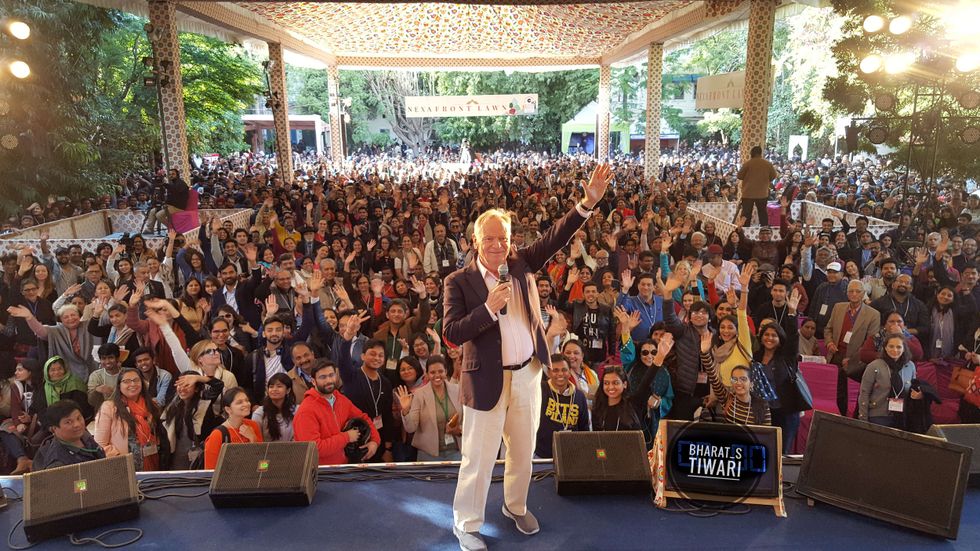 Jeffrey Archer at Jaipur Literary Festival in 2019Eastern Eye
 Jeffrey Archer part of the menuAmit Roy
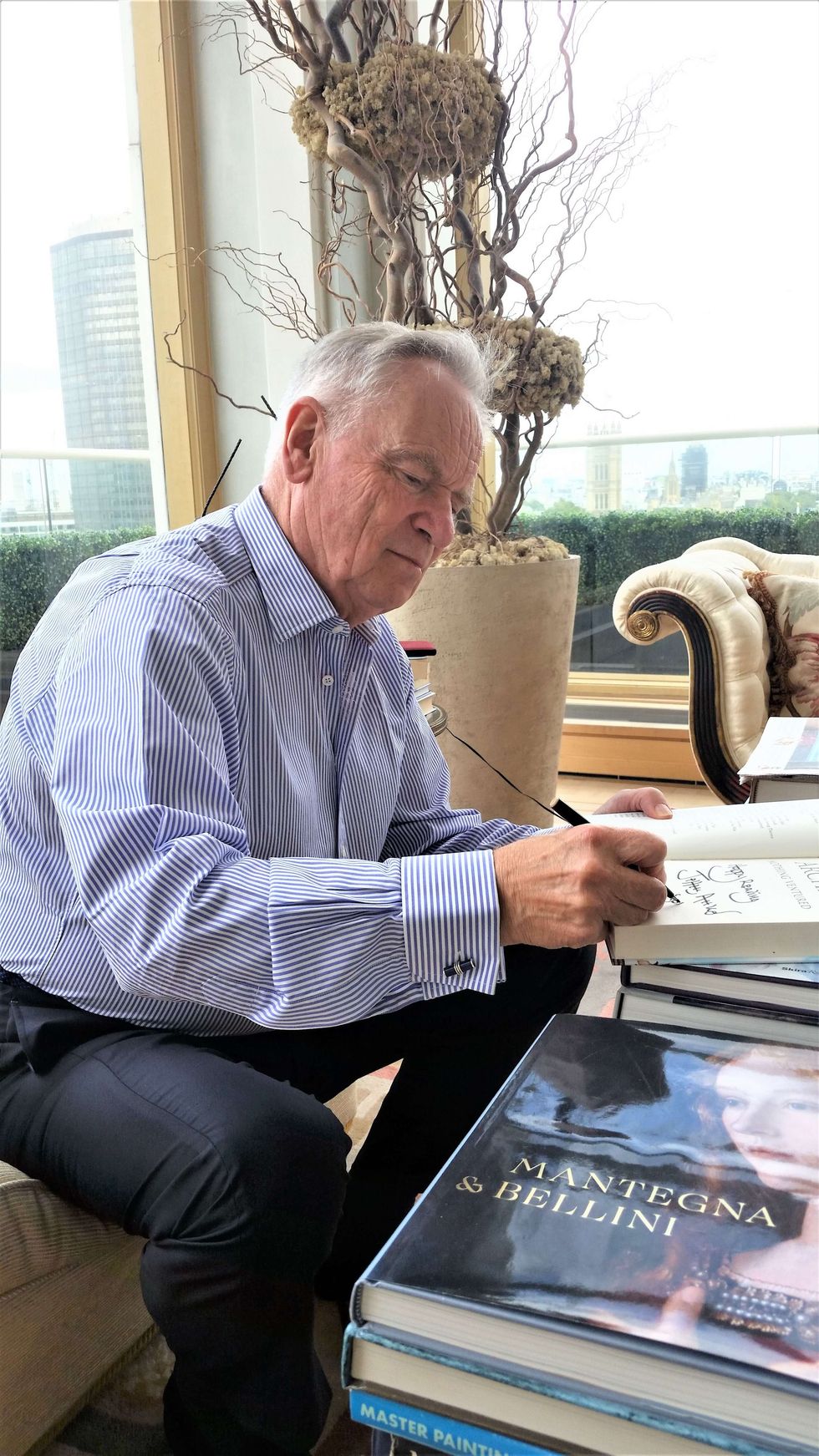 Jeffrey Archer signing a book Amit Roy
 Jeffrey Archer with Sharmila Tagore and her family at an auction dinner in London in 2013Eastern Eye
 Jeffrey Archer Eastern Eye
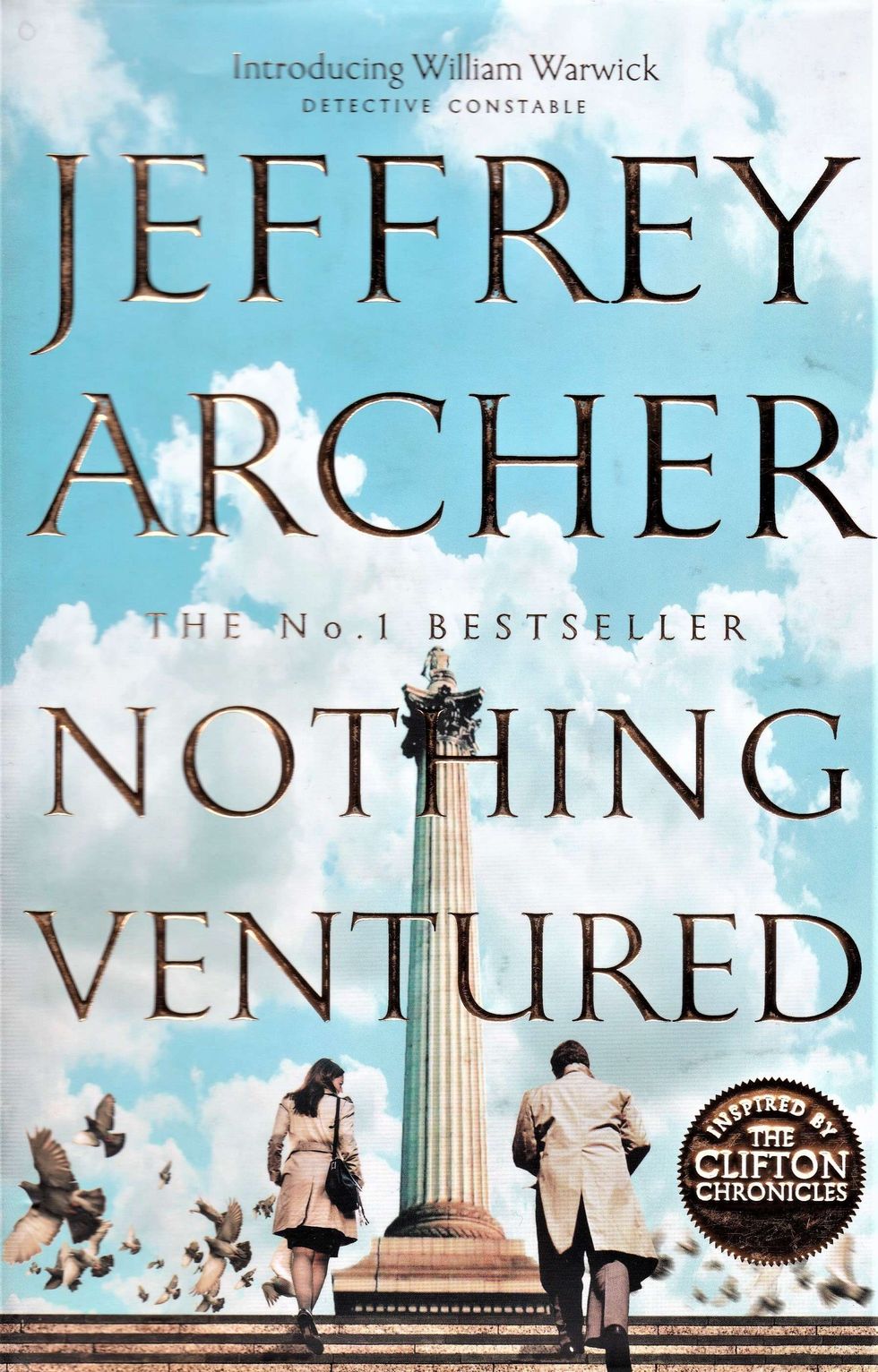 Cover of one of his booksEastern Eye