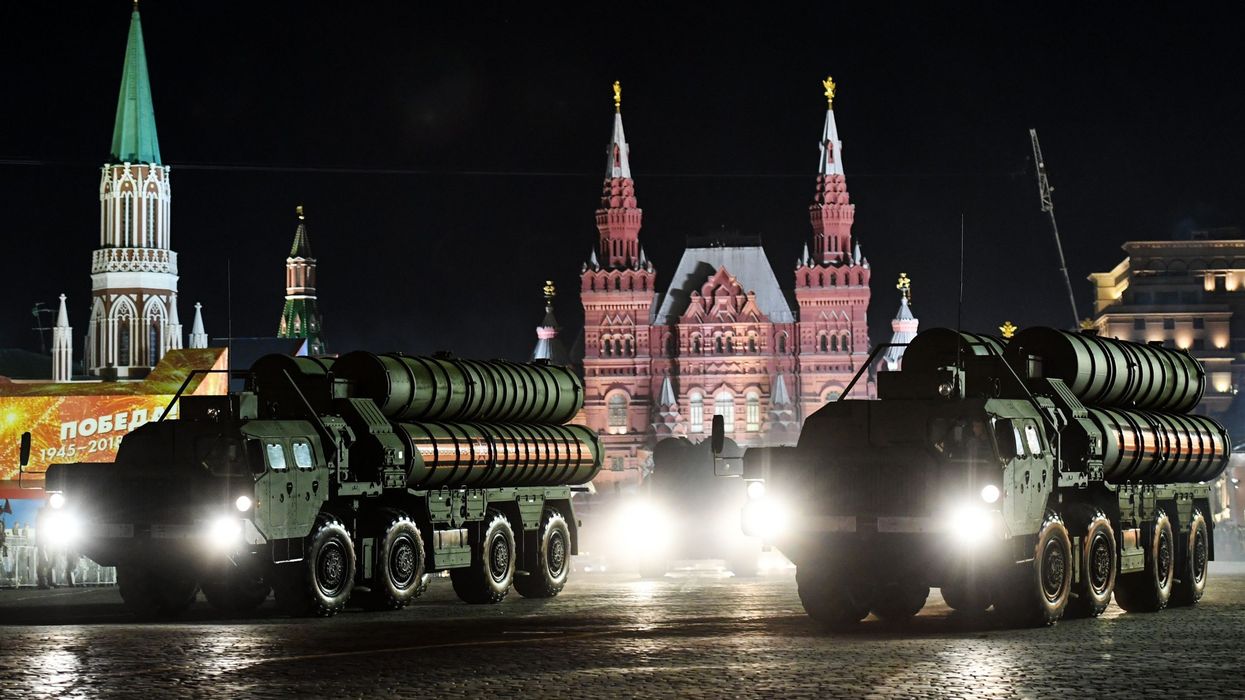

RUSSIA selling S-400 air defence missile system to India puts spotlight on the "destabilising role" that Moscow is playing in the region and potentially beyond as well, the United States has said.
In October 2018, India signed a USD 5 billion deal with Russia to buy five units of the S-400 surface-to-air missile defence system, despite a warning from then Donald Trump administration that going ahead with the contract may invite US sanctions. India has asserted that its decisions were based on national interest to protect its national security.
“Well in many ways, this doesn't change the concerns that we have with the S-400 system. I think it shines a spotlight on the destabilising role that Russia is playing not only in the region but potentially beyond as well,” State Department spokesperson Ned Price told reporters on Thursday (27) during his daily news conference.
The US was urging all countries to avoid major new transactions for Russian weapon systems, Price said, amid escalating tensions between Washington and Moscow over Ukraine. The Biden administration has not yet clarified whether it will impose sanctions on India under the provisions of the Countering America's Adversaries Through Sanctions Act (CAATSA) for procuring the S-400 missile systems.
“When it comes to CAATSA sanctions, you've heard me say before, we haven't made a determination with regard to this transaction, but it's something we continue to discuss with the government of India given the risk of sanctions for this particular transaction under CAATSA,” he said.
CAATSA is a tough US law that was brought in 2017 and authorises the US administration to impose sanctions on countries that purchase major defence hardware from Russia.
Price was responding to a question on implications of the Russian S-400 'Triumf' air defence missile systems to India on Washington's bilateral ties with New Delhi given the unprecedented tension it is having with Moscow on what it calls an imminent Ukrainian invasion.
The build-up of tens of thousands of Russian troops on Ukraine's borders in recent weeks has stoked fears of an invasion. But Russia denies it is planning an attack.
The US imposed sanctions on Turkey in 2020 under the CAATSA for the purchase of a batch of S-400 missile defence systems from Russia.
Following the US sanctions on Turkey over the procurement of S-400 missile systems, there were apprehensions that Washington may impose similar punitive measures on India. Russia has been one of India's key major suppliers of arms and ammunition.
Despite strong objections from the US and threat of sanctions from the Biden administration, India has refused to make any changes in its decision and is going ahead with the purchase of the missile defense system.
India pursues an independent foreign policy and its defence acquisitions are guided by its national security interests, the Ministry of External Affairs (MEA) said in November last year.
On Thursday, State Department spokesperson Price said the US was urging all countries to avoid major new purchases of Russian weapons.
“Whether it is India, whether it is any other country, we continue to urge all countries to avoid major new transactions for Russian weapon systems,” Price said.
The Biden administration, so far, has not taken any decision on CAATSA sanctions. “I don't have a timeline to offer, but these are issues that we continue to discuss with our partners in India,” Price said.
The S-400 is known as Russia's most advanced long-range surface-to-air missile defence system.
(PTI)