
by MITA MISTRY
A NEW wave of writers like AA Dhand, Abir Mukherjee and Amer Anwar have added an exciting dimension to the British Asian literary landscape with their explosive crime novels.
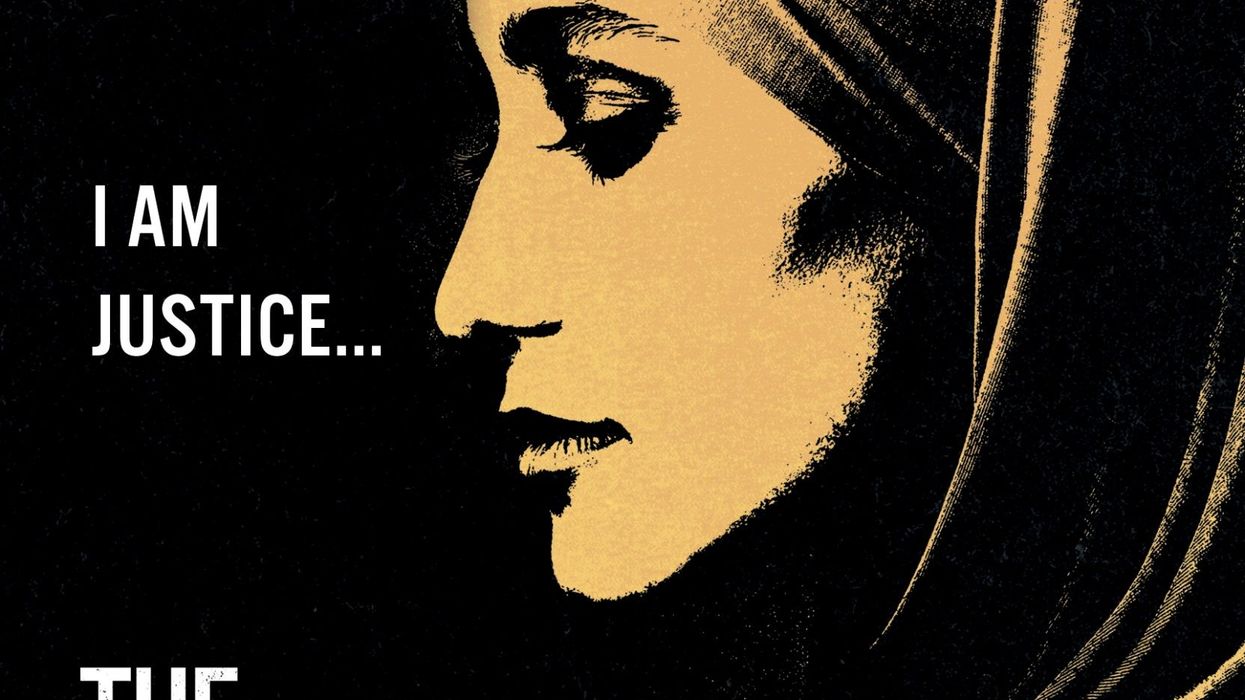
Saima Mir’s debut novel has made this fast-growing genre even more interesting, largely thanks to an original story and perhaps the most unique protagonist ever featured in a British thriller.
A successful Muslim lawyer named Jia, who is living in London, is called back to her roots in the north of England and must reconnect with a dark past when her crime-boss father is murdered. There is a rush to fill the power vacuum and instead of retreating, Jia steps into her father’s shoes and takes on the misogynist, male-dominated underbelly of a city she grew up in. The determined young woman faces her past demons and any evil that lurks head-on.
Although it doesn’t reach the heights of the great mafia stories and other crime novels, what The Khan offers is an exceptional stereotype-smashing protagonist who sets fire to the more usual weak images of Muslim females.
On one hand, this is a straight-up thriller with a female using her power to outsmart those trying to destroy her, but on the other, it is an emotional family drama and a story of facing a past that was believed to have been left behind. An interesting exploration of community and loyalty also run through the plot.
The fresh voice and easy-to-read prose is beautifully crafted and would be more associated with someone who has authored many books. Skilfully written, this story is more universal than most crime novels. Don’t be surprised if you see The Khan turned into a film or TV drama series.






 Fashion shows often end with a showstopper walkGetty Images
 The collection, titled Devi: The Eternal MuseGetty Images
 The live shringar transformed the actor's appearance before the audience's eyesGetty Images
 Her beauty look featured winged eyeliner, softly highlighted skin and loose wavesGetty Images