
THE UN improperly collected and shared data from more than 800,000 Rohingya refugees in Bangladesh, passing it on to Myanmar, the country they fled, Human Rights Watch claimed on Tuesday (15), urging an investigation.
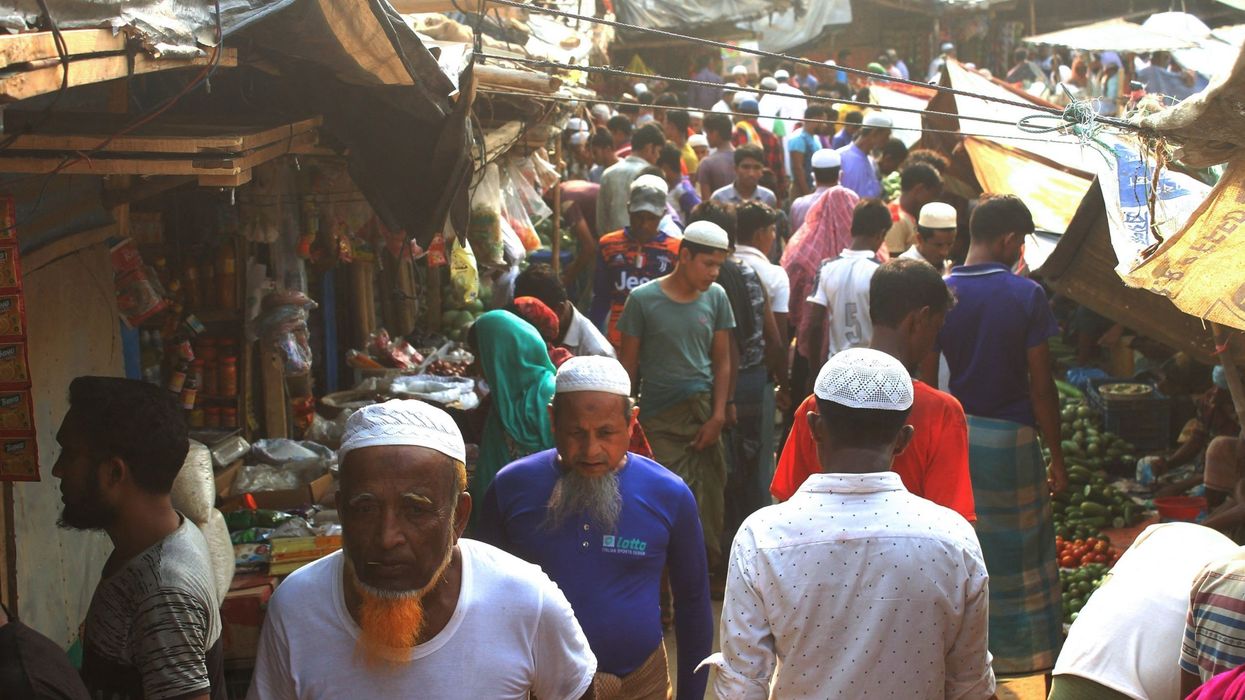
Over the past three years, the United Nations refugee agency has registered hundreds of thousands of Rohingya refugees in Bangladeshi camps, enabling Dhaka to provide them with identity cards needed to access essential aid and services.
But according to a fresh HRW report, the refugees were generally not made aware that the data they were providing would also be used by the Bangladeshi government to submit details about them to authorities in neighbouring Myanmar, with a view to possible repatriation.
The UNHCR refuted this, with spokesman Andrej Mahecic saying the refugee agency has “clear policies in place to ensure the safeguarding of the data we collect when registering refugees all over the world”.
HRW however said the refugees often likely did not understand that the data being collected, including photographs, fingerprints and biographic data, could be shared with Myanmar.
This, the report said, was particularly concerning in the case of the approximately 880,000 Rohingya refugees in Bangladesh, many of whom fled a 2017 crackdown in Myanmar that UN investigators say amounted to genocide.
“The UN refugee agency’s data collection practices with Rohingya in Bangladesh were contrary to the agency’s own policies and exposed refugees to further risk”, Lama Fakih, HRW’s crisis and conflict director, said in a statement.
The UN agency insisted its staff asked Rohingya for permission to share their data for repatriation eligibility assessments and explained that the so-called Smart Card needed to access aid would be issued regardless of whether they agreed to sharing the information.
It also said it had provided individual advice to ensure refugees “fully understood the purpose of the exercise”.
Myanmar does not recognise the Rohingya as citizens, but has said it will welcome back those agreeing to a bureaucratic status below full citizenship.
The UNHCR stressed that any returns to Myanmar would be “based on the individual and voluntary choice of refugees”.