
BRITAIN'S government has said it would add to the list of criminal content which tech firms will have to combat actively under a new law, or risk fines of up to 10 per cent of their global turnover.
Under previous plans for the legislation, search engines, social media and video-sharing platforms were already due to be required to prioritise measures to reduce the chance of users stumbling across material on terrorism or child sexual abuse.
As part of the broader proposals, this list will be extended to cover sexual images posted without the participants' consent, hate crimes, fraud, drug dealing, illegal weapon sales, promotion of suicide, people smuggling and sexual exploitation.
Also Read | Authorities struggle as nature of child sexual exploitation changes, report finds
Current laws generally only require tech companies such as the owners of Google or Facebook to take down this type of material if they receive a complaint.
 Strong male hands cover little girl face with emotional stress, pain, afraid, call for help, struggle, terrified expression.Concept Photo of abduction, missing, kidnapped,victim, hostage, abused child
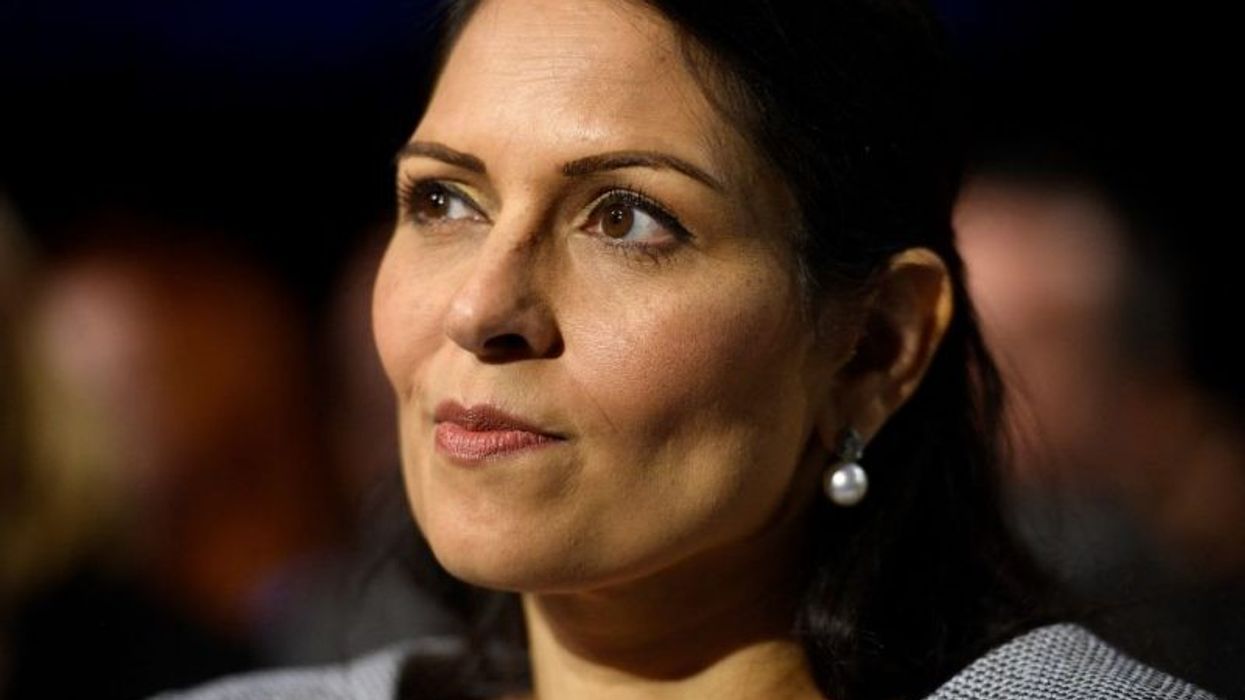
"Companies must continue to take responsibility for stopping harmful material on their platforms. These new measures will make it easier and quicker to crack down on offenders and hold social media companies to account," home secretary Priti Patel said on Friday (5).
The new legislation, known as the Online Safety Bill, will be enforced by communications regulator Ofcom, which will have the power to require British internet providers to block access to offending websites, as well as fine the websites' operators.
The draft bill was scrutinised by parliament committees in 2021 and is due to be put to parliament for a vote this year.
Other parts of the bill criminalise online threats of serious harm and messages intended to cause serious distress which the government said were hard to prosecute under existing laws banning menacing, grossly offensive or obscene communications.
Existing legislation banning the consensual exchange of sexual images online, messages which unintentionally cause harm, or cause offence but not harm, would be repealed.
"The criminal law should target those who specifically intend to cause harm, while allowing people to share contested and controversial ideas in good faith," said Penney Lewis, a law professor who advised on the changes.
(Reuters)