Skip to content
Search

Latest Stories

Submit Guest Post

UK Prime Minister Reassures Business Leaders Over Brexit

British prime minister Theresa May took pains on Friday (19) to reassure more than 130 British business leaders that her government would deliver frictionless trade with the European Union after Brexit.

May's conference call with representatives of firms ranging from the accounting firm EY to the retailer Tesco came after a summit in Brussels this week produced no tangible progress.


Her office said May acknowledged in her call that there were "a few significant issues that were still outstanding" in the Brexit talks.

London and Brussels cannot agree on how to keep the border between British-ruled Northern Ireland and EU-member Ireland open after Britain leaves the bloc in March.

The Downing Street statement said May "recognised the importance of these discussions for businesses, their supply chains and clients".

May "urged businesses not to lose sight of the prize that of a smooth trading relationship with the EU alongside the ability to seek new opportunities and open up new markets with trading partners around the world", her office said.

 Agence France-Presse

Add EasternEye As Your Trusted Source
preferred source on google news

More For You

HMRC AI chatbot tax rules

HMRC says proposed changes will modernise its powers to access digital tax records, but insists it will not routinely inspect people's private AI conversations

iStock

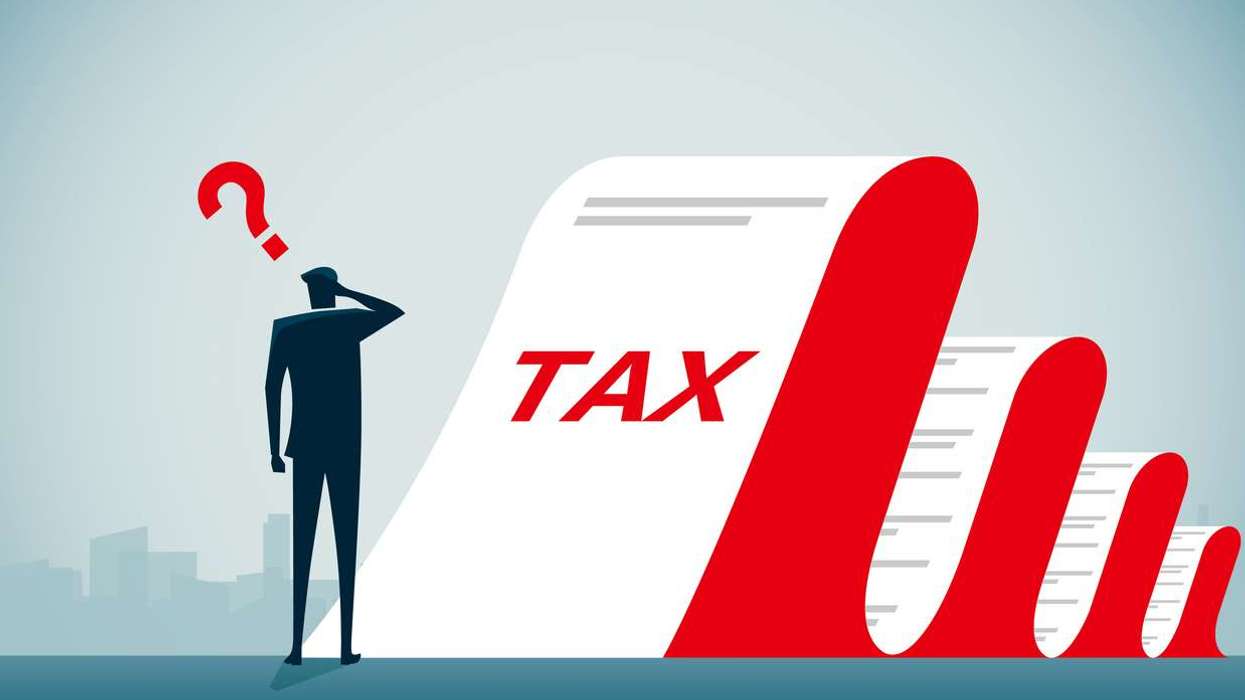
Your AI chatbot history could become part of a tax investigation. What is HMRC allowed to see?

  • Proposed legislation would allow HMRC to examine a wider range of digital information held by taxpayers and third parties
  • ChatGPT prompts and AI-generated working papers could be relevant if they form part of a tax calculation
  • HMRC says the changes do not give it blanket access to private chatbot histories

HM Revenue and Customs (HMRC) could seek access to AI chatbot conversations and digital records used to prepare tax calculations under proposed changes to its information-gathering powers.

The proposals would allow the tax authority to examine a wider range of information held by taxpayers, businesses and third-party providers, including software companies and platforms managing digital records.

Keep ReadingShow less