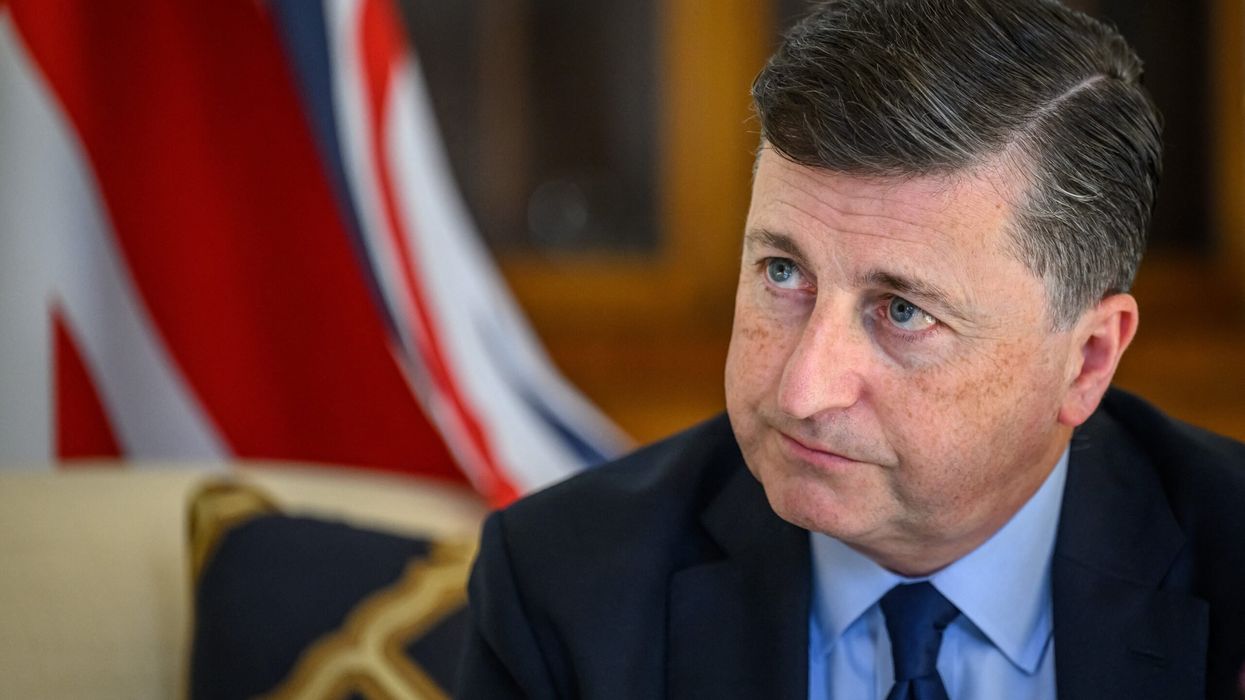

BRITAIN is urgently looking to reset its trading relationship with the European Union (EU) and sees international trade as a key factor in reviving its economic growth, trade minister Douglas Alexander told AFP.
Alexander noted that the 2016 Brexit vote had caused significant disruptions to the UK's trade policy, and there was now a need to refocus on a global trade strategy. He was in Geneva on Monday to meet with the head of the World Trade Organization (WTO) as part of developing a long-term UK trade strategy, set to be released in spring 2025.
"This being my first European visit highlights the strong commitment of the new government to the WTO and the multilateral trading system," said Alexander.
The Labour Party, led by Keir Starmer, came to power in July after defeating the Conservative Party, which had been in government for 14 years. Alexander added that Britain's political stability under the new government would help create an environment for economic progress, though he acknowledged it would not guarantee stability by itself.
"We are keen as a new government to reset our relationship with our friends and partners in the EU, while also pursuing free trade agreements and new opportunities in markets worldwide," he added.
Formulating a new trade strategy
Alexander emphasised the critical role of trade in achieving the Labour government's primary goal of economic growth. He described trade as one of the essential tools for fostering both economic and fiscal stability.
While Britain's economy grew by 0.5 per cent in the second quarter of 2024 after a brief recession late last year, Alexander stressed the impact of Brexit on trade. "The numbers remain tough when looking at the immediate post-Brexit trade consequences, but 47 per cent of the UK's trade is still with the EU, so there is an urgency to resetting our relationship," he said.
His visit to Geneva was, in part, an opportunity to gather insights on how the WTO could fit into the evolving UK trade strategy.
Since leaving the EU in 2020, the UK has been negotiating its trade agreements independently at the WTO. Alexander explained that the government had an ambitious agenda to pursue opportunities beyond the EU while simultaneously working to rebuild ties with the bloc. He also noted the importance of growing digital trade, given that 81 per cent of the UK economy is services-based.
Challenges in global trade
Alexander expressed his strong support for WTO director-general Ngozi Okonjo-Iweala, backing her bid for a second term when her current mandate ends in August. He praised her leadership, saying she had brought authority, credibility, and capability to the organisation, which is crucial to the UK's future trade plans.
Despite the WTO recently lowering its global goods trade growth forecast for 2025 from 3.3 per cent to 3 per cent, Alexander acknowledged that international trade had faced "significant headwinds" in recent years. However, he pointed out that global growth had still been slower than many had hoped.
(AFP)

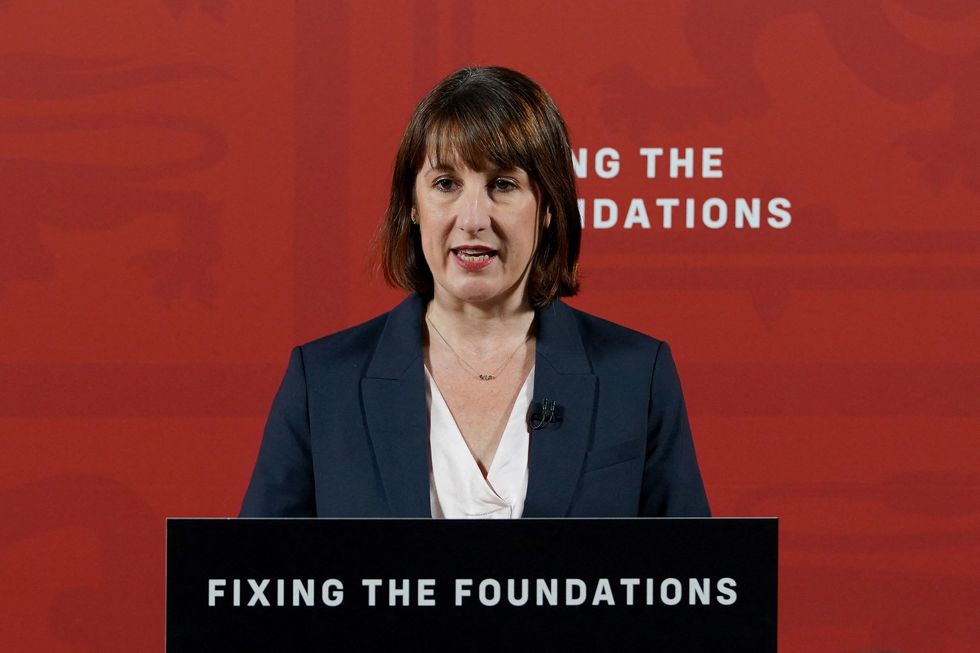 Chancellor Rachel Reeves has indicated that support measures are being considered POOL/AFP via Getty Images