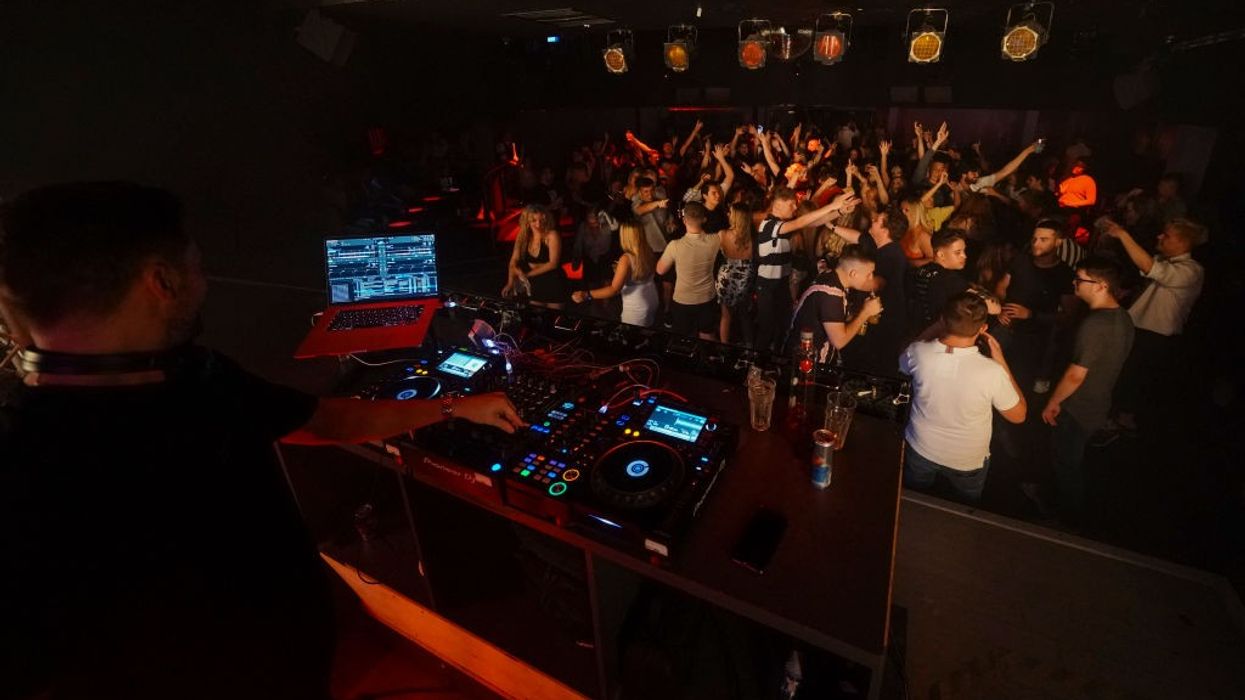

SOME 86,000 jobs have been lost in the UK's nightlife sector since 2019, an industry body said on Monday (11), blaming coronavirus closures.
The Night Time Industries Association (NTIA) said the sector accounted for 1.6 per cent of GDP in 2019, the equivalent of £36.4 billion and employed 425,000.
But it said there were "fears that many of the jobs lost to the pandemic in the night-time economy sector will be lost for good" because of closures and lower demand.
Nightclubs and casinos were among the last to reopen when coronavirus restrictions began to be eased in June.
Scotland and Wales are pushing ahead with a proof of vaccination records to allow entry into nightclubs but the UK government, which sets health policy in England, has opposed the move.
NTIA chief executive Michael Kill said the moves by the devolved administrations in Edinburgh and Cardiff were "chaotic".
"It is the worst possible time to introduce vaccine passports, which will further damage a sector essential to the economic recovery," he said.
Details of job losses in the industry come as several sectors, including hospitality and catering, complain of severe staff shortages hitting their recovery.
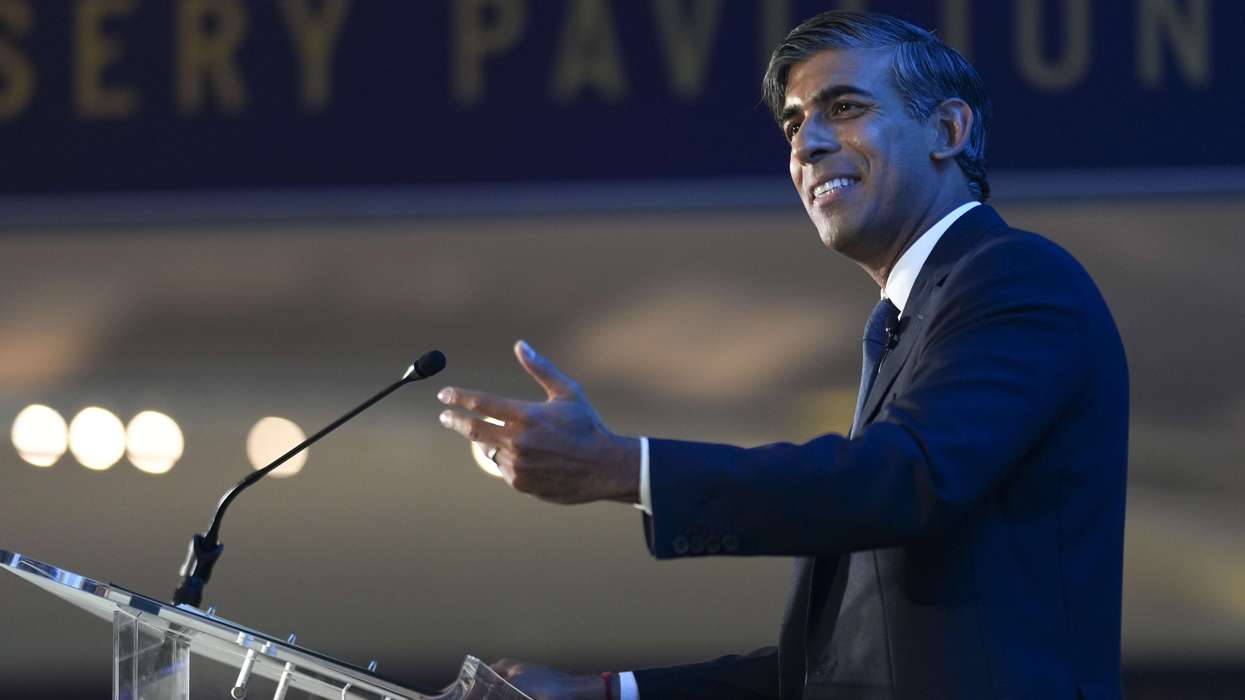
Kill said chancellor of exchequer Rishi Sunak should use his autumn budget statement to announce additional support for nightclubs, bars, casinos, festivals and their suppliers.
He called for the current 12.5 per cent rate of sales tax (VAT) on hospitality to remain until 2024.
Britain has been one of the worst affected countries by Covid 19, with nearly 138,000 deaths recorded since early last year.
A mass vaccination programme has seen 78.5 per cent of all those aged 12 and above receive two doses of a vaccine, helping to cut hospital admissions with severe Covid.
But infection rates are still high. Last week, the seven-day average number of positive cases was 37,255, according to government data.
(AFP)