
- National park homes cost 24% more on average than similar properties elsewhere.
- The New Forest is the UK's most expensive national park at £563,000.
- Surrey Hills tops national landscapes, with average prices of £710,000.
Living inside a national park comes with a hefty property premium, with the New Forest topping the list at an average £563,000.
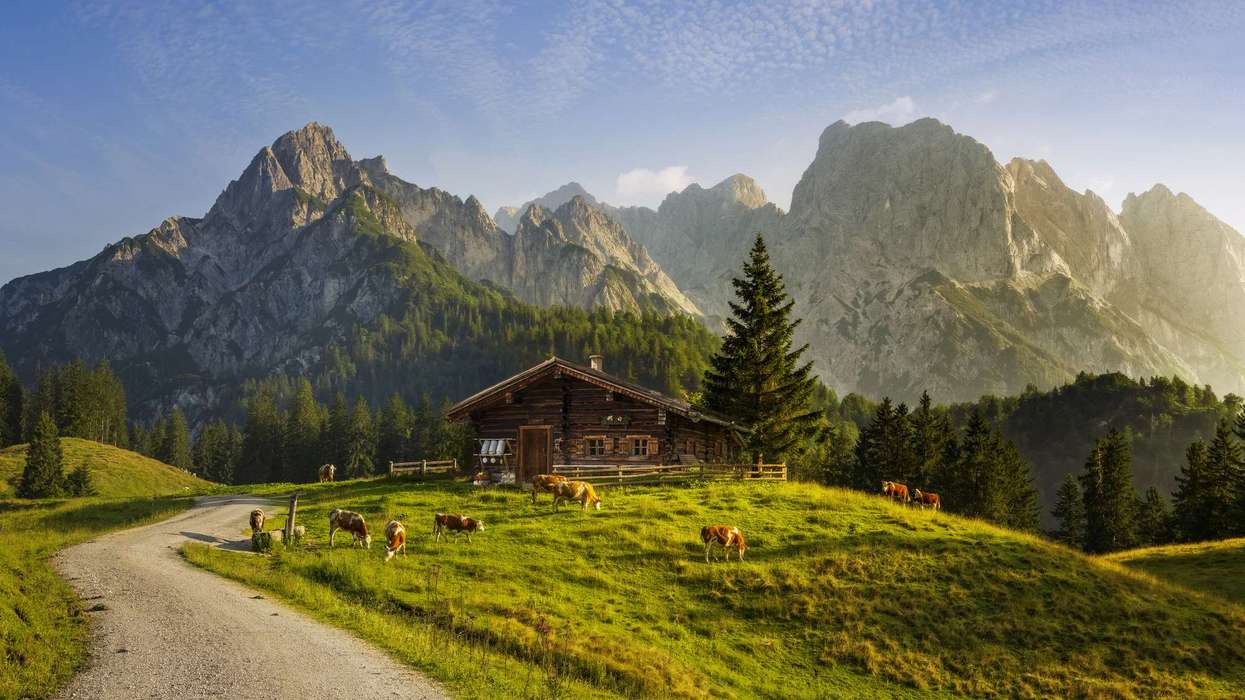
Housebuyers looking for a home surrounded by protected countryside are paying significantly more for the privilege. Properties inside UK national parks cost 24 per cent more on average than similar homes elsewhere, according to research by Nationwide Building Society.
Even living close to one comes at a price. Homes within three miles of a national park carry an average 6 per cent premium, suggesting buyers are willing to pay extra simply to be near protected countryside.
The New Forest is the most expensive of the UK's national parks, with the average property costing £563,000. It is followed by the South Downs at £485,000 and the Peak District at £450,000.
Paying for the countryside
The premium is not simply about having a scenic view from the window. Nationwide said the limited amount of development permitted within national parks also plays a part.
With fewer opportunities to build new homes, the supply of properties in these areas remains restricted. That can push prices higher when demand from buyers remains strong.
The attraction of the countryside itself is another factor. National parks offer access to open spaces, villages and rural landscapes, which can make properties in these locations particularly appealing to buyers looking for a different lifestyle.
The effect extends beyond national park boundaries. Properties in England and Wales' designated national landscapes, formerly known as areas of outstanding natural beauty, command a 14 per cent premium compared with similar homes elsewhere.
Surrey Hills is the most expensive national landscape in which to buy, with average property prices of £710,000. The protected landscape covers roughly a quarter of Surrey and includes villages and rural communities such as Shere, Mickleham and Westhumble.
The premiums have also proved relatively stable. Nationwide's comparable research in 2024 found that homes in national parks attracted a 25 per cent premium, while properties in national landscapes were 15 per cent more expensive.
That suggests the appeal of protected countryside has remained strong even as the wider housing market has changed.
For buyers, however, the numbers show that the dream of living closer to nature can come with a substantial extra cost — and in some of Britain's most sought-after rural locations, the postcode may be worth almost as much as the property itself.